

Blog
Tea Instead of Coffee? Why Americans Are Adding an Afternoon Cup

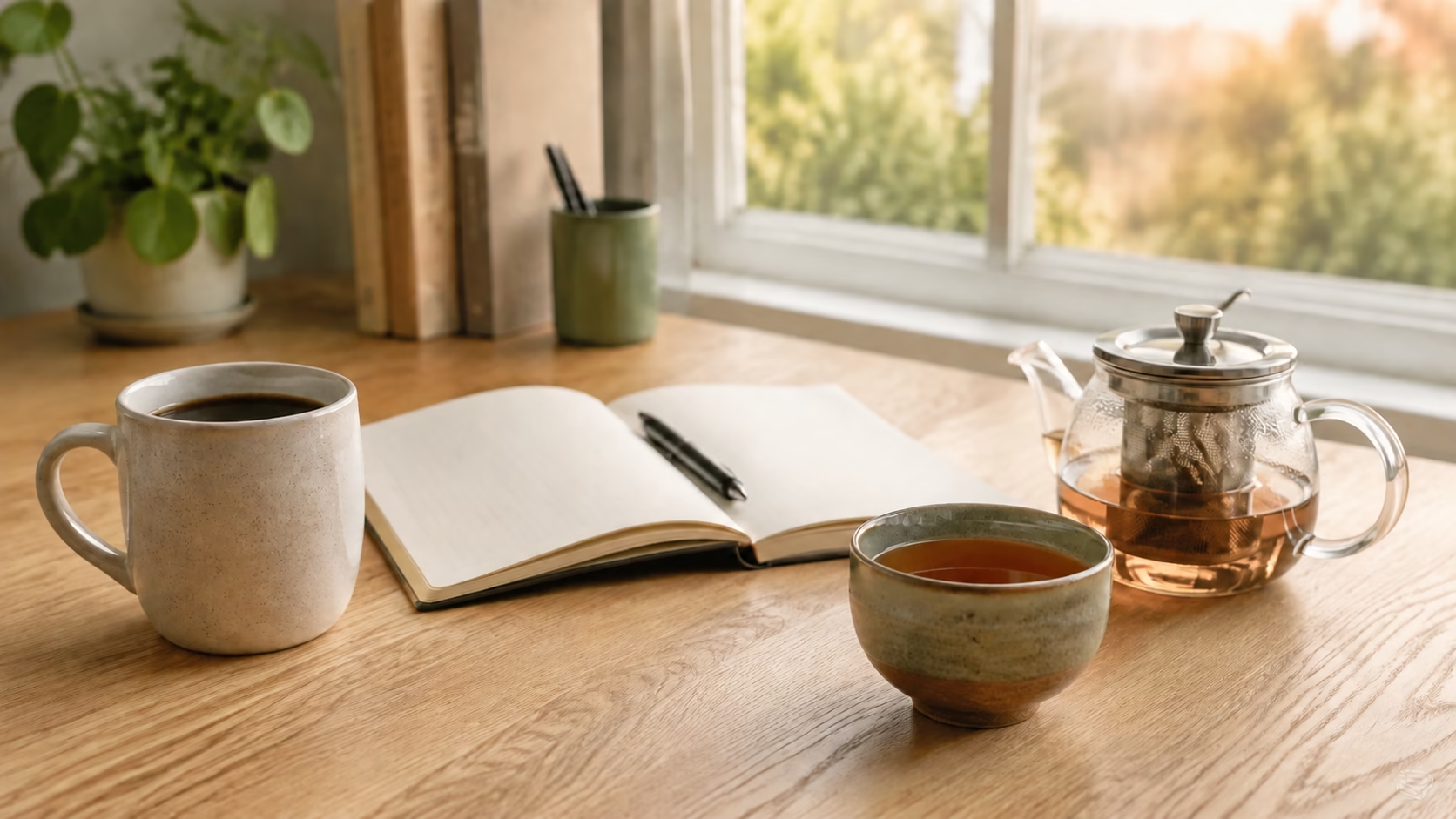
Coffee still owns the American morning. The smell of a fresh brew, the first cup before work, the stop at a familiar café—none of that has disappeared. For millions of people, coffee is less a beverage choice than the opening signal for the day.
What is changing is the next cup. At two or three in the afternoon, another coffee is no longer the automatic answer for everyone. A remote worker may whisk matcha between meetings. An office team may walk out for chai. Someone at home may put the kettle on and steep a loose-leaf oolong in the cup they always reach for.
This is where the question “Should I drink tea instead of coffee?” becomes more interesting than a simple comparison. Americans are not collectively quitting coffee, and tea has not won some national beverage contest. People are creating different drinks for different parts of the day. Coffee can start the morning; tea can give the afternoon its own shape.
Coffee Still Owns the Morning
Any honest account of American beverage culture has to begin with coffee’s strength. The National Coffee Association’s Spring 2026 National Coffee Data Trends report found that 66% of American adults had coffee in the past day and 73% in the past week. That translates to nearly 195 million adults drinking coffee in a typical week.
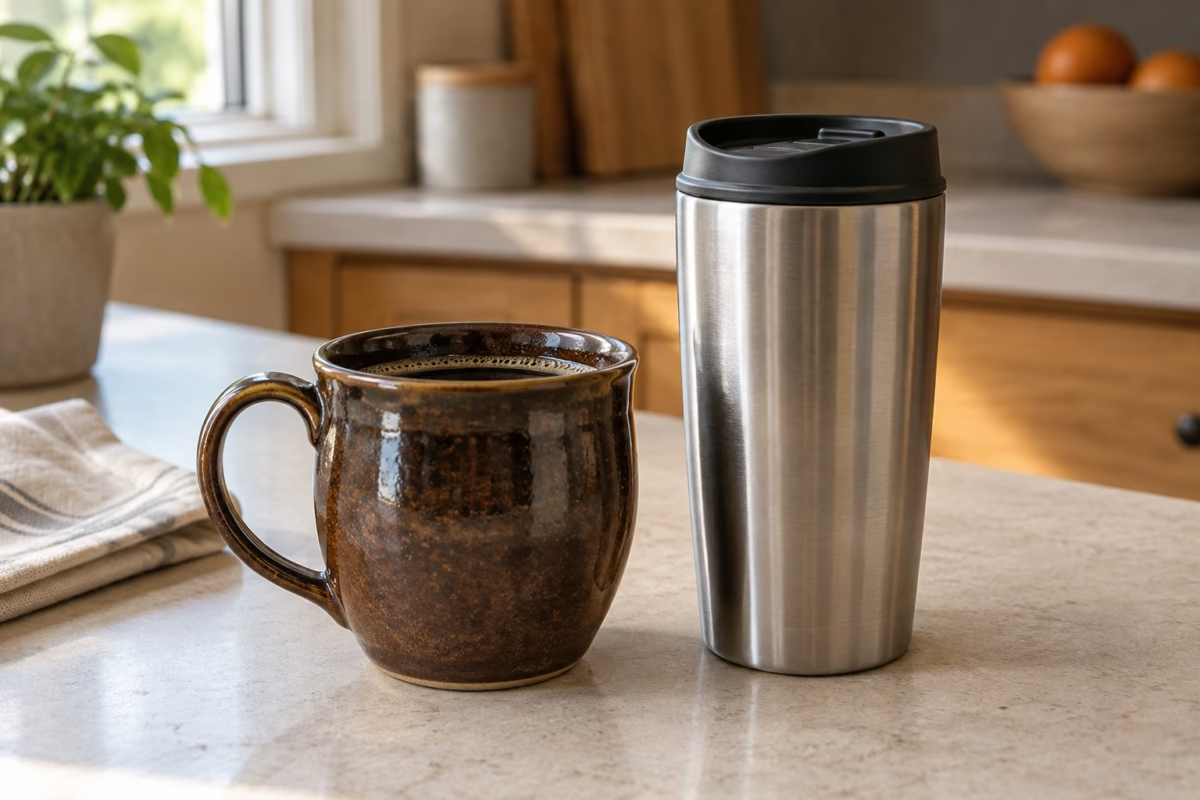
The timing is just as telling. Among past-day coffee drinkers in that survey, 86% drank it first thing in the morning. Preparing coffee at home also remained the norm. The mug beside the laptop, the travel cup in the car, and the first café order of the day are not fading traditions.
Quality matters too. In a separate 2026 specialty coffee report, the NCA and Specialty Coffee Association found that 47% of American adults had specialty coffee in the past day. Among adults ages 25 to 39, 69% had specialty coffee during the previous week. The survey uses a broad definition that includes espresso drinks, cold brew, and coffee consumers regard as made from premium beans. These figures describe an established appetite for choice, rather than only a small community of coffee connoisseurs.
That matters because curious coffee drinkers already understand that a drink can be both practical and expressive. They know the difference between grabbing caffeine and choosing a carefully made cup. As we explored in From Specialty Coffee to Tea Culture, the habits built around specialty coffee can make premium tea easier to appreciate. Tea enters an audience that already notices flavor, preparation, and the object in the hand.
The Afternoon Coffee Question Is Different
Morning coffee usually has a clear assignment: wake up, get moving, begin work. The afternoon drink is asked to do something more ambiguous. It may be fuel for the last two meetings, an excuse to leave the desk, a small reward after lunch, or ten quiet minutes before school pickup.
Coffee still belongs in that period. The same 2026 NCA research found that 22% of past-day coffee drinkers had coffee in the afternoon, and that time-of-day pattern was largely unchanged from 2022. There is no evidence here of a mass exit. But the afternoon is a more open occasion because the emotional job of the drink is different.
A second large coffee may feel exactly right on a deadline day. On another day, a person may want a smaller serving, a different flavor, or a preparation that marks a pause rather than another push. Some people are also paying closer attention to when they consume caffeine. That does not automatically make tea the “better” choice: caffeine varies widely among teas, serving sizes, and brewing methods. It simply makes the menu worth considering.
Food Business News reported in July 2026 that beverage companies increasingly see consumers choosing different drinks for different purposes across the day. This reporting helps explain the attention being paid to afternoon menus. It does not establish a nationwide increase in afternoon tea consumption; that broader claim would need data tracking tea drinking by time of day.
Why Tea Fits the Afternoon So Naturally
Tea offers range without requiring a dramatic identity change. A coffee drinker does not have to become a tea expert, buy rare leaves, or adopt a formal ceremony. The first step can be an iced black tea, a chai latte, a tea bag in an office mug, or a pot shared with a friend.
Preparation can also create a useful change of pace. Heating water, waiting for leaves to open, or whisking matcha introduces a beginning and an end. The process may take only a few minutes, yet it feels different from topping off a cup while staring at the same screen. That sense of punctuation is part of why tea rituals are finding a place in American homes.
Variety is another advantage. Tea can be grassy, floral, roasted, brisk, malty, smoky, spiced, or almost dessert-like. It can arrive hot, iced, straight, sweetened, or with milk. The afternoon does not need one official drink, and tea does not need to imitate coffee to earn a place there.
Tea also fits social pauses that are less hurried than the commuter coffee stop. A neighborhood tea bar, a café with matcha and chai, or a pot ordered for the table can extend a conversation. Our look at tea houses as American “third places” explores the settings that make this possible. A shared pot gives people something to return to while they talk, without another trip to the counter.
Matcha, Chai, and Loose-Leaf Tea Create Different Moments
Matcha brings café energy home
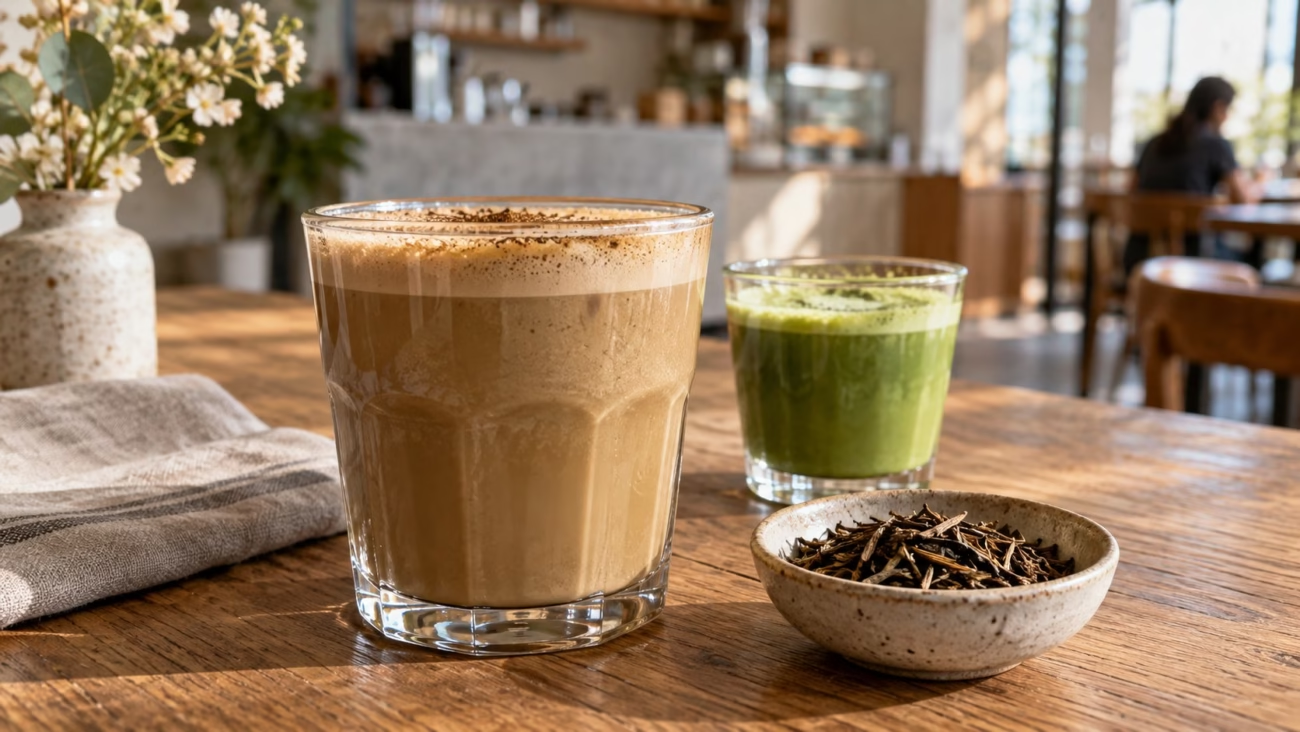
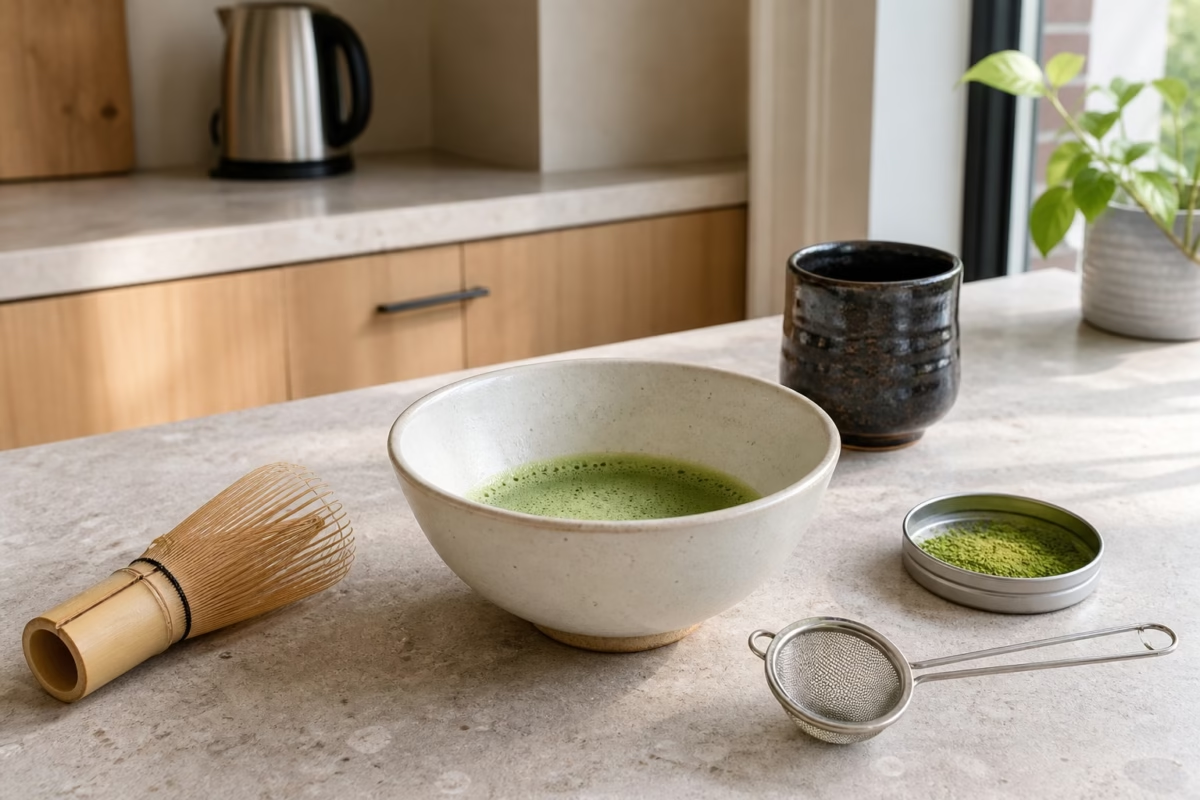
Matcha already speaks the visual and customizable language of modern café culture. It works iced or hot, with dairy or plant-based milk, plain or flavored. For a coffee drinker, its preparation can feel unfamiliar enough to be interesting while the latte format feels familiar enough to order without hesitation.
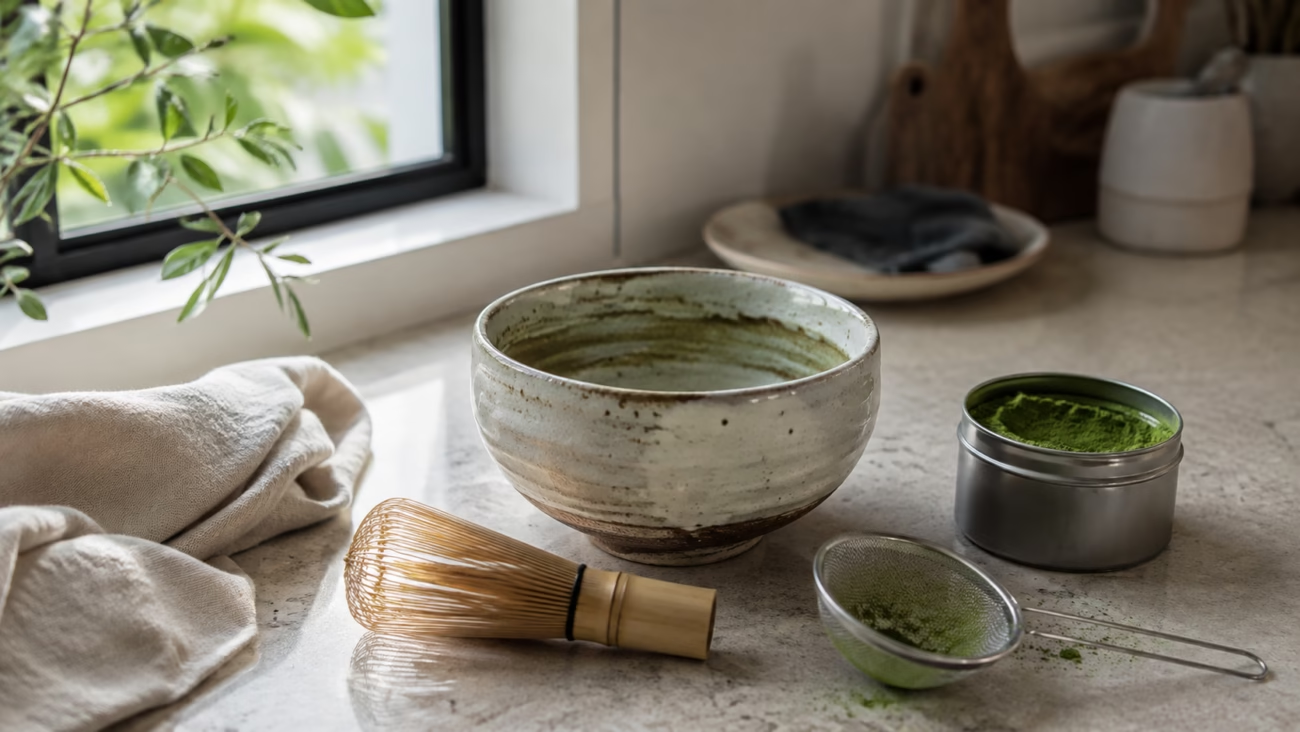
At home, whisking also gives the drink a distinct rhythm. It is a small project rather than a refill. Our Matcha at Home guide covers the practical preparation; the larger point here is that matcha can own an afternoon occasion without asking anyone to renounce espresso.
Chai makes the break feel warmer
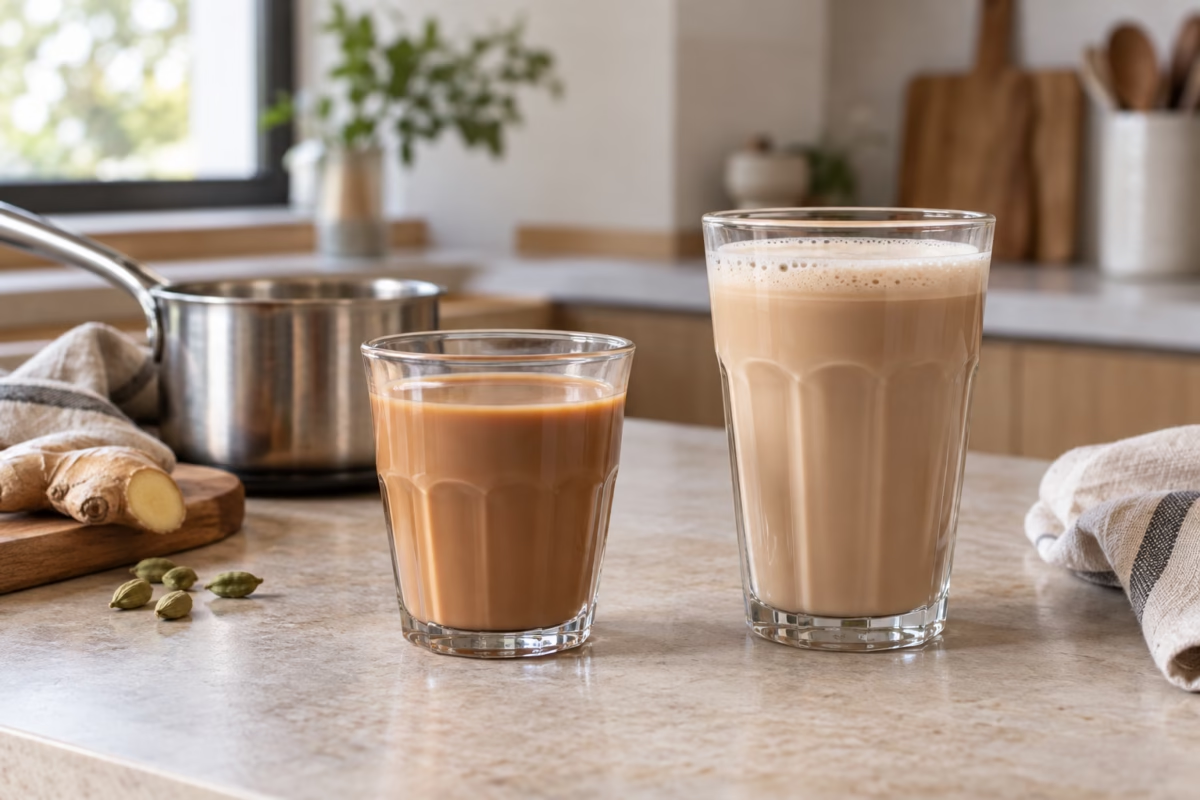
Chai often enters through comfort: aromatic spice, milk, sweetness, and warmth. In an American café, “chai” commonly means a spiced tea latte. Chai means tea in several South Asian languages; the spiced preparations often called masala chai vary between households and regions. A café concentrate represents one version of a much broader everyday tradition.
The appeal is experiential. A chai latte can feel more like a pause than a productivity tool. It suits cold weather, conversation, and the moment when another drink with roasted coffee flavors simply is not what someone wants.
Loose leaf rewards attention
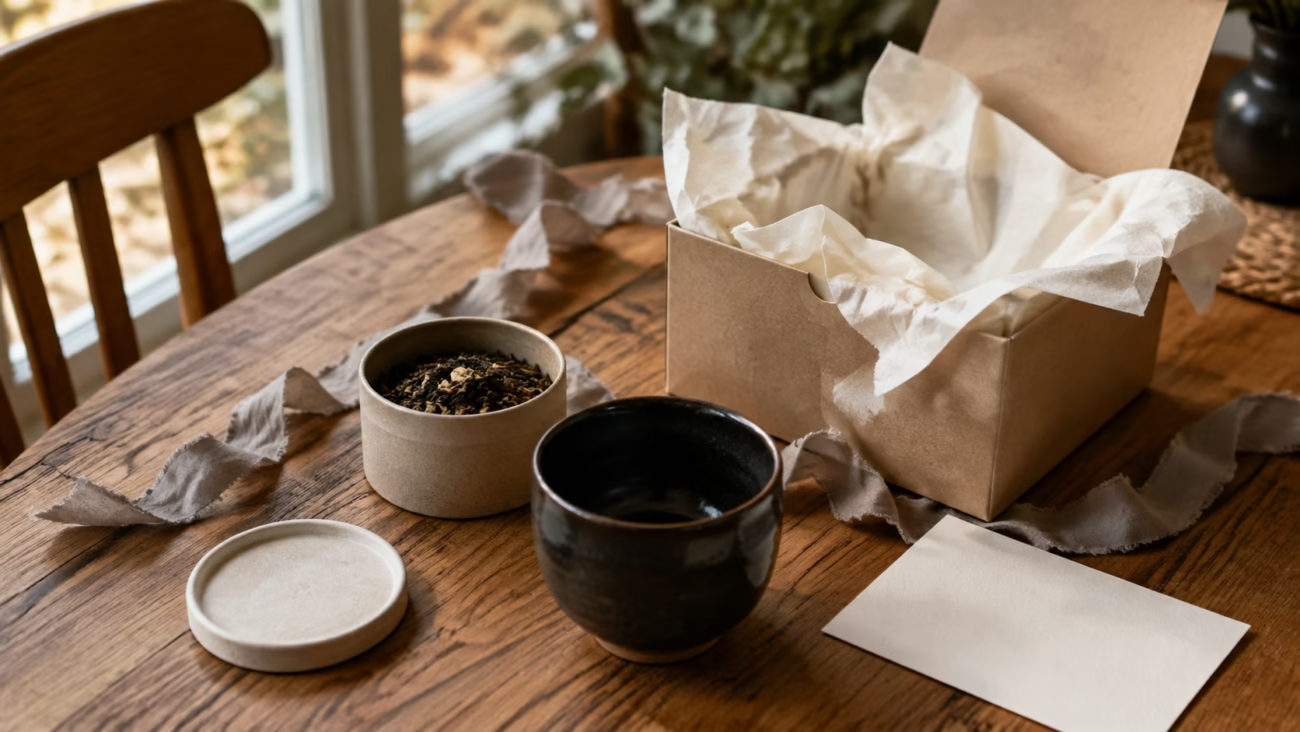
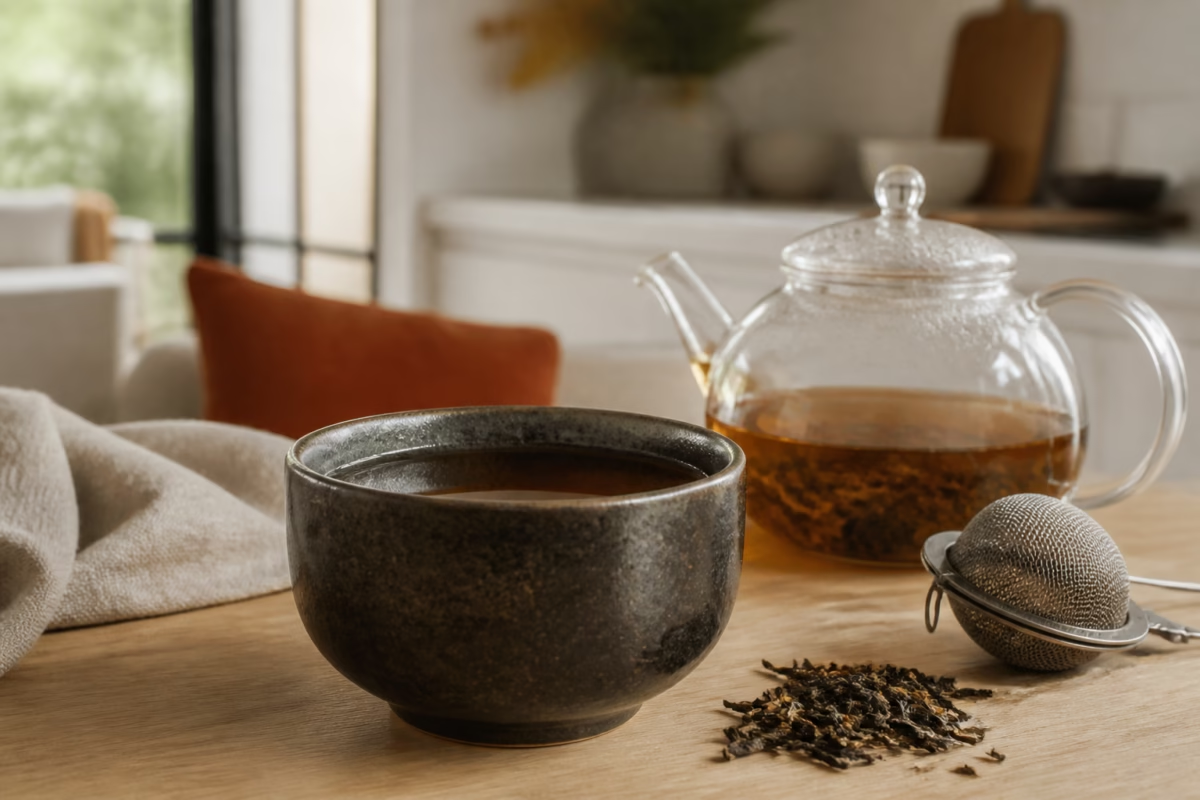
Loose-leaf tea offers the widest change of pace. The leaves, water temperature, vessel, and steeping time become visible decisions. That can sound demanding, but it can be as simple as one infuser and a dependable cup. Re-steeping the same leaves also creates several small servings instead of one oversized drink.
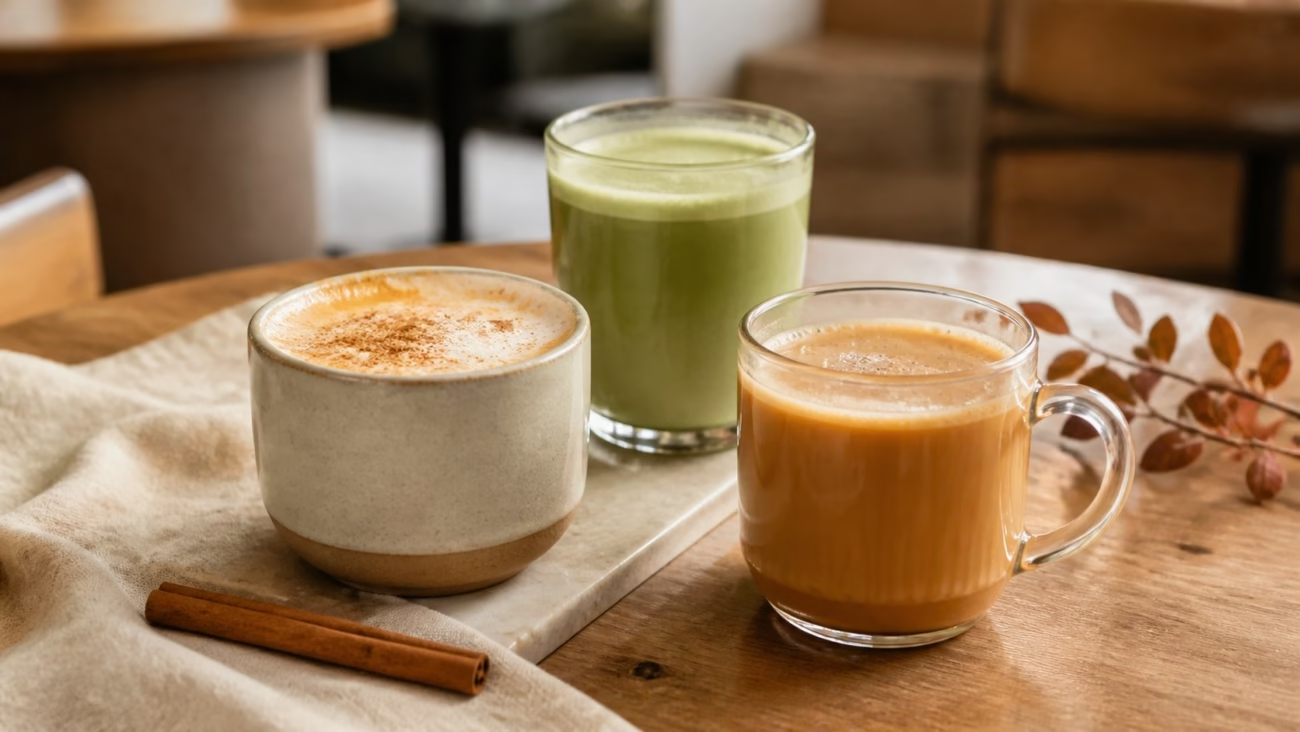
An iced matcha can accompany a walk, chai can anchor a conversation, and a few small steeps can stretch across an hour of reading. The useful distinction is how each drink fits the time available.
Starbucks Is One Example, Not the Whole Story
A large chain can make daypart changes easier to see. In May 2026, Starbucks said visits to its U.S. stores were increasing after 2 p.m., with the strongest gains between 3 and 5. The company pointed to a broad mix of matcha, chai, coffee, and Refreshers rather than to a single coffee replacement.
That is useful evidence of an afternoon opportunity, but it is still one company describing its own business. It should not be stretched into a claim that all Americans are changing in the same way. Independent cafés, tea houses, offices, and home kitchens have their own patterns.
The more durable observation is that customers expect choice. A café can be a morning coffee stop and an afternoon place for tea, a cold drink, a snack, or conversation. Beverage culture expands when the same person returns for a different reason.
The Rise of the Home Beverage Ritual
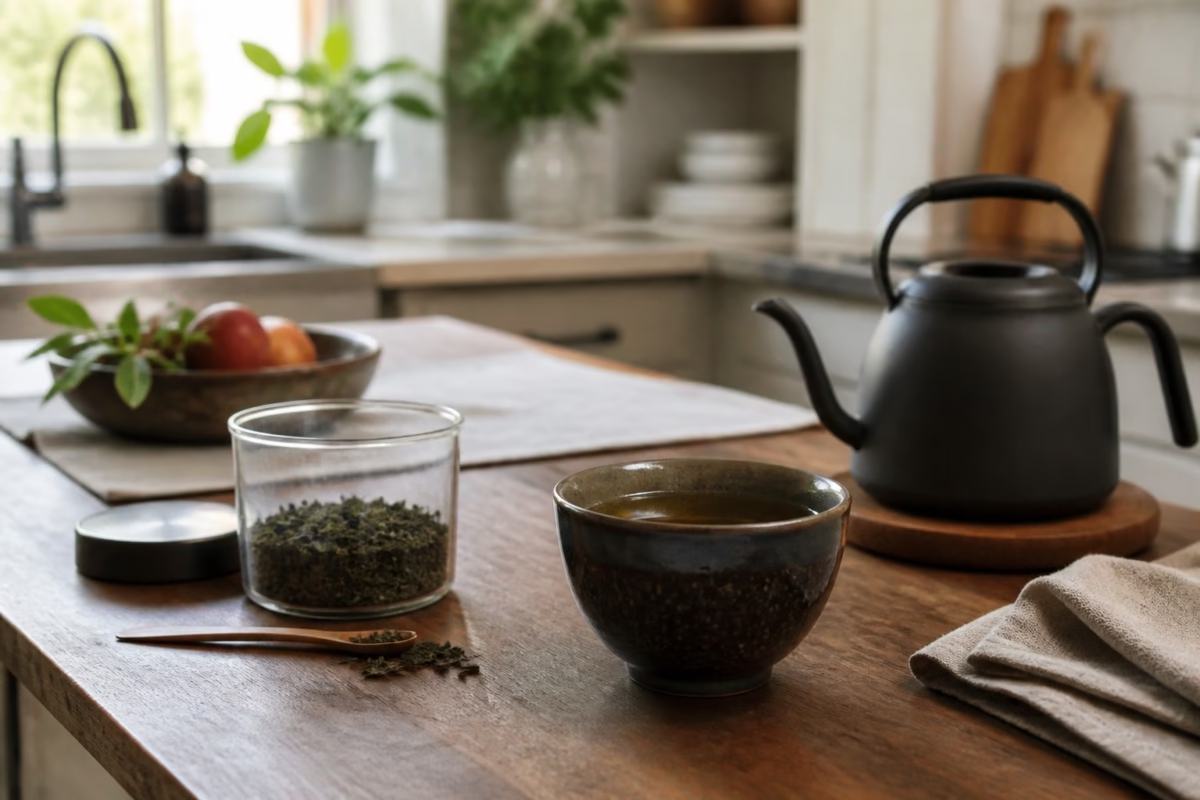
Coffee’s established place in the home gives tea a practical starting point. A kitchen with a kettle and a favorite mug already has most of what a simple steeped tea needs. For someone who enjoys making drinks, a tea shelf or matcha corner can sit alongside the coffee station, using the same counter and the same few minutes of attention.
At home, a drink can be adjusted without explaining it to a barista. Stronger or lighter, hot or iced, milk or no milk, one steep or three—the routine becomes personal. A remote worker can move from an early pour-over to a pot of green tea without leaving the house. Two housemates might keep their separate breakfast routines and share chai when their schedules overlap in the afternoon.
The objects around those drinks begin to carry memory. The kettle’s click means it is time to stand up. A tray gathers the clutter into a deliberate place. A favorite cup signals that work is slowing down. None of these items is mandatory, and a beautiful beverage station does not guarantee a meaningful ritual. The ritual is the repeated use, not the photograph of the setup.
A Better Question Than Coffee vs. Tea
“Which is better?” is irresistible and mostly unhelpful. Coffee and tea differ in flavor, preparation, caffeine, and cultural meaning, but people do not experience beverages as a laboratory comparison. They experience them at 8 a.m. before a commute, at 11 during a conversation, or at 3:15 when the day needs a reset.
The more realistic future is coffee and tea. Coffee at eight. Black tea after lunch. Matcha on a weekend afternoon. Chai when the weather turns cool. Herbal tea at night. The pattern can change with the season, the workload, or simple appetite.
This also removes the pressure to perform a new identity. Choosing tea instead of coffee for one afternoon does not make someone disloyal to coffee culture. Keeping coffee does not make their interest in tea superficial. Curiosity is enough.
If you want to try tea instead of coffee in the afternoon, start with the part of your usual order you enjoy. Milk and spice may point toward chai; brisk flavor may make black tea a comfortable starting place. If reducing caffeine is the purpose, check the specific drink and serving size. Matcha and strong brewed tea are not automatically low-caffeine options.
Why the Cup Starts to Matter Once Tea Becomes a Habit
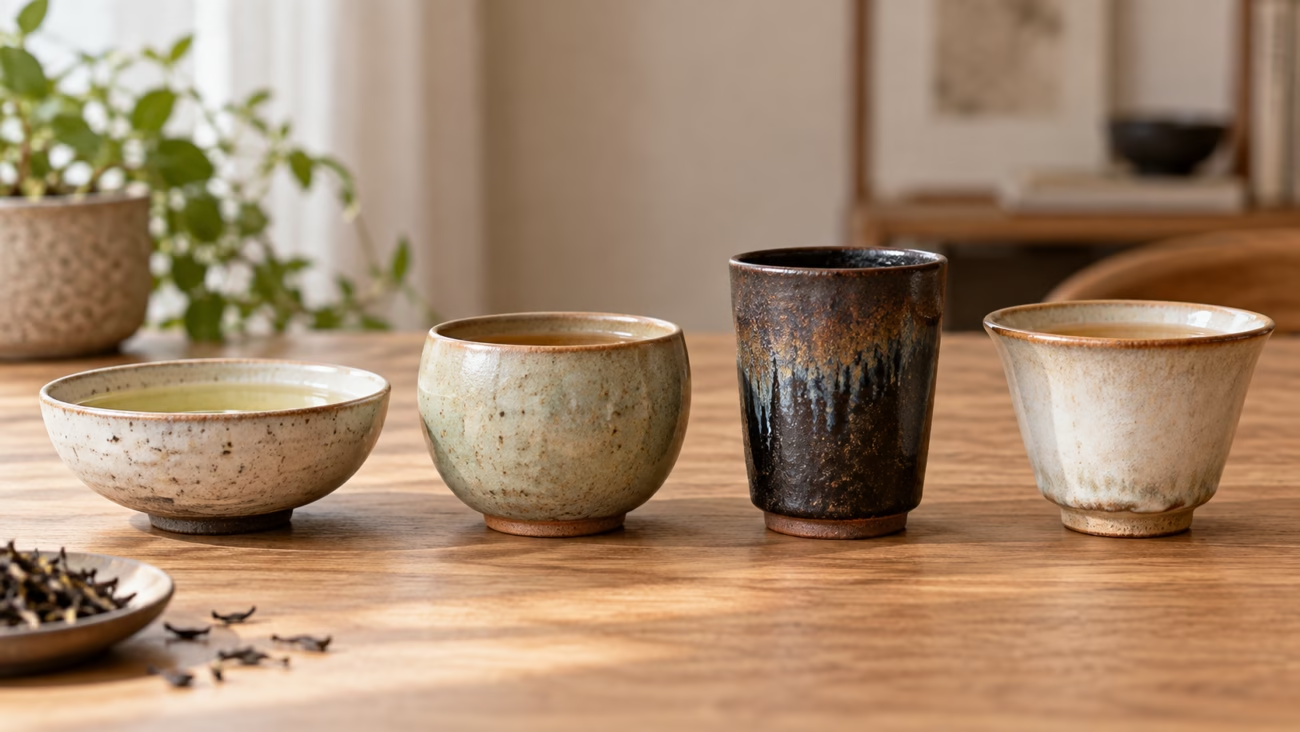
When tea is occasional, almost any heat-safe cup works. Once it becomes a repeated afternoon ritual, small differences become easier to notice: whether the rim feels comfortable, whether the cup is too large for several steeps, whether the handle suits the way you drink, and whether the weight feels steady at the desk.
Those are practical preferences, not universal rules. Someone making a large chai latte may want a handled mug. Someone brewing loose leaves in short steeps may prefer a smaller cup. The guide to choosing a tea cup for loose-leaf tea looks at those decisions without pretending one vessel fits everyone.
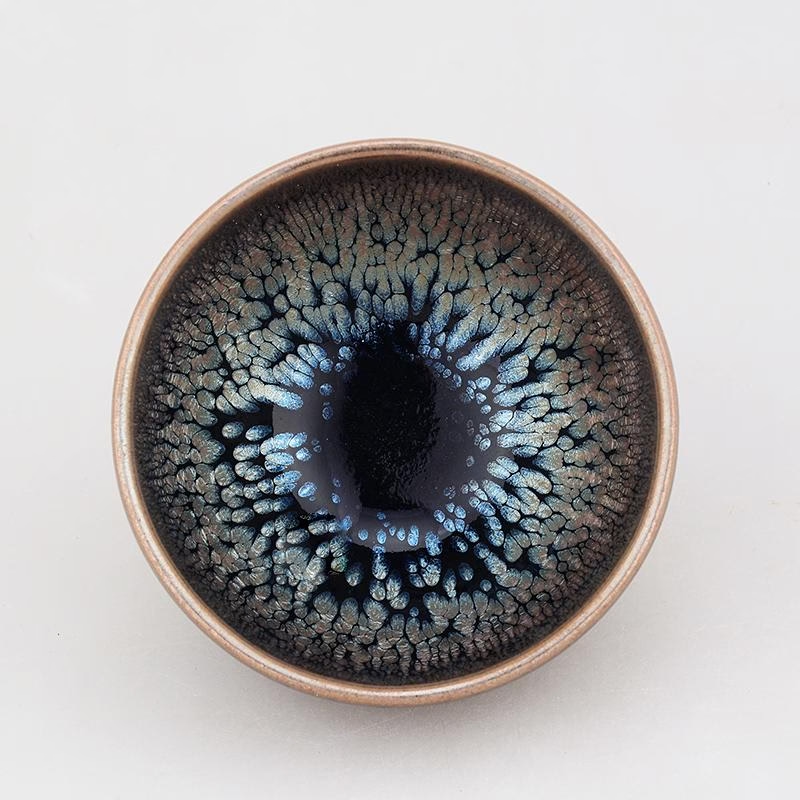
Handmade ceramics add another layer: texture, glaze variation, evidence of the maker’s hand, and the pleasure of using an object that is not perfectly uniform. Jianzhan is one example. It is a ceramic tradition associated with Jianyang in Fujian, China, known today for distinctive iron-rich glazes and individual kiln variation. It is not required for afternoon tea, and it is not a replacement for every mug. For readers who want the cultural background, our guide explains what a Jianzhan tea cup is in more detail.
The honest sequence is simple: first build a drink routine you enjoy. Then notice what would make it easier or more satisfying. A cup can deepen a habit, but it cannot create one on its own.
The Afternoon Has Room for Another Ritual
The next afternoon drink need not become a new household rule. It might be something you make on days with fewer meetings, or an order you save for catching up with a friend.
Tea’s opportunity does not depend on weakening coffee. It comes from the fact that one day contains more than one beverage moment. The afternoon can ask for a different flavor, a different pace, or simply a reason to leave the screen for a few minutes.
So if you are wondering whether to try tea instead of coffee, do not treat it as a permanent switch. Try it as an additional ritual. Keep the morning cup you love. Then give one afternoon to matcha, chai, black tea, green tea, or loose leaves and see whether that moment earns a place of its own.



2 thoughts on “Tea Instead of Coffee? Why Americans Are Adding an Afternoon Cup”