

Blog
Why Tea Rituals Are Becoming Popular in America: The Rise of Handmade Jianzhan Cups

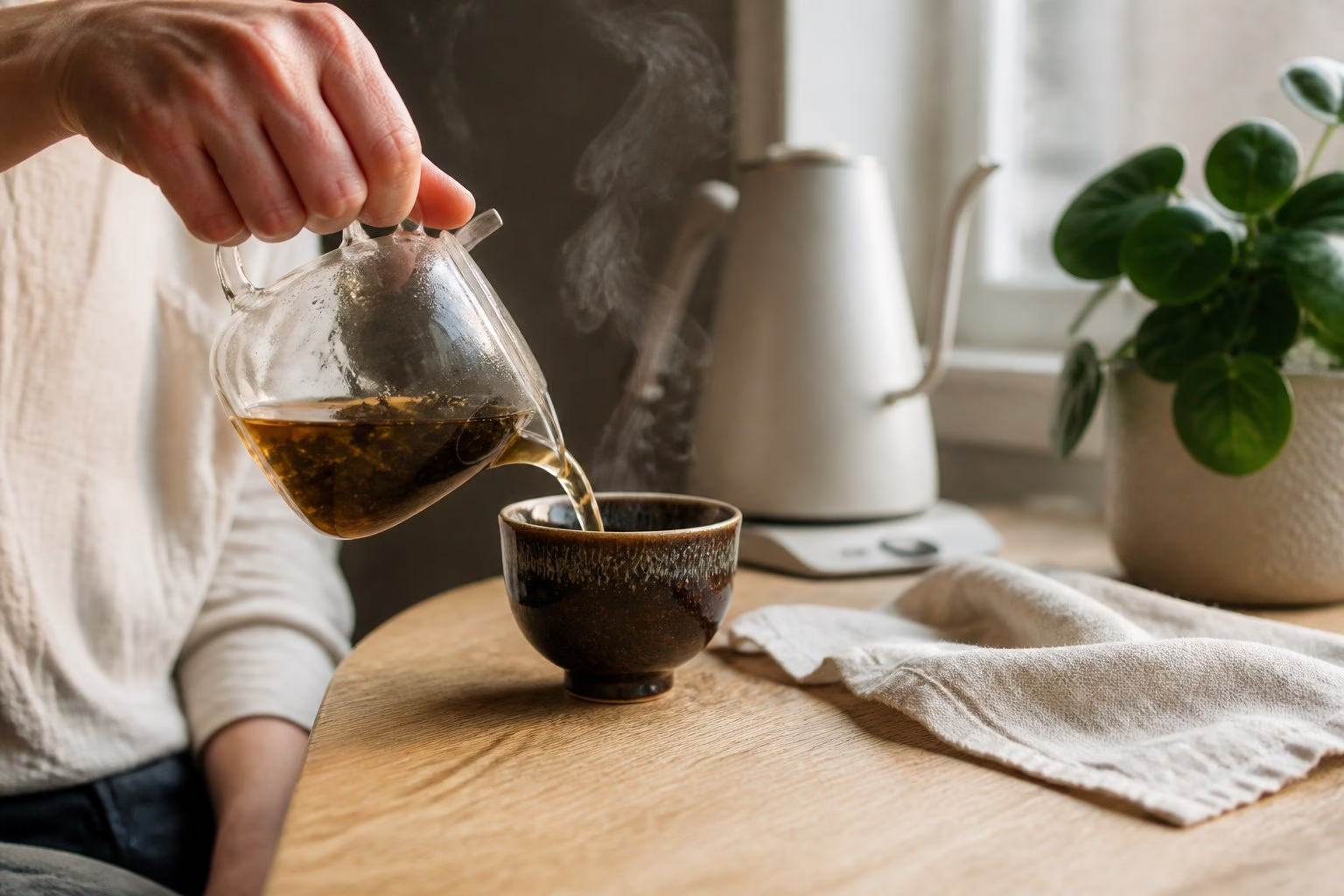
Most American mornings do not lack beverages. They lack space.
The phone is awake before breakfast. Coffee is brewed during email, carried into the car, or left cooling beside a laptop. By afternoon, even a break can become another chance to clear notifications.
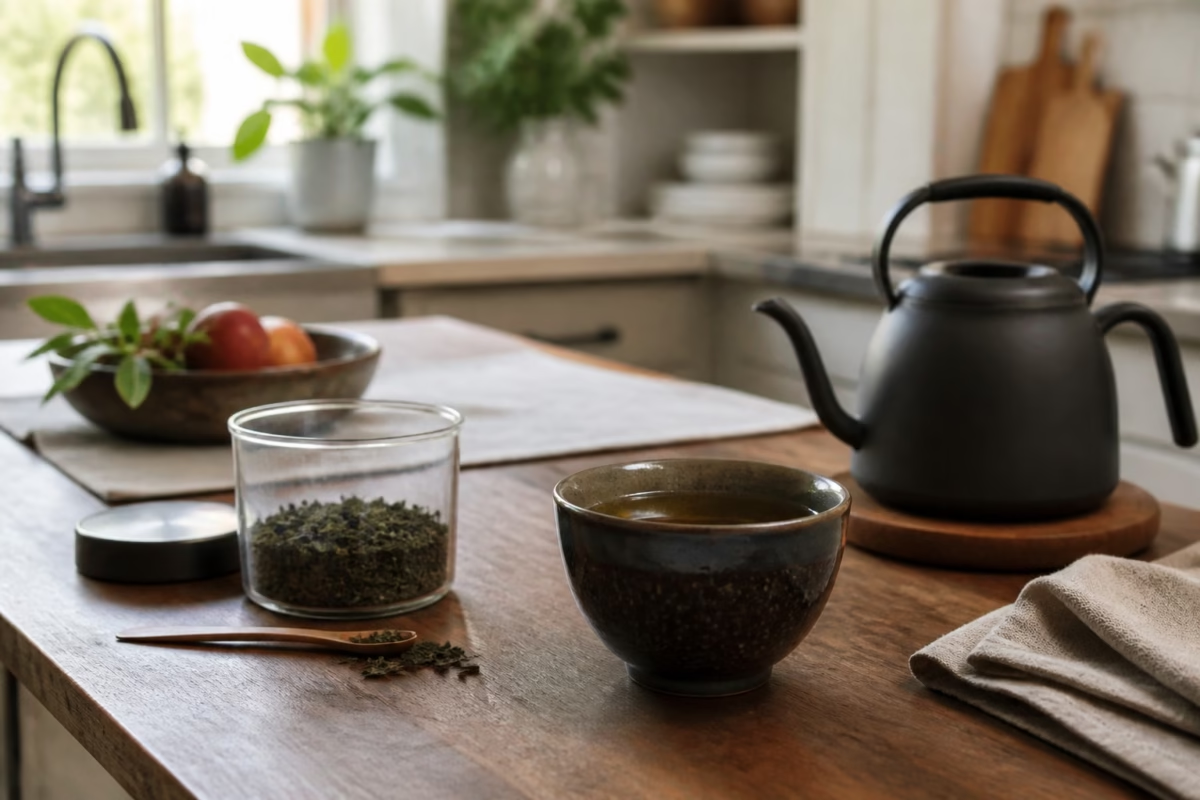
That may be why a different kind of drink moment is finding its way into ordinary homes. For one person, it is matcha whisked before the first meeting. For another, it is loose leaf tea steeping beside a desk or a dark oolong poured after dinner. The drink matters, but so does the pause around it: heating water, measuring leaves, choosing a cup, and waiting without reaching for a screen.
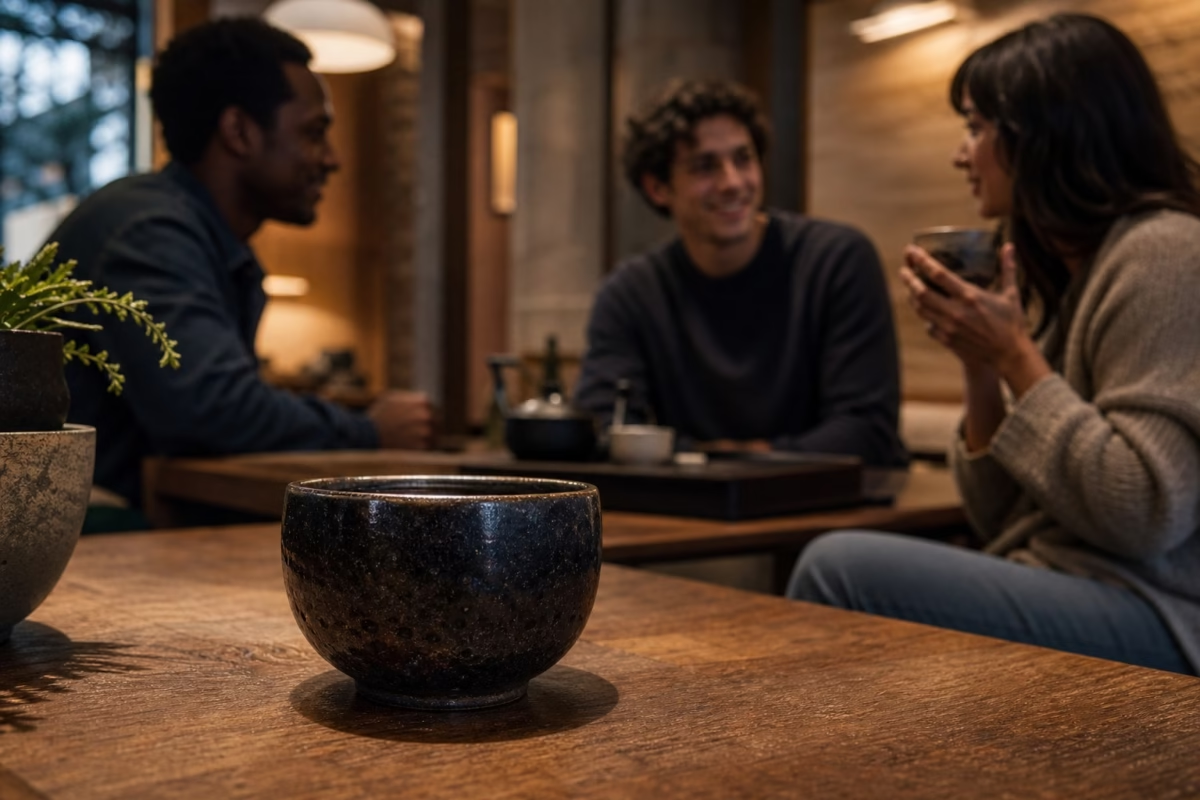
Coffee can be a ritual too. The difference is not coffee versus tea, or speed versus virtue. Many ways of making tea build a short wait into the process. Once that waiting begins to feel valuable, the cup is no longer invisible. Its weight, surface, and story become part of the experience—and that is where a handmade Jianzhan tea cup starts to make sense in a modern American kitchen.
Tea Is Becoming More Than Just a Beverage in America
Tea is not new to America. Sweet tea, iced tea, and the dependable tea bag have been part of daily life for generations. What feels newer is the curiosity surrounding the drink.
Matcha has moved well beyond specialist counters. It appears in neighborhood cafés, home kitchens, and the menus of national coffee chains. Loose leaf tea drinkers are paying closer attention to origin, harvest, aroma, and the way the same leaves change over several infusions. Modern tea shops offer flights, seasonal blends, and brewing guidance that turn an order into an experience rather than a simple handoff.
Industry reporting reflects the same shift. In its 2024 state-of-the-industry report, the Tea Association of the USA noted continued specialty-tea growth and strong interest among Millennials and Gen Z in varied origins, types, and flavors. It also reported interest in how tea is harvested and made. Coffee remains the default for many people, while tea now occupies some of the cultural space specialty coffee opened.
Coffee taught many Americans to care about beans, roast, water, grind, and brewing tools. Tea invites a similar kind of attention: leaf style, temperature, steep time, teapot, cup, and setting. Online, the matcha lifestyle often appears through bright tools and photogenic café drinks. The quieter version may matter more—a person learning to make one drink well because the process itself feels good.
Convenience still has a place. A tea bag in a travel mug can be exactly right on a crowded morning. On some days, though, preparation is part of the pleasure.
Why Slow Living Is Changing the Way People Enjoy Everyday Drinks
Slow living is easy to mistake for an aesthetic: an immaculate kitchen, an open calendar, and sunlight arriving on command. Most lives do not look like that. A more useful definition is choosing where to place your attention, even when time is limited.
A tea ritual can take five minutes. Water has to heat. Leaves have to steep. Matcha has to be measured and whisked. Those modest steps form a boundary between one part of the day and the next. Repeated often enough, they become a cue: this is the moment I step away from work, or this is how I let the evening begin.
There is good reason for the preparation itself to feel meaningful. In a series of experiments published in Psychological Science, people who performed a small ritual before eating or drinking reported greater involvement and enjoyment than people who did not. The finding is not that tea is therapy, or that a ritual removes stress. It is simpler: personally taking part in a repeated sequence can make an experience easier to notice and savor.
The objects around that sequence help set its tone. A kettle that pours cleanly removes friction. A tray gives the moment a boundary. A cup that feels good in the hand signals that this drink is worth sitting down for. AEROVYNX’s article on why tea can feel different when you slow down looks more closely at that relationship between attention and taste.
None of this requires a formal ceremony or a cabinet full of equipment. One tea, one reliable way to brew it, and one cup you enjoy using are enough.
Why Handmade Ceramic Cups Feel Different From Mass-Produced Drinkware
Mass-produced cups do many things well. They are affordable, consistent, stackable, and easy to replace. Some are engineered for dishwashers, microwaves, and hectic family kitchens. Handmade does not automatically mean more durable, more practical, or better for every person.
Its value lies elsewhere.
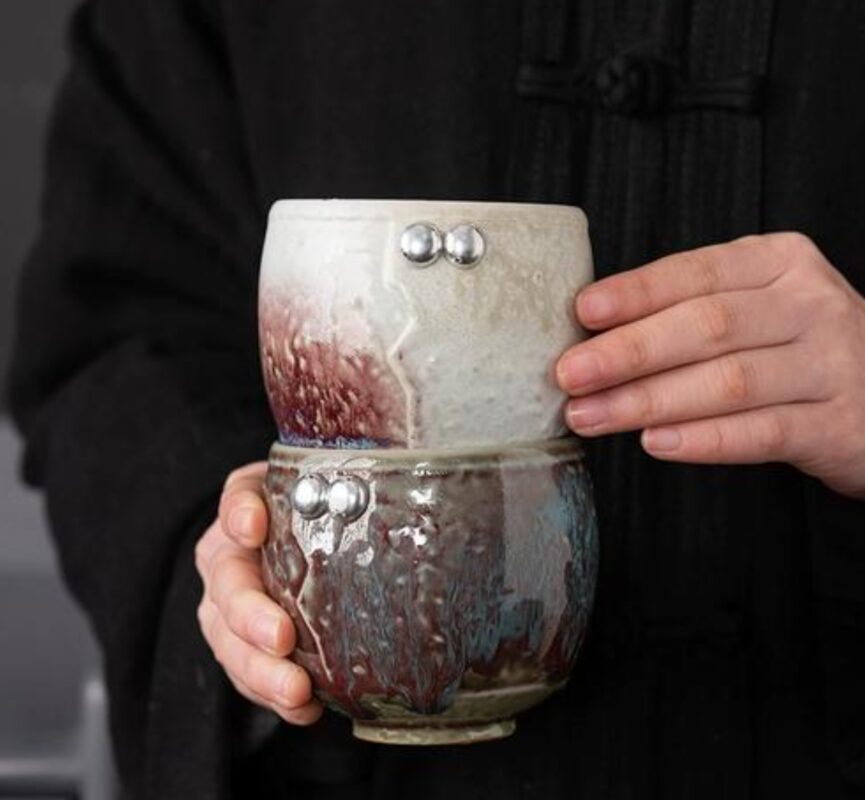
A handmade ceramic cup may carry faint evidence of how it was formed: a trimming line near the foot, a small variation in the rim, or glaze that gathers more deeply along one curve. These details interrupt perfect uniformity. They remind you that clay moved through a maker’s hands and then through a kiln that cannot be controlled like a printer.
That character appeals to people who want useful household objects to feel less anonymous. The attraction is not necessarily nostalgia. Handmade ceramics can sit comfortably beside an electric kettle, a stainless-steel infuser, or a bag of coffee from a neighborhood roaster. Fired clay simply brings material texture into routines that can otherwise feel standardized.
There is a sensory difference too, although it is personal rather than universal. The thickness of the rim, the balance of the foot, the warmth against the palms, and the resistance of a textured glaze all affect how a cup feels. One person may love the grounded presence of stoneware; another may prefer thin porcelain with a handle. Neither preference is more sophisticated.
For a deeper look at why maker marks and material variation can feel emotionally valuable, read Why Handmade Tea Cups Feel More Luxurious Than Modern Drinkware. Some people simply value evidence of a human process as much as perfect consistency.
What Makes Jianzhan Tea Cups Unique?
This is where Jianzhan becomes relevant: it brings together everyday use, ceramic craft, and visual individuality.
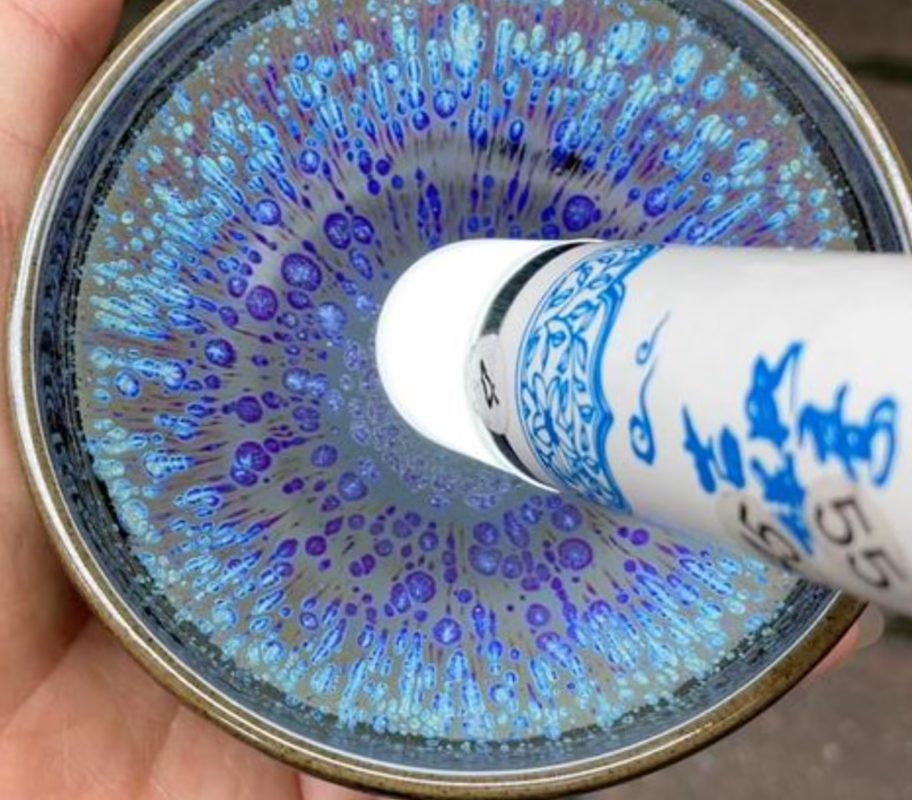
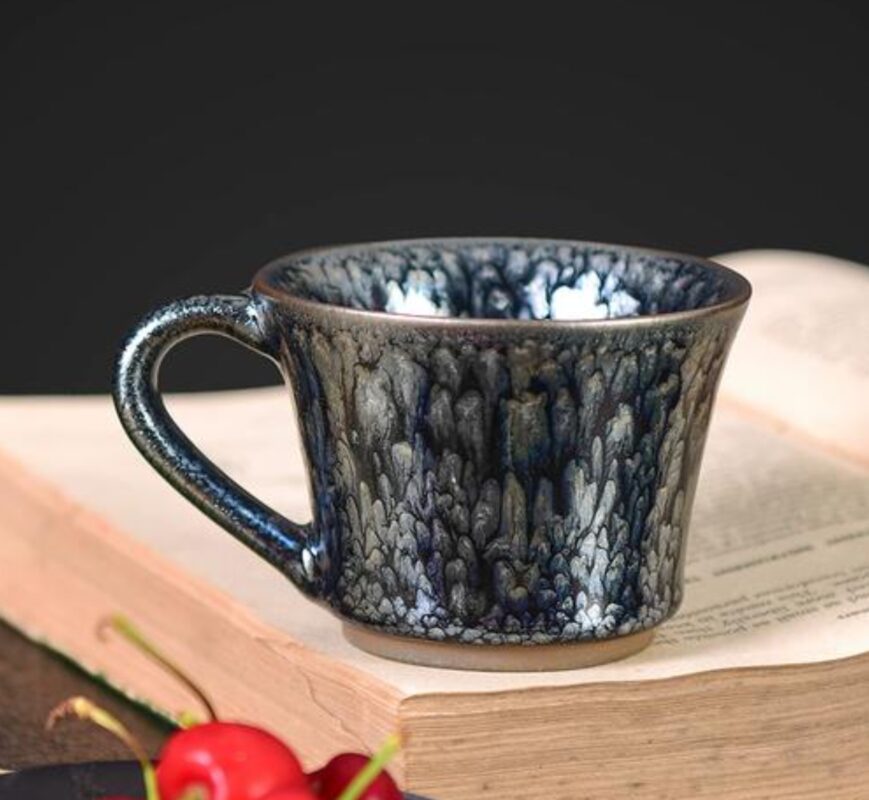
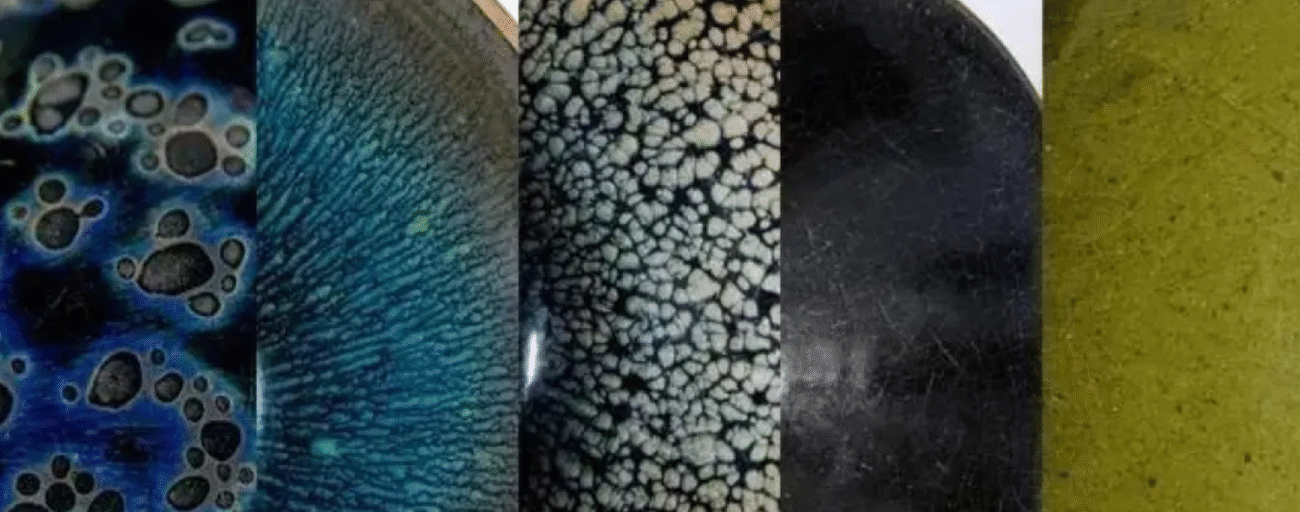
The name refers to tea bowls and cups rooted in the Jian ware tradition of Jianyang, in China’s Fujian Province. Jian tea bowls became especially prominent during the Song dynasty, when powdered tea was whisked into a pale foam. Their dark surfaces offered a striking background for the tea, while their iron-bearing glazes developed markings that came to be described as “hare’s fur” and “oil spot.” Historical examples in The Metropolitan Museum of Art and the British Museum document both the Fujian origin and these characteristic glaze effects.
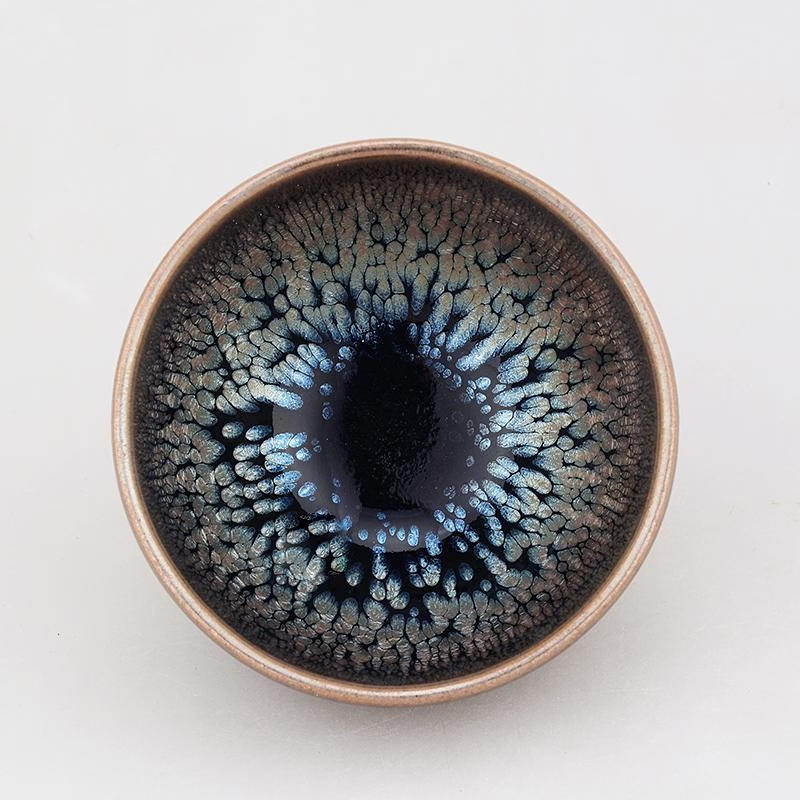
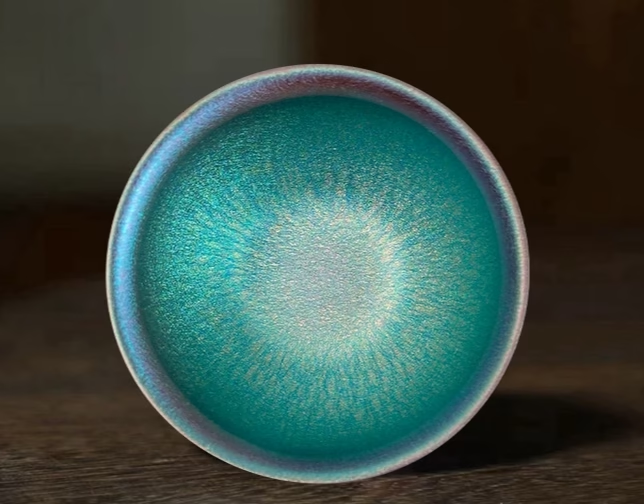
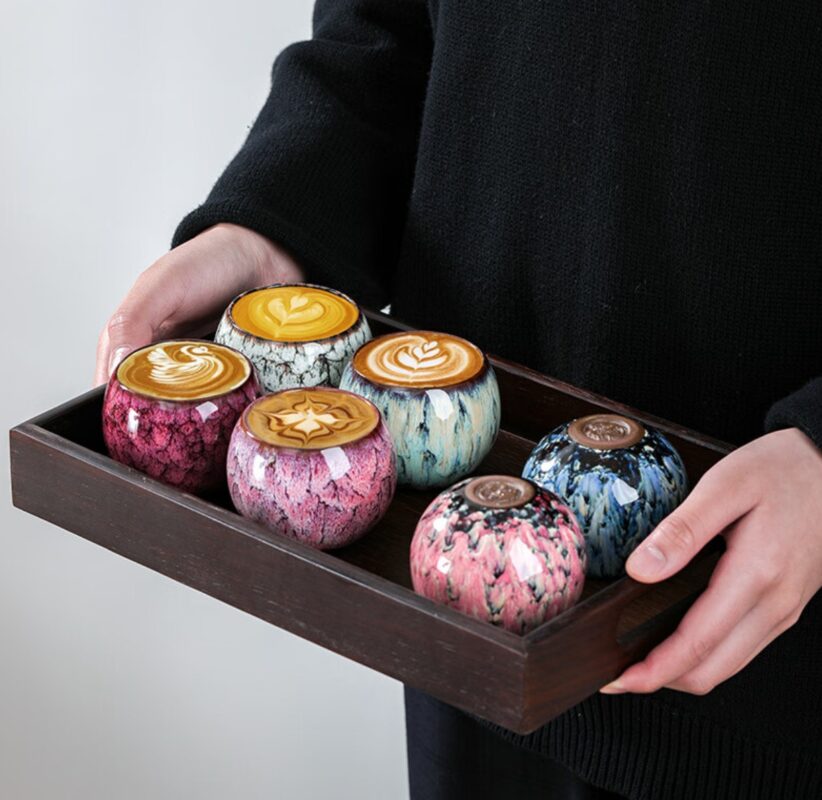
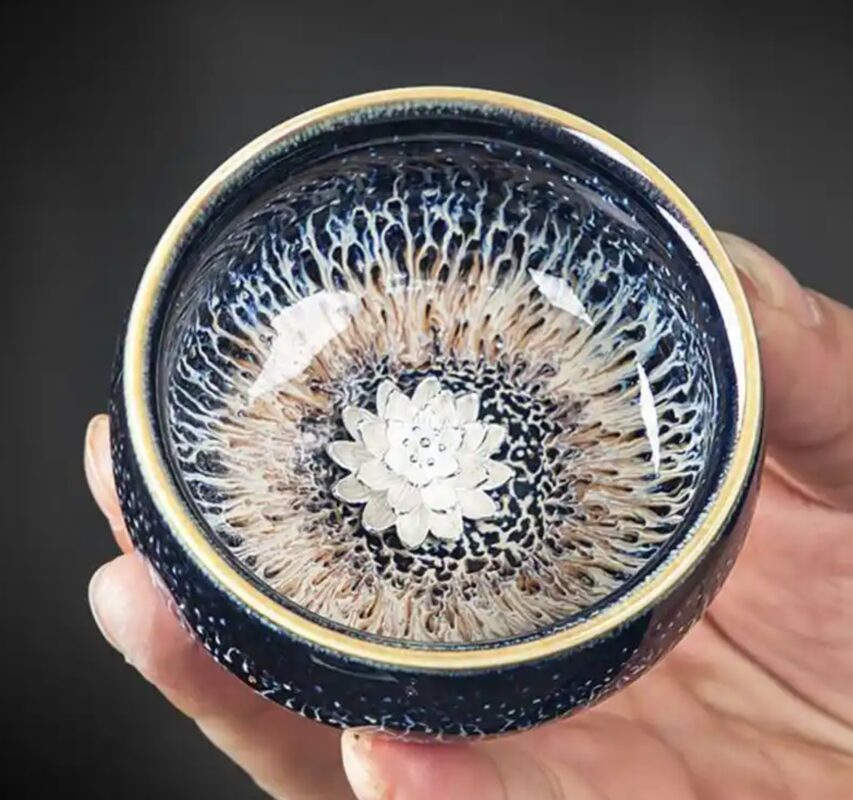
Contemporary Jianzhan is a revival of that Song-era ceramic tradition. Traditional-style production starts with an iron-rich clay body. A handmade Jianzhan tea cup is then individually formed, refined, glazed, and fired. During firing and cooling, iron in the glaze can separate and crystallize into streaks, spots, and reflective areas. These patterns are not simply painted onto the surface. The maker shapes the conditions through clay preparation, glaze formulation, thickness, temperature, atmosphere, and timing, but the kiln still influences the final result.
That balance between control and variation is a large part of Jianzhan’s appeal. A dark cup may look restrained from across the room, then reveal bronze lines, silver flecks, or blue undertones as it turns in the light. Tea can look especially vivid against the interior. The clay, glaze, rim, weight, and visual contrast all contribute to the drinking experience.
They do not make tea objectively taste better. A cup cannot rescue stale leaves or correct the wrong water temperature. What it can change is what the drinker notices: the color of the brewed tea, the warmth in the hands, the texture at the lip, and the pace of each sip.
This meeting point—an old ceramic language used in present-day life—is where AEROVYNX sits. Its Tea Cups collection brings together handmade Jian-style pieces with different capacities, forms, and glaze characters, making the tradition easier to understand through real, usable objects rather than history alone.
Can Jianzhan Fit Into Modern Western Tea Habits?
Yes—if the cup is chosen for the way someone actually drinks tea.
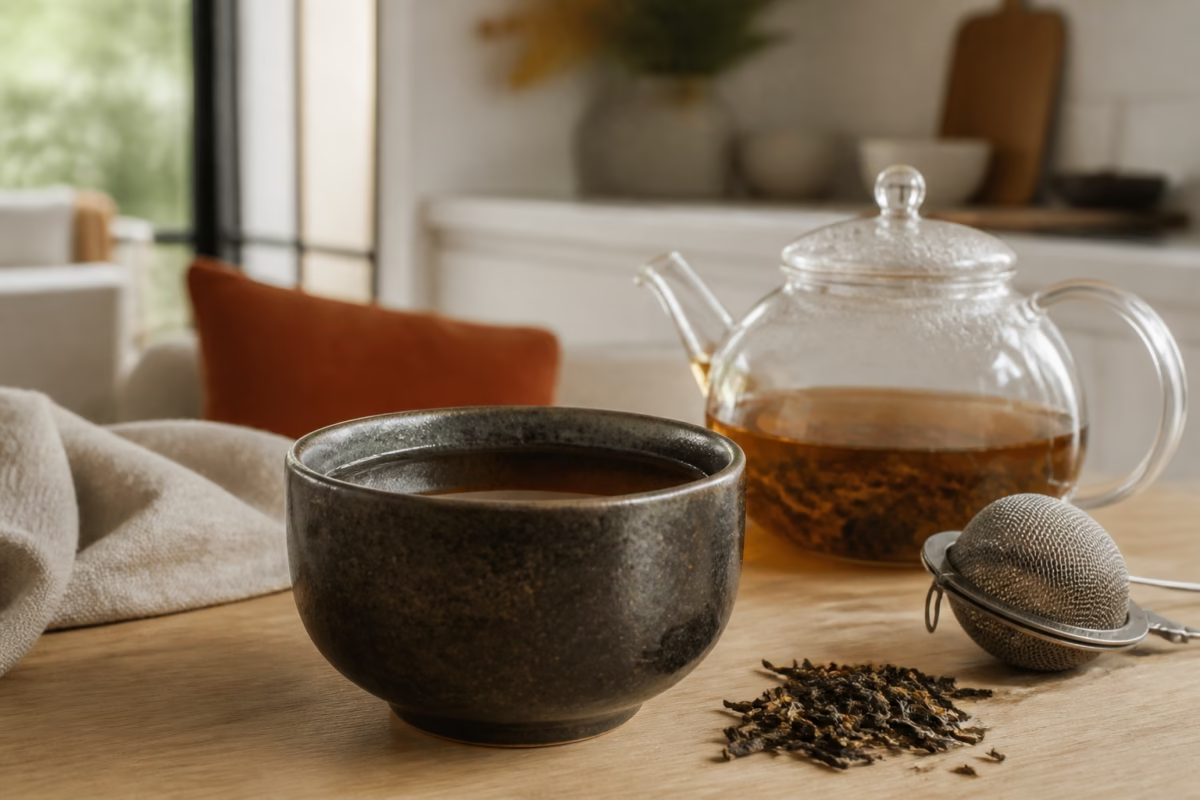
For loose leaf tea, Jianzhan works as the drinking vessel, not as a replacement for an infuser. Brew black tea, green tea, white tea, or oolong in the pot, basket, or brewer you already own, then pour it into the cup. Smaller Jianzhan forms are especially natural for teas prepared in several short infusions, but there is no requirement to adopt a formal ceremony.
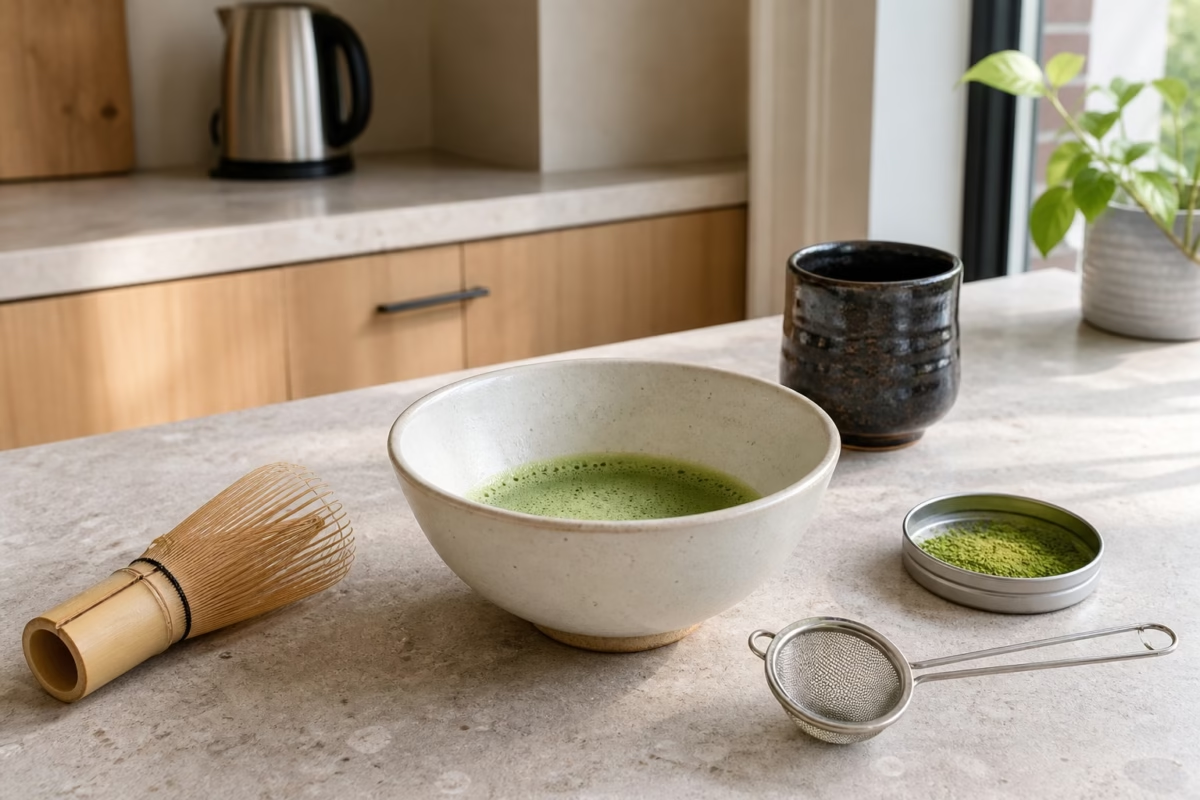
Matcha requires one practical distinction. A wide bowl can provide room to whisk matcha directly. A smaller cup is better for matcha whisked in a separate bowl and poured afterward, or for a concentrated serving rather than a large iced latte. Historical Jian bowls were used with whisked powdered tea, but Song-dynasty Chinese tea practice and modern Japanese matcha are related chapters, not the same ceremony.
Capacity may be the biggest adjustment for an American drinker accustomed to a 12-ounce mug. Many Jianzhan cups are smaller and have no handle. That can encourage a slower serving, but it should not come as a surprise. Check measurements rather than judging scale from a photograph. For example, the Arctic Tea Cup is listed at 150 ml—about five fluid ounces—and is described as hand-thrown in Shuiji, Jianyang from iron-rich clay.
The same practical thinking applies to heat and care. A handleless cup filled to the rim with boiling-hot tea may be uncomfortable to lift. Leave room at the top and allow the drink to cool to a pleasant temperature. Dishwasher and microwave guidance can vary by piece, so follow the care information for the specific cup rather than assuming all artisan ceramics behave alike.
Jianzhan does not ask Western tea drinkers to abandon the rest of the cupboard. A travel tumbler still makes sense on a commute. A large mug may be best during a long work session. A handmade cup can be reserved for the tea you want to pay attention to. The ritual does not have to surround every drink to be real.
Who Is a Handmade Jianzhan Cup Really For?
A handmade Jianzhan cup suits someone who enjoys the steps around tea as much as the finished beverage. It may appeal to:
- a coffee drinker curious about making tea with the same care they bring to a pour-over
- a loose leaf tea drinker building a more intentional setup
- a matcha enthusiast drawn to darker, more tactile ceramics
- someone who prefers a distinctive premium tea cup to a perfectly matched set
- a person who likes everyday objects with visible craftsmanship and a traceable place of origin
It is probably not the right choice for someone who wants the cheapest possible vessel, needs every cup to look identical, or prefers disposable convenience. It may also frustrate anyone expecting the capacity and handle of a conventional American mug.
That honest distinction matters. Handmade drinkware should fit a real routine, not create an obligation to perform a lifestyle. The best cup is still the one you will reach for, use, clean, and enjoy.
A Cup Does Not Need to Replace Every Other Cup
Jianzhan is not about replacing every cup in an American kitchen. The practical mug, the commuter tumbler, and the tall glass for iced matcha all have a job.
Its role is more specific: to make one recurring moment feel more present.
For people who see tea as a pause rather than only a drink, the cup becomes part of the ritual. Its weight signals that it is time to sit down. Its glaze gives the eye somewhere to rest. Its handmade variation brings the care of another person into an otherwise ordinary part of the day.
A handmade Jianzhan tea cup will not slow the world outside the kitchen. It may, however, change the way a few quiet minutes inside it are experienced. That is a modest promise—and, perhaps, the most meaningful one an everyday object can make.



4 thoughts on “Why Tea Rituals Are Becoming Popular in America: The Rise of Handmade Jianzhan Cups”