

Blog
From Specialty Coffee to Tea Culture: Why More Americans Are Exploring Premium Tea

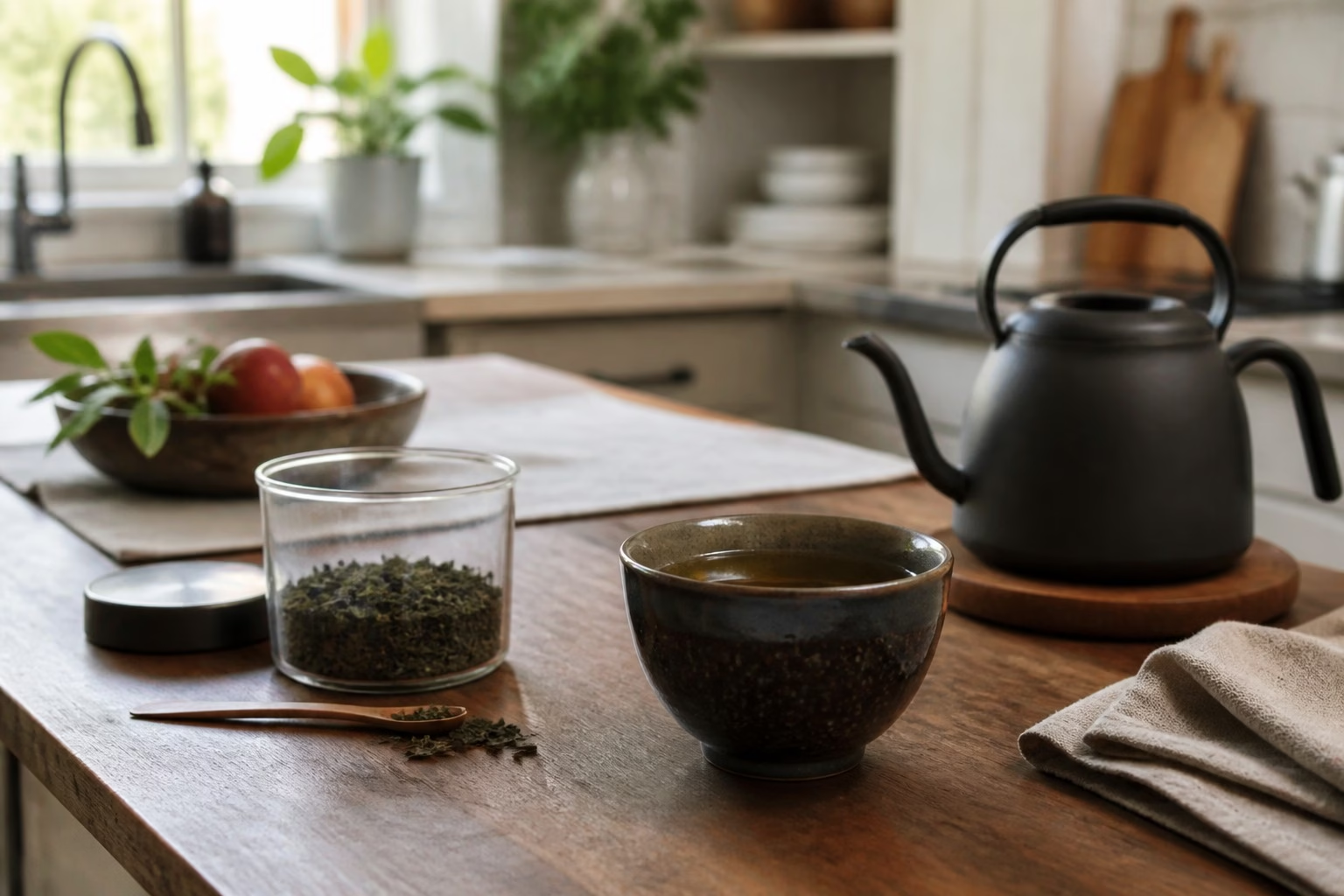
Twenty years ago, ordering coffee in America often came down to a few practical choices: regular or decaf, black or with cream, here or to go. Today, even casual drinkers may know the region their beans came from, the roast profile they prefer, and whether they want espresso, cold brew, or a pour-over.
Specialty coffee taught people to notice what happens before the first sip. Origin, preparation, equipment, and café atmosphere all became part of the value of an everyday drink.
Tea now shows signs of a similar shift. Matcha is familiar on mainstream café menus. Loose leaf tea invites questions about place, harvest, water, and steeping. Once drinkers begin paying attention to those details, they may begin choosing a premium tea cup, pot, kettle, and other objects with the same care.
This is not a contest between coffee and tea. It is a change in what Americans expect from a beverage: less anonymous convenience, more character, choice, and experience.
How Specialty Coffee Changed the Way Americans Think About Drinks
Specialty coffee changed American taste one detail at a time. Roasters put farms and regions on bags. Menus introduced processing methods and tasting notes. Baristas made preparation visible, while pour-over counters turned brewing into a short sequence of measuring, blooming, and waiting.
That language is now mainstream. In the 2026 specialty-coffee report from the National Coffee Association and Specialty Coffee Association, 47% of U.S. adults surveyed said they had consumed specialty coffee in the previous day, compared with 42% for traditional coffee. The categories are broad, but the larger point is clear: paying attention to craft is no longer a niche habit.
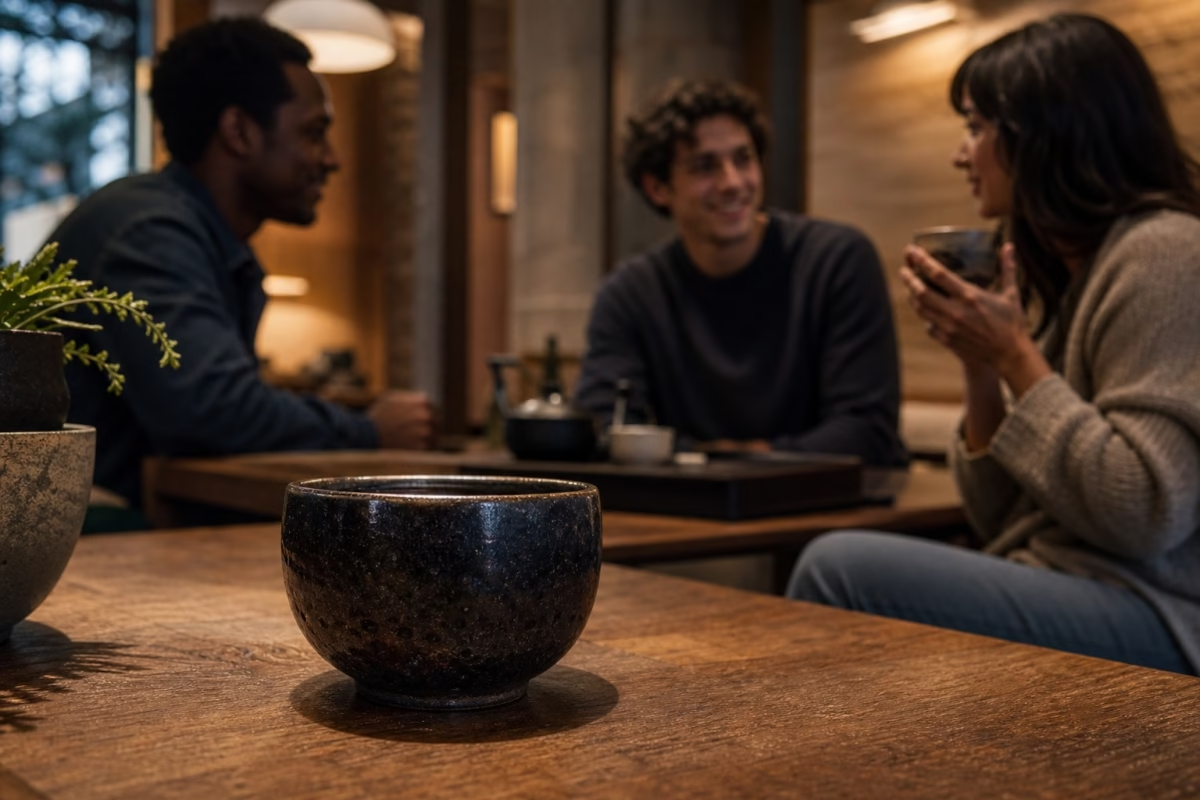
Equipment reinforced the lesson. Coffee lovers learned why a burr grinder, water temperature, or brewing method could change the result. They also learned that the experience did not begin and end with flavor. A neighborhood café could feel memorable because of its light, music, ceramics, and pace.
“Premium” took on a more personal meaning in the process. It did not have to mean formal or showy. A carefully sourced coffee brewed at home in sweatpants could still feel special because someone understood it and prepared it to suit their taste.
That mindset prepared the ground for specialty tea. Once a person is comfortable comparing coffee origins and tools, exploring tea gardens, leaf styles, steeping methods, and a premium tea cup feels less like entering an unfamiliar world and more like following the same curiosity.
Why Matcha Helped Bring Tea Into Mainstream American Culture
Matcha became an accessible bridge between café culture and the much wider world of tea.
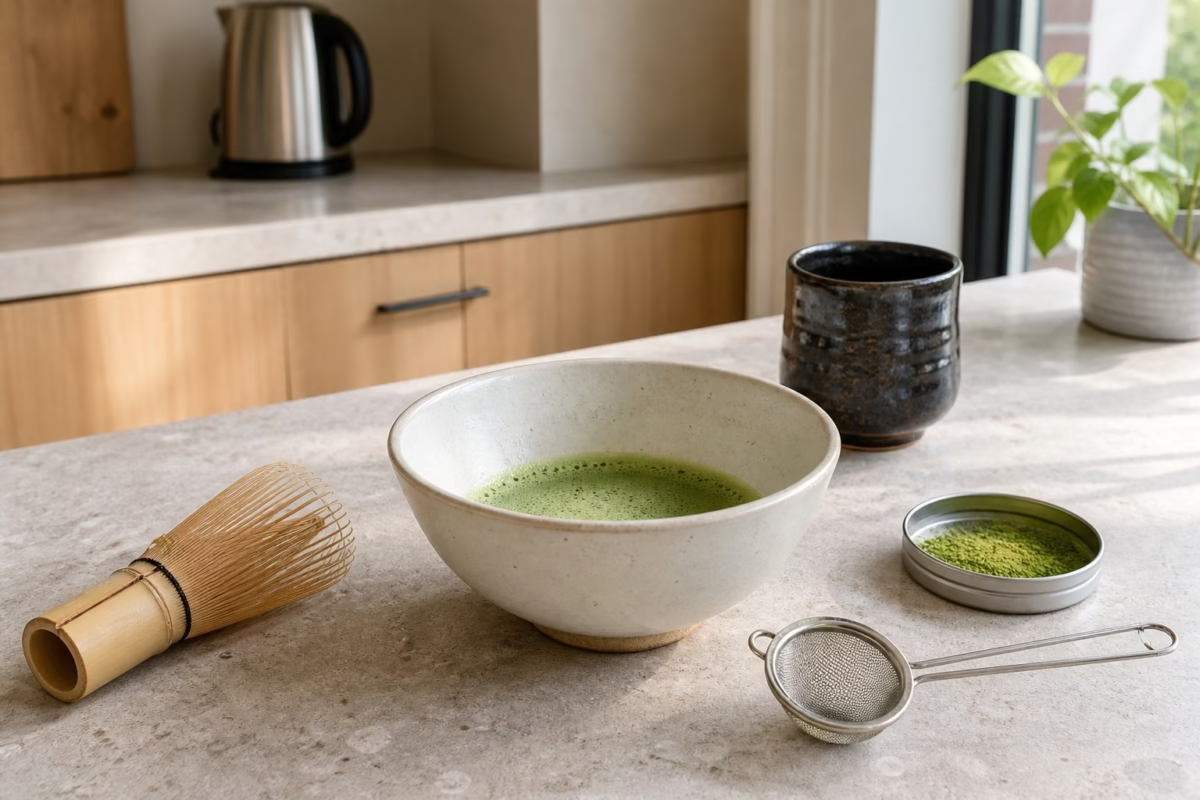
It arrived in formats Americans already understood: hot or iced, plain or made into a latte. At the same time, its vivid color and visible preparation made it feel distinct. Scooping, sifting, adding water, and whisking created a drink that looked deliberately made rather than simply dispensed.
The scale of that visibility is easy to see on national menus. In February 2026, Starbucks reported that its year-round matcha lineup had tripled from four drinks in 2023 to twelve. Dunkin lists both hot and iced matcha lattes. Those company examples are not a measure of the entire U.S. market, but they show how far matcha has moved beyond specialist tea shops.
Social media helped create a visual vocabulary around the drink: bright green powder, bamboo whisks, modern glassware, and layered iced lattes. Yet matcha’s staying power is not only about appearance. Its grassy, savory character offers a different taste experience, and the preparation gives people a compact skill they can practice at home.
For many drinkers, matcha becomes an entry point rather than a final destination. Curiosity moves toward Japanese green teas, Taiwanese oolongs, Chinese black teas, herbal blends, and other loose leaf options. Tea begins to look less like a single shelf at the grocery store and more like the broad sensory landscape coffee drinkers already know.
The Next Stage of Tea Culture: Moving Beyond the Drink Itself
As interest deepens, the questions tend to change.
A beginner may start by asking which tea to buy. Later, attention shifts to water temperature, steeping time, storage, and the vessel used for brewing. Someone discovers that a fragrant oolong can unfold across several infusions, or that a delicate green tea often benefits from cooler water. Preparation becomes part of the pleasure.
Coffee offers an obvious parallel. A coffee enthusiast who buys better beans eventually considers the grinder and brewer. Tea drinkers follow a similar path toward kettles, infusers, pots, whisks, and cups. These tea accessories are not trophies; at their best, they make a routine easier, more personal, or more enjoyable.
Our earlier article on why tea rituals are becoming popular in America explored the desire for a deliberate pause. Premium tea develops that idea further. Here, “premium” works better as a description of attention than as a price bracket. A rare tea brewed carelessly may feel less rewarding than an accessible tea prepared with care.
The surrounding objects matter for the same reason. A familiar tray can signal the end of the workday. A well-balanced kettle makes preparation smoother. A cup chosen for its shape and texture can draw attention back to the drink.
At that point, tea is no longer an isolated purchase. It becomes a small personal practice.
Why Handmade Ceramic Cups Matter in Premium Tea Experiences
The cup is the part of tea preparation that stays in the hand. Its weight, rim, surface, and balance remain present through the entire drink, giving ceramics an unusual influence over the mood of the experience.
A handmade ceramic cup often carries subtle evidence of forming, trimming, glazing, and firing. A rim may not be mechanically uniform. Glaze can gather more deeply in one area or shift near the foot. These variations give the eye and fingers something to discover over time.
Factory-made drinkware has real advantages. It can be lighter, consistent, affordable, stackable, and easy to replace. For a commute, an office kitchen, or a busy household, those qualities may matter most. Handmade work serves a different preference: the desire to use an object with visible material character and evidence of human judgment.
A handmade cup does not repair poor brewing or change the objective quality of tea. Its contribution is experiential. A wide opening shows the color of the brewed tea differently from a tall, narrow form. Substantial stoneware feels different from thin porcelain. A textured exterior can make a person more aware of how the cup rests in the hand.
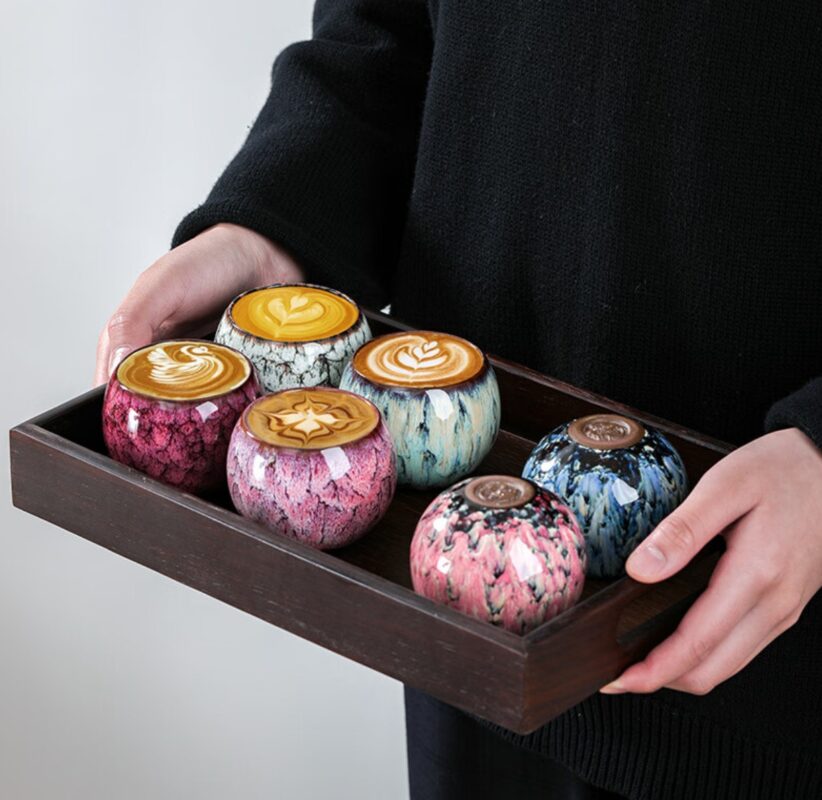
A premium tea cup earns its place when those details suit the person using it. Some drinkers want quiet, pale ceramics; others prefer darker glazes with movement and contrast. A varied Tea Cups Collection is useful because the choice is as tactile and personal as it is visual.
Where Jianzhan Fits Into the Modern Tea Movement
This renewed appreciation for ceramic character creates a natural place for Jianzhan.
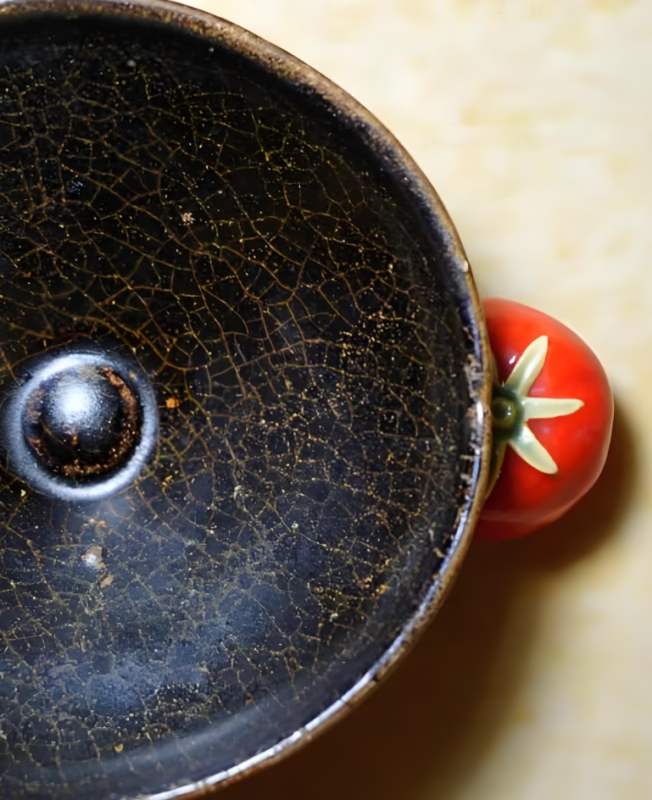
Jianzhan refers to cups and tea bowls rooted in the Jian ware tradition of Jianyang, in China’s Fujian Province. Jian tea bowls became especially prominent during the Song dynasty. Historical examples are stoneware with dark, iron-rich bodies and iron-bearing glazes.
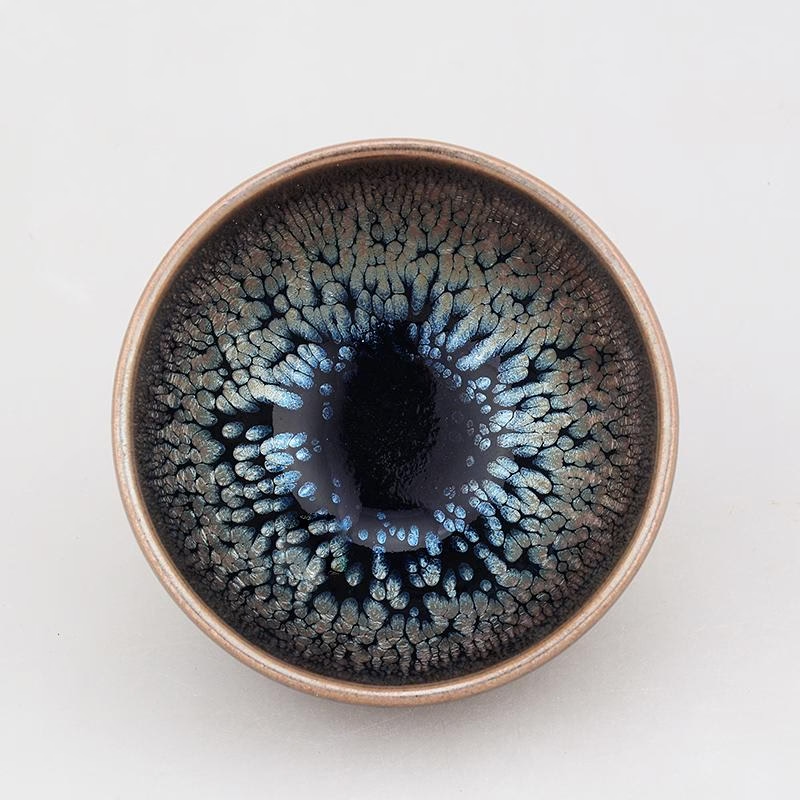
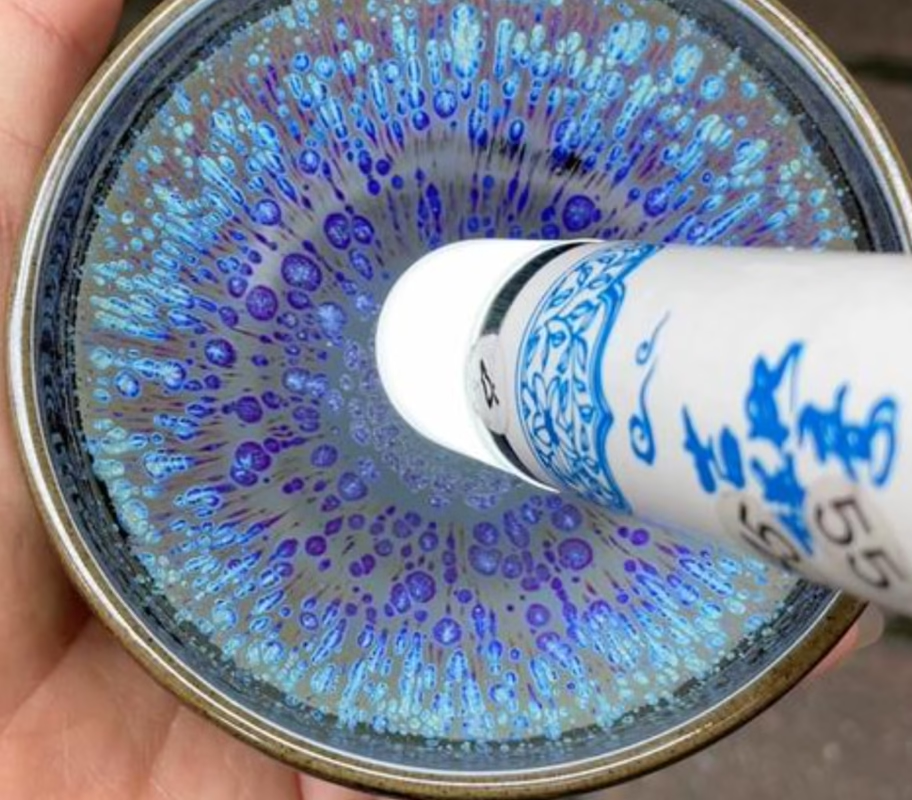
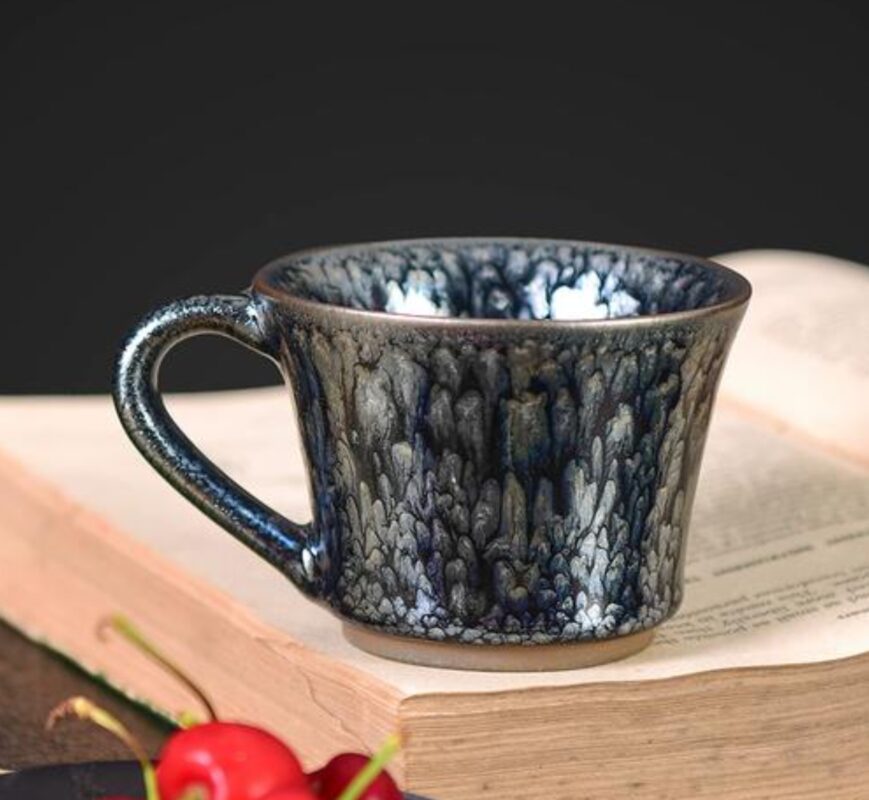
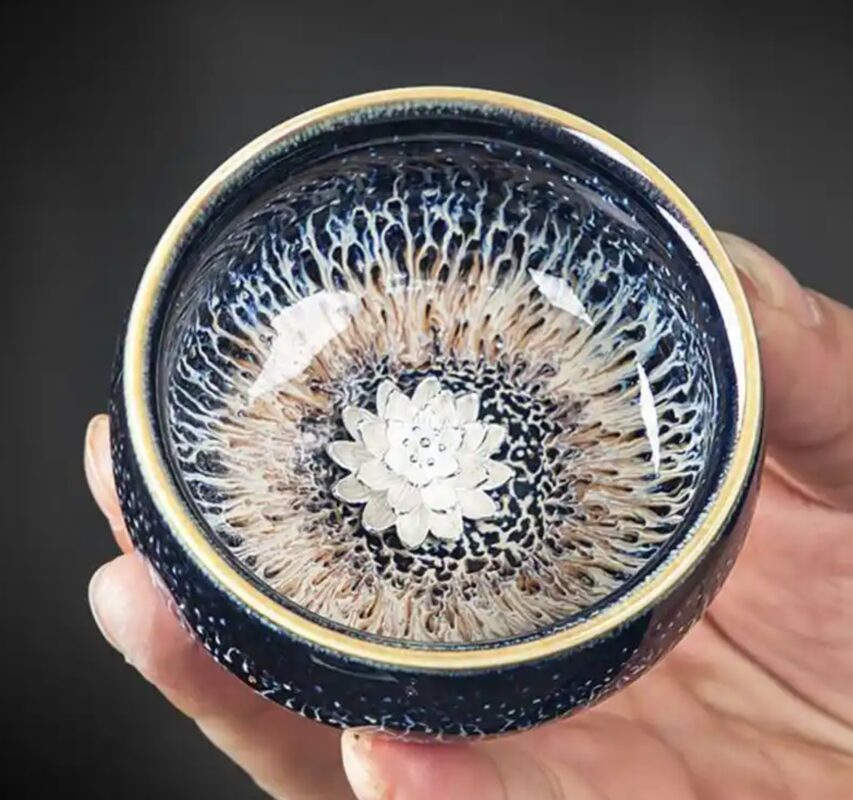
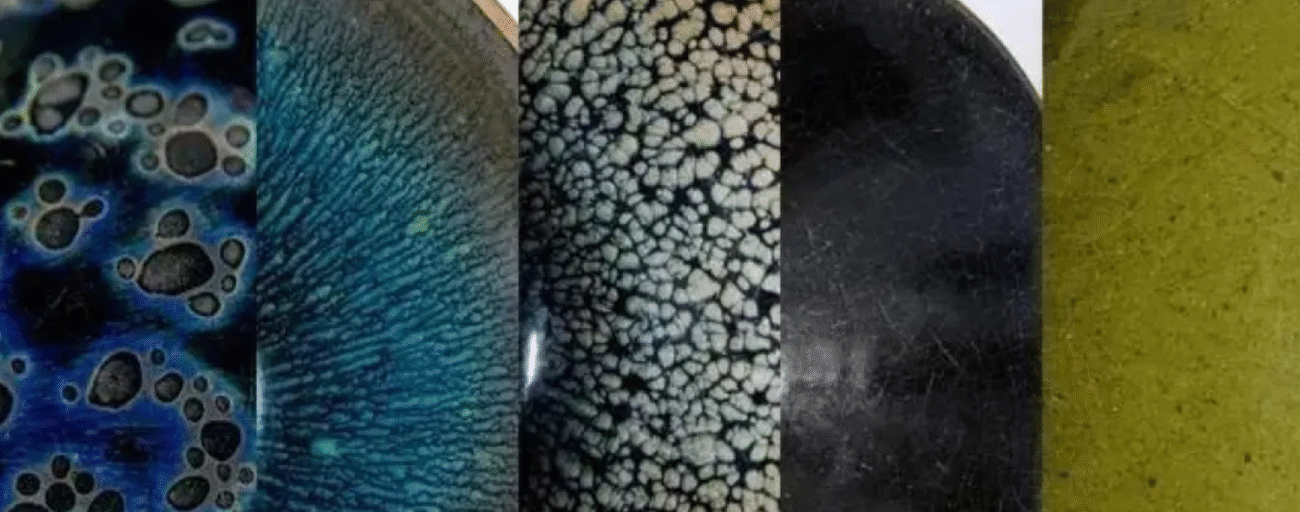
During firing, iron in the glaze can separate and crystallize into expressive markings. Two well-known effects are often called “hare’s fur,” with fine streaks running down the vessel, and “oil spot,” with rounded markings against a dark ground. These surfaces are kiln and glaze phenomena rather than painted decoration.
Today’s Jianzhan is best understood as a revived Song-era ceramic tradition, not an unbroken production line. Chinese craft records describe reconstruction work beginning in the 1970s. Contemporary makers now work within that recovered material language while developing their own forms, glaze effects, and firing approaches. Our guide to Jian ware’s flame, clay, and craft explores that background in more depth.
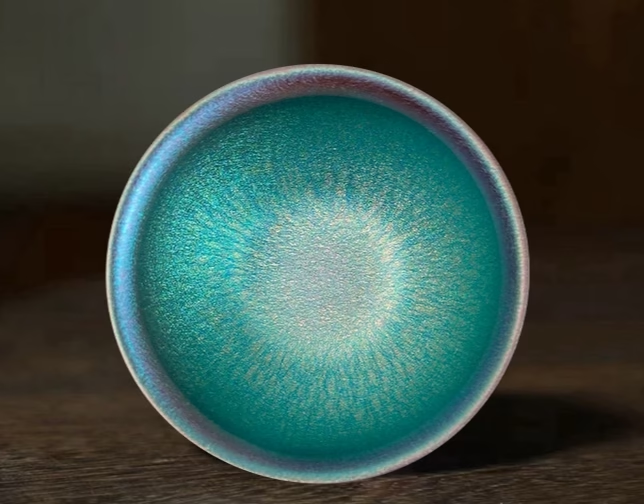
When a Jianzhan cup is made by hand, the process involves judgment at every stage: preparing material, forming the body, applying glaze, managing temperature and kiln atmosphere, and cooling. Firing still introduces variation, so color and surface character can differ across pieces. The Arctic Tea Cup and earth-toned Brownie Tea Cup offer two visual examples of how wide that contemporary range can be.
Jianzhan fits the modern tea movement because it joins history to everyday use. Its dark surface gives tea a dramatic visual setting, while shape, weight, and texture create a distinct tactile experience. It does not make tea objectively taste better. It can, however, make the act of drinking feel more deliberate—and that difference matters to people who value craft and ritual.
Can Western Tea Drinkers Use Jianzhan Cups?
Yes. A Western tea drinker does not need to recreate a formal Chinese tea ceremony or replace familiar equipment. Jianzhan can simply join an existing routine.
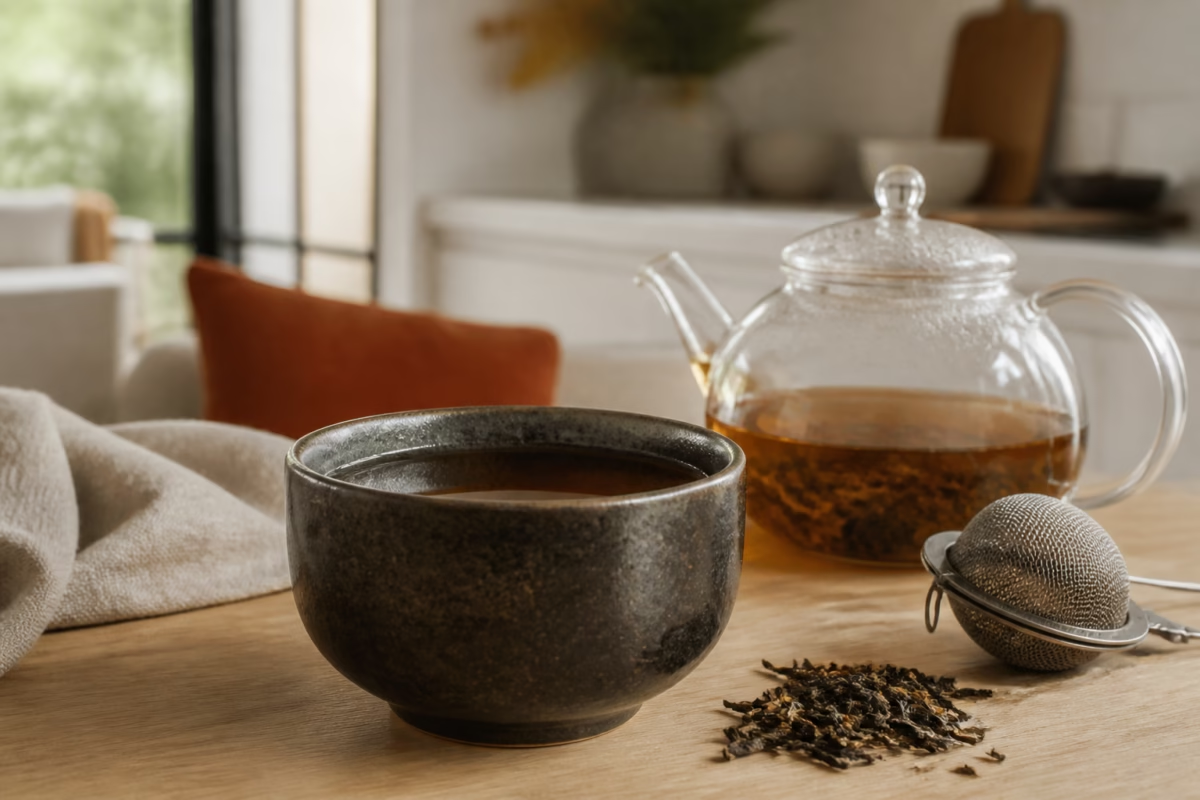
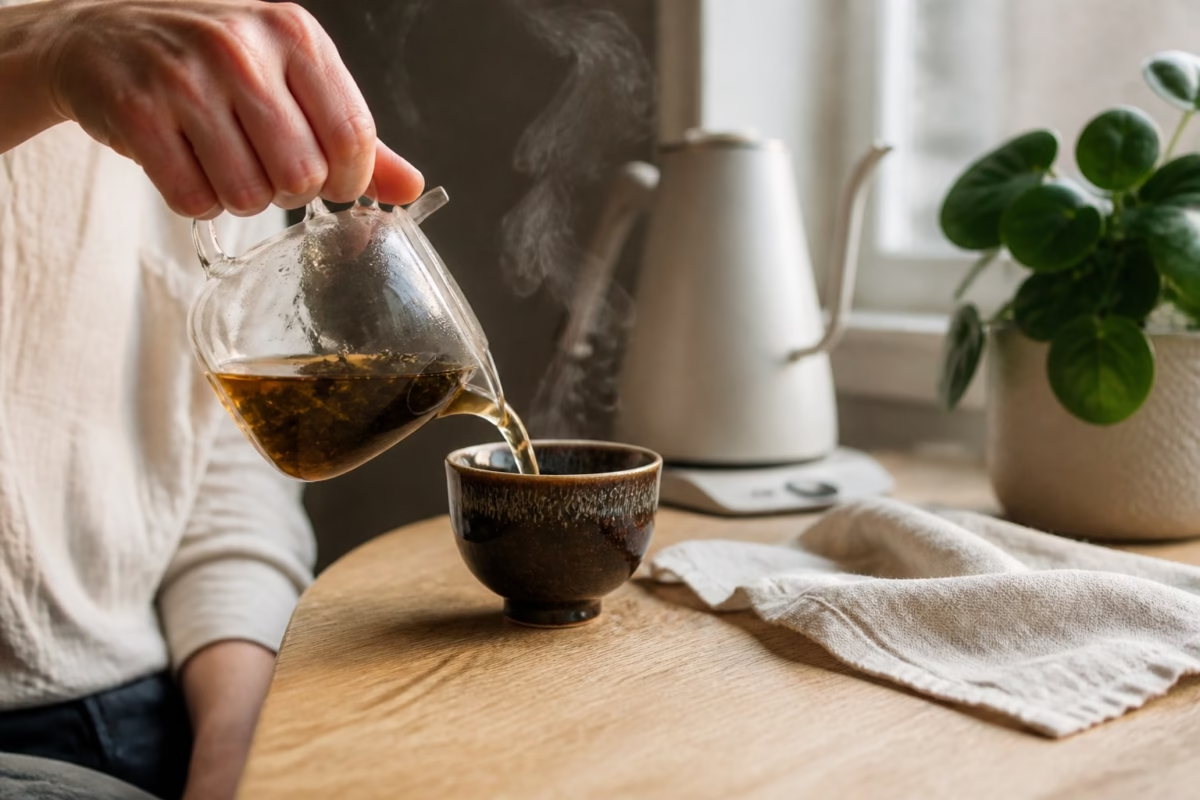
- Loose leaf and oolong tea: Brew in a teapot, gaiwan, or basket infuser, then pour into the cup. Smaller forms work naturally for several short infusions.
- Black tea: Prepare it as usual and choose a cup capacity that matches the serving you enjoy.
- Green and white tea: The cup can hold tea brewed elsewhere; water temperature and steeping time still depend on the leaves, not the drinkware.
- Matcha: A wide Jianzhan bowl may provide enough room for direct whisking. A smaller cup is better for matcha prepared in another bowl and poured before drinking, including a more modern serving.
Capacity is the main adjustment for many Americans. Jianzhan cups are often smaller than a standard coffee mug and usually have no handle. That scale suits attentive servings and repeated infusions, but someone who wants twelve or sixteen ounces at once should check measurements before choosing.
Heat and care deserve attention too. A handleless cup filled with very hot tea may need a short cooling period before it is comfortable to lift. Dishwasher and microwave guidance varies by individual piece, so the maker’s or seller’s instructions should guide use.
The practical standard is simple: the cup should work with a real habit. A meaningful object becomes part of daily life through use, not through an obligation to perform someone else’s ritual.
Why Premium Tea Accessories Are Becoming Part of Modern Home Lifestyle
Coffee already has a visible place in American home design. Grinders, brewers, beans, and favorite mugs often occupy a dedicated counter or shelf. Tea is beginning to receive similar consideration through home café culture, slow living, and a preference for intentional purchases.
A complete home tea setup can remain small: a kettle, storage for a few teas, an infuser or pot, and one or two cups. A tray keeps the pieces connected and makes the routine easy to begin. The goal is not to turn a kitchen into a showroom; it is to give a repeated habit a clear, welcoming place.
This is where premium tea accessories can add warmth without becoming clutter. The strongest pieces earn their space through frequent use. A handmade scoop, compact pot, or premium tea cup can function as part of the room while still doing an everyday job.
Ceramics are especially suited to that balance. They bring color, texture, and evidence of human making into kitchens filled with smooth appliances and standardized surfaces. Left on an open shelf, a distinctive cup can be visually pleasing. Taken down each afternoon, it becomes a cue to pause.
The risk is turning a simple ritual into endless acquisition. Intentional living depends less on owning every possible tool than on choosing a few compatible pieces. For a closer look at why the routine itself can feel rewarding, explore the psychology behind tea rituals.
Tea Does Not Need to Replace Coffee
The future of tea culture in America is unlikely to depend on converting every coffee drinker. A person can enjoy a morning espresso, an iced matcha after lunch, and loose leaf tea in the evening without choosing a side. Each drink answers a different mood.
What premium tea culture adds is another reason to pay attention. The leaf has an origin. Preparation has a rhythm. The objects have texture, scale, and character.
That meeting point between old craft and contemporary routine is where AEROVYNX becomes relevant. The aim is not to make every drink ceremonial or every kitchen precious. It is to recognize that an ordinary pause can feel richer when its details are chosen with care.
Just as specialty coffee changed how Americans view a cup of coffee, premium tea culture is changing how they think about tea—including the cup itself. When tea becomes a moment worth protecting, the cup stops fading into the background. It becomes part of the experience.



One thought on “From Specialty Coffee to Tea Culture: Why More Americans Are Exploring Premium Tea”