
Blog
Why Tea Lovers Slowly Move Toward Clay Tea Cups — The Feeling Glass Can’t Replicate

Most people begin with glass
It makes sense.
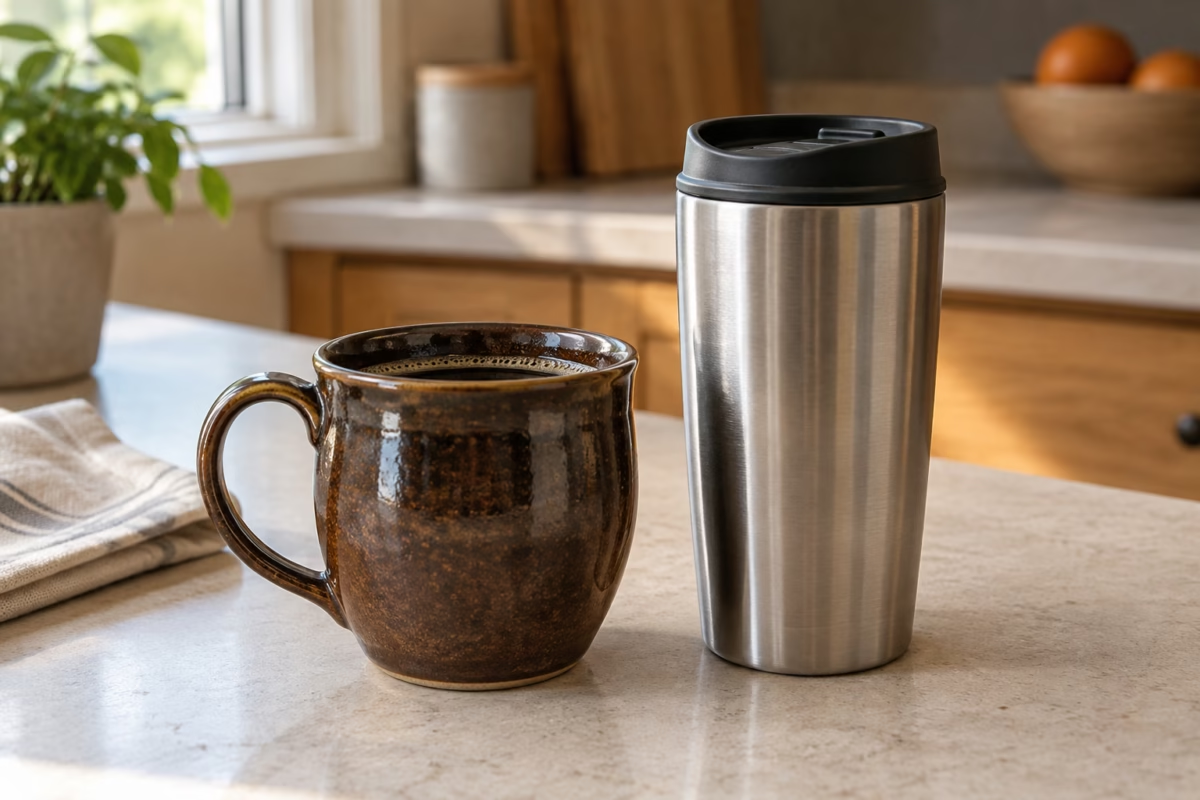
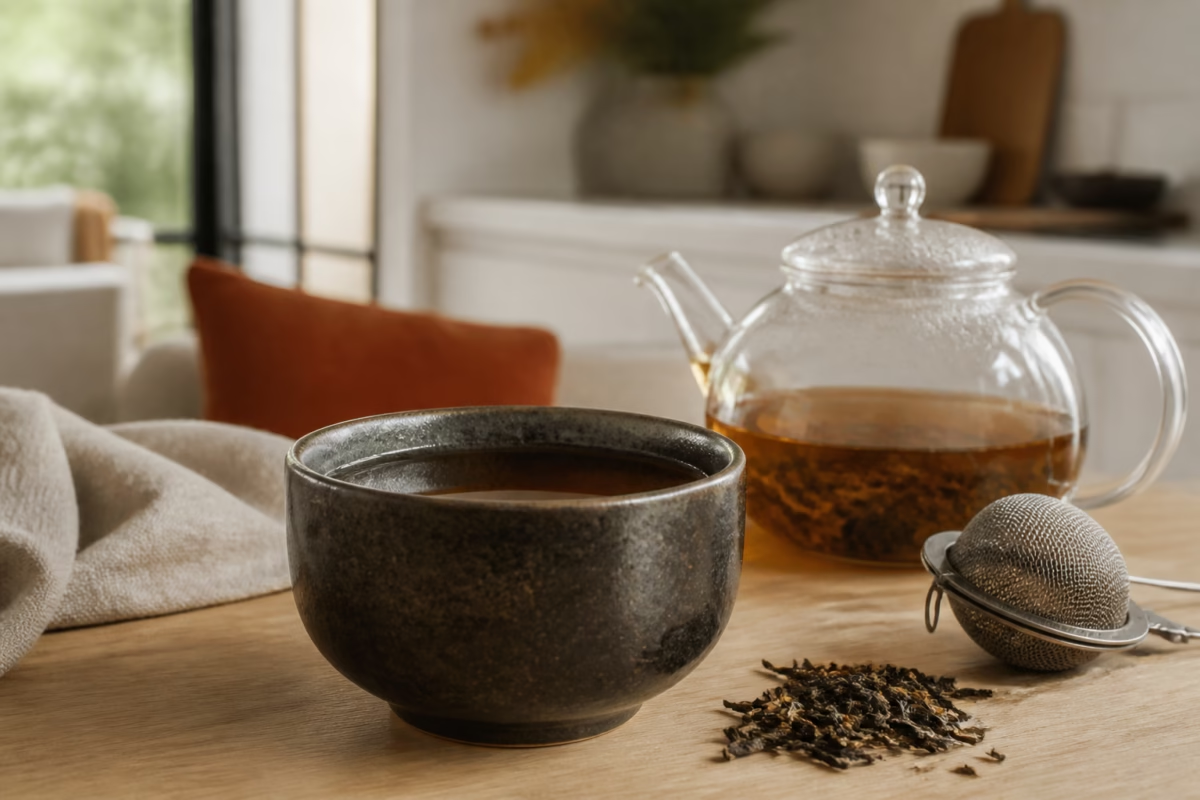
Glass tea cups look clean, modern, and visually satisfying. You can fully see the color of the tea, the movement of the leaves, and the clarity of the liquor itself.
For beginners, that transparency feels exciting.
And honestly, glass can be beautiful.
But something interesting happens over time with many tea drinkers:
They slowly begin reaching for clay more often.
Not because clay is trendier.
Not because it feels more traditional.
Because the experience feels different.
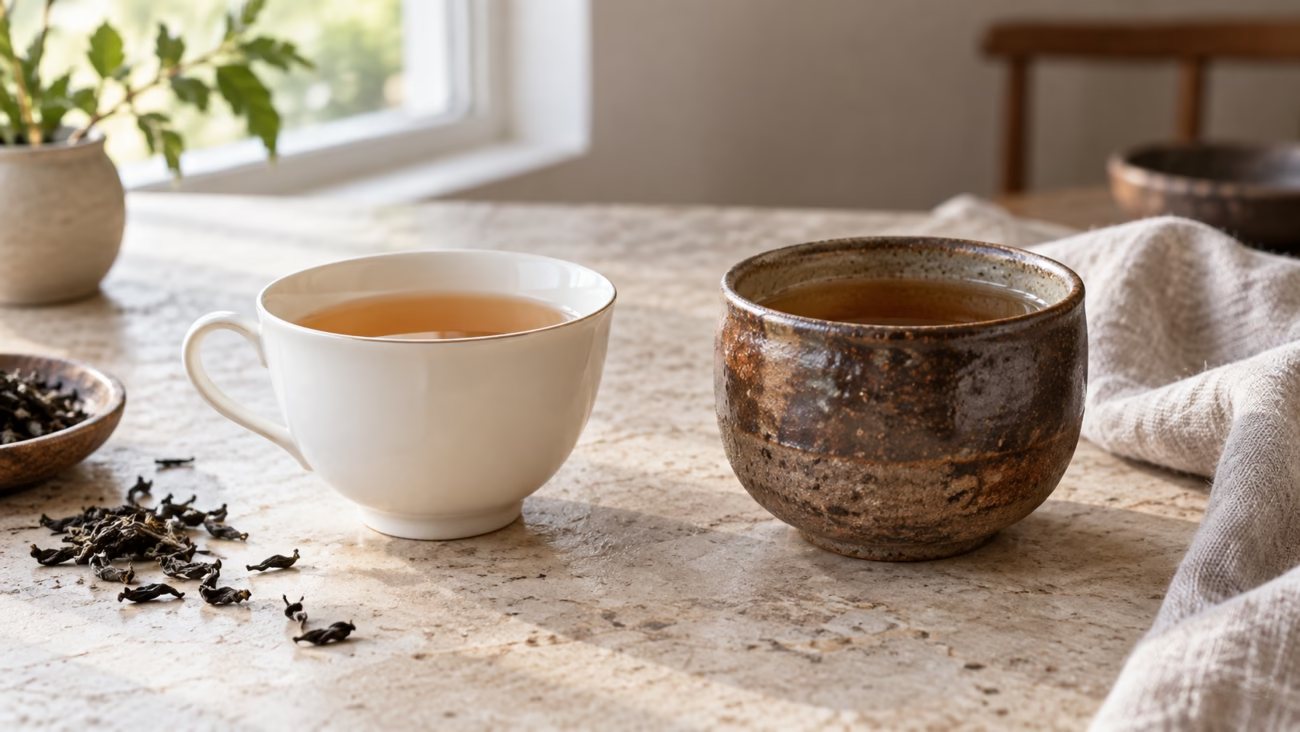
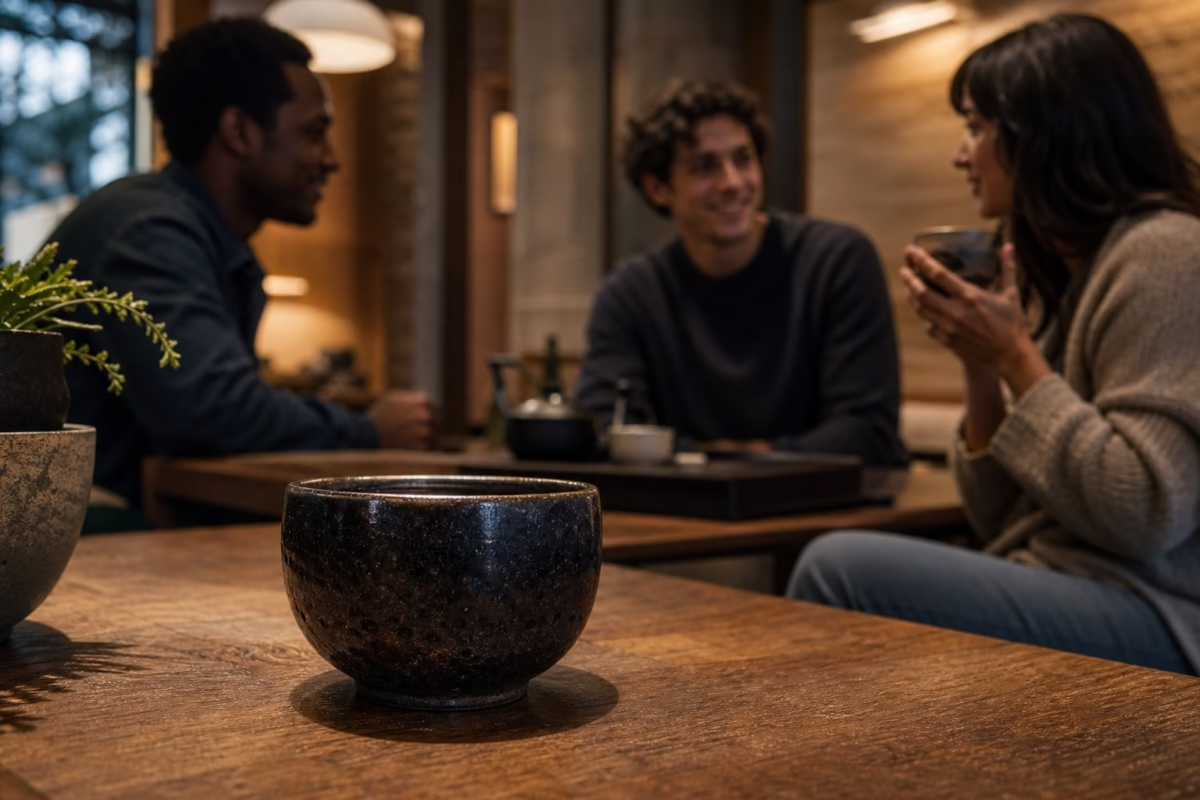
Glass is visual. Clay is atmospheric.
Glass highlights the tea itself.
Clay changes the atmosphere around the tea.
The warmth lingers longer.
The texture feels softer in the hand.
The pace of drinking naturally slows down.
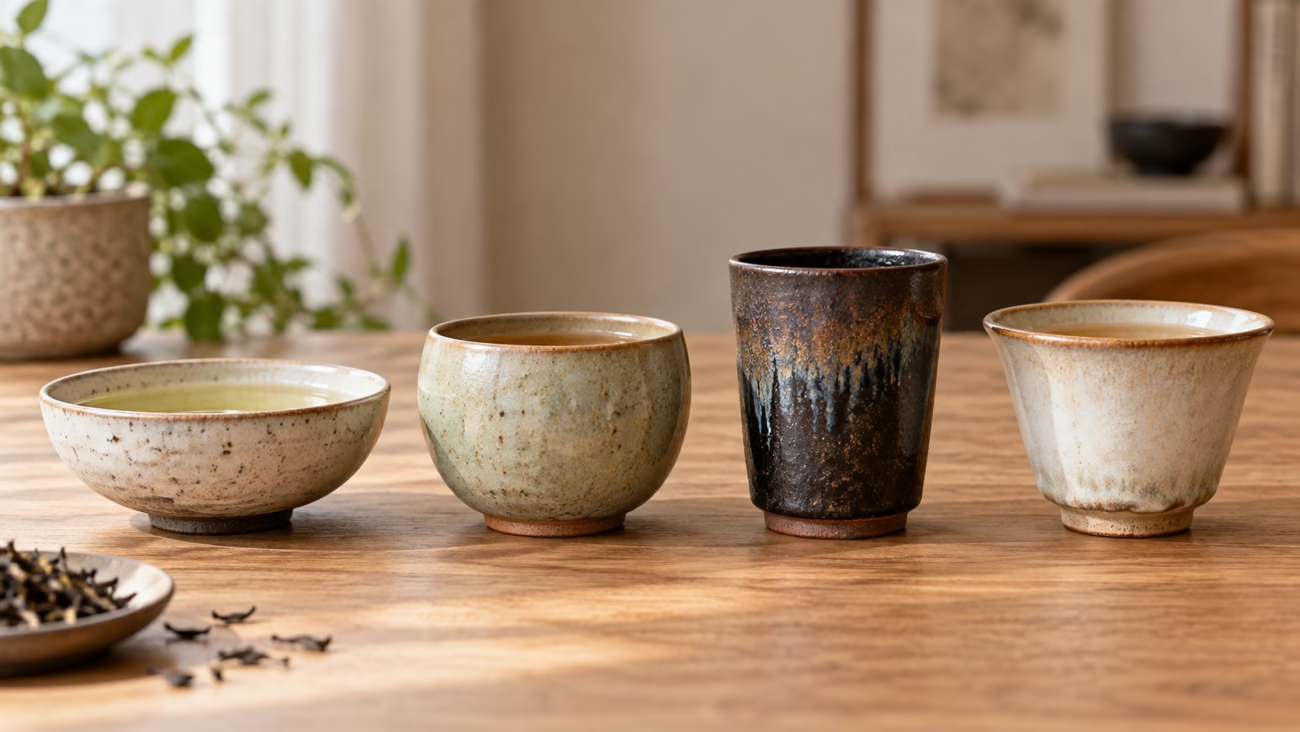
And unlike perfectly smooth glass, handmade clay cups carry tiny irregularities that make the experience feel more grounded and human.
At first, these differences seem subtle.
But over months of daily tea rituals, many people begin realizing they affect the emotional experience of tea more than expected.
Why warmth changes the ritual
Tea changes quickly as temperature drops.
Aroma fades.
Texture sharpens.
The body feels thinner.
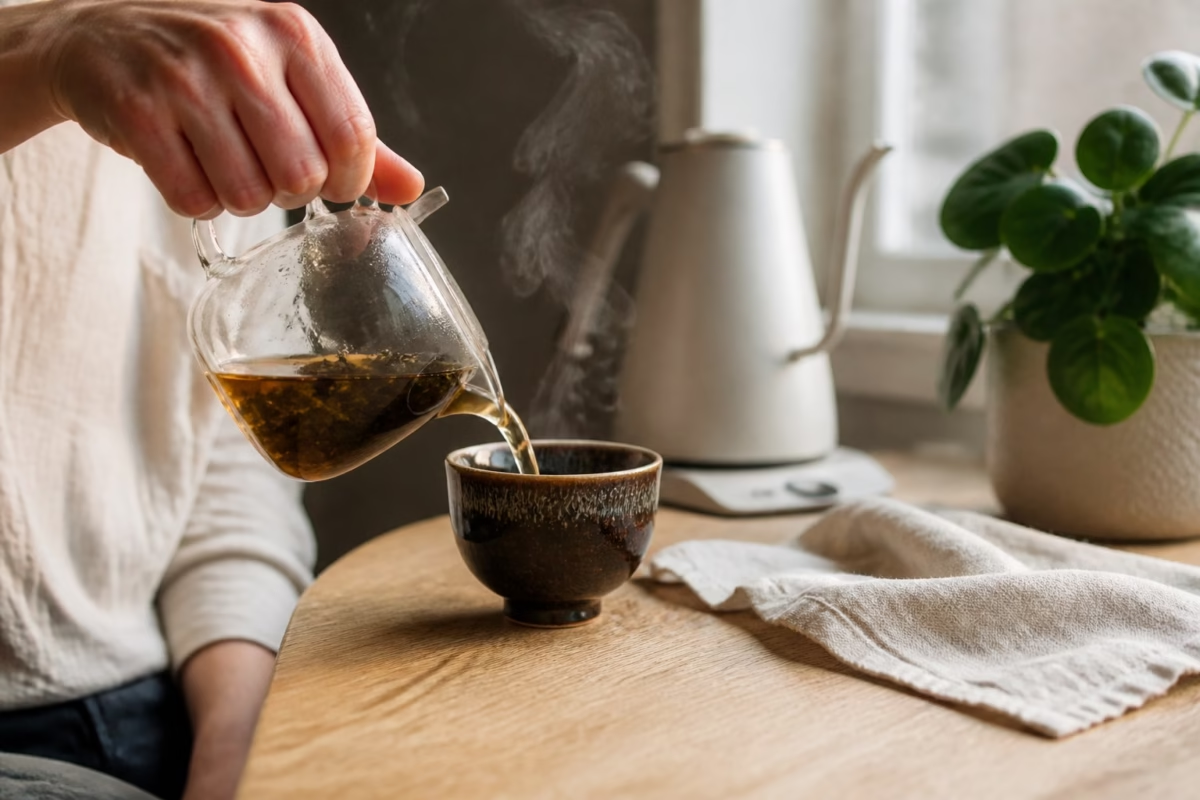
Clay naturally retains warmth more gently than glass, creating a slower cooling curve that many tea drinkers describe as calmer and more immersive.
But the difference isn’t only physical.
It’s emotional too.
A warm clay cup encourages you to pause:
- to hold it longer
- sip more slowly
- notice more details
That subtle shift is difficult to explain until it quietly becomes part of your routine.
Why handmade clay feels more personal
Mass-produced cups are designed for consistency.
Handmade clay cups preserve traces of the process itself:
- throwing marks
- glaze variation
- subtle asymmetry
- texture beneath the fingers
These details make the object feel less industrial and more alive.
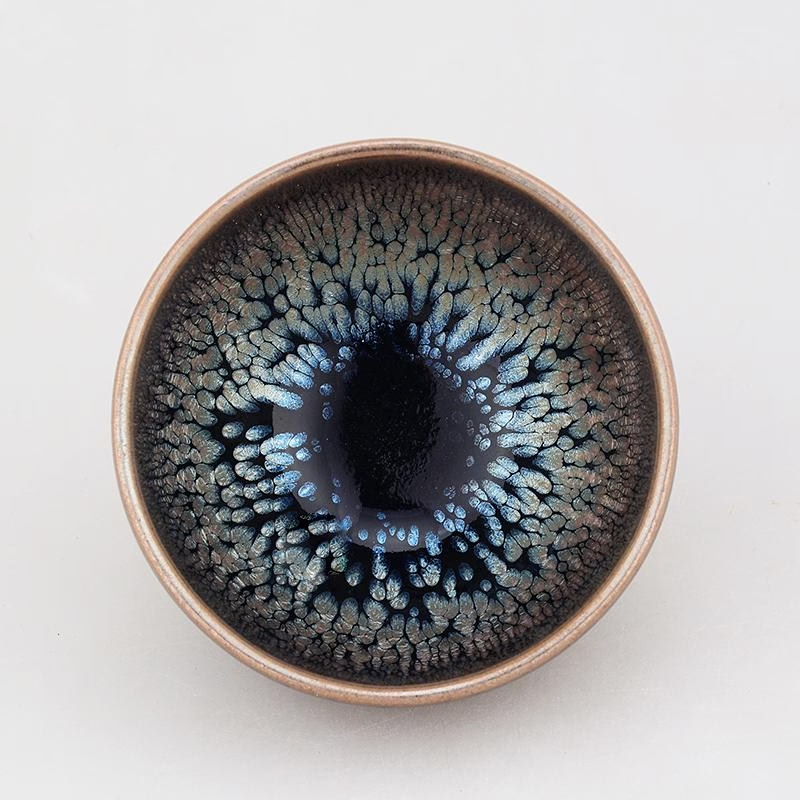
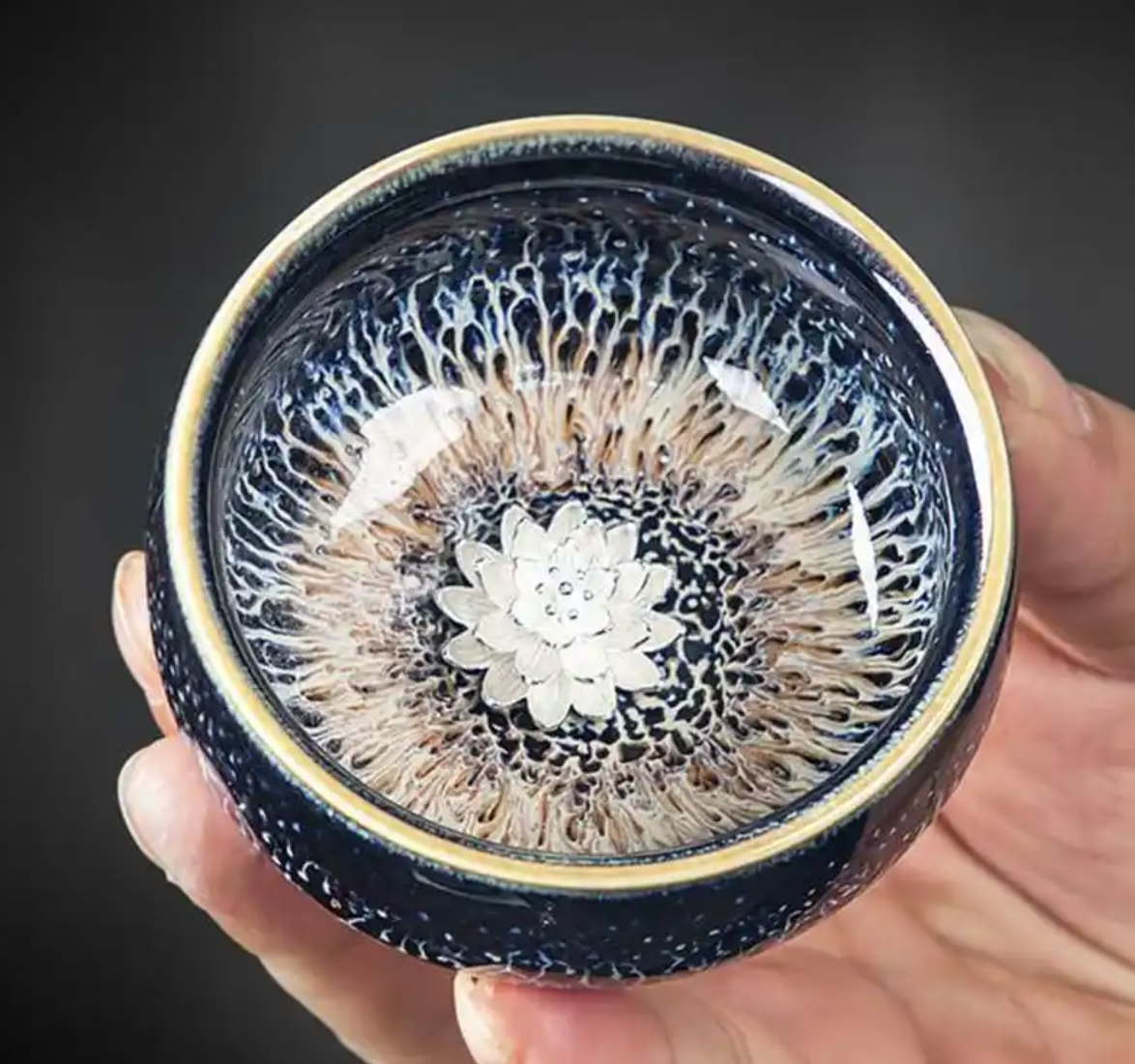
This is especially true for handmade Jianzhan (Tenmoku) tea cups.
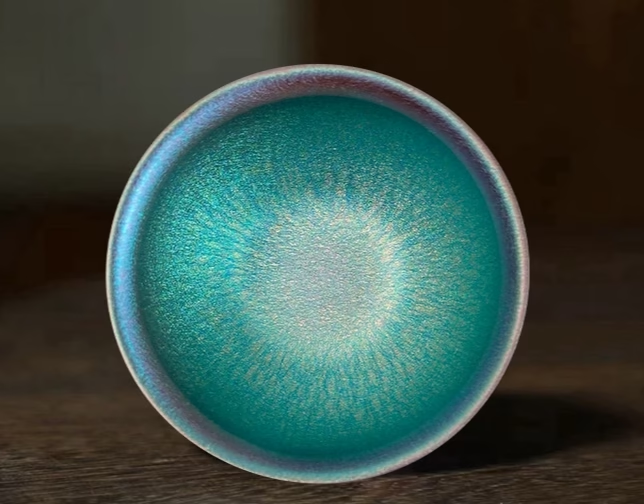
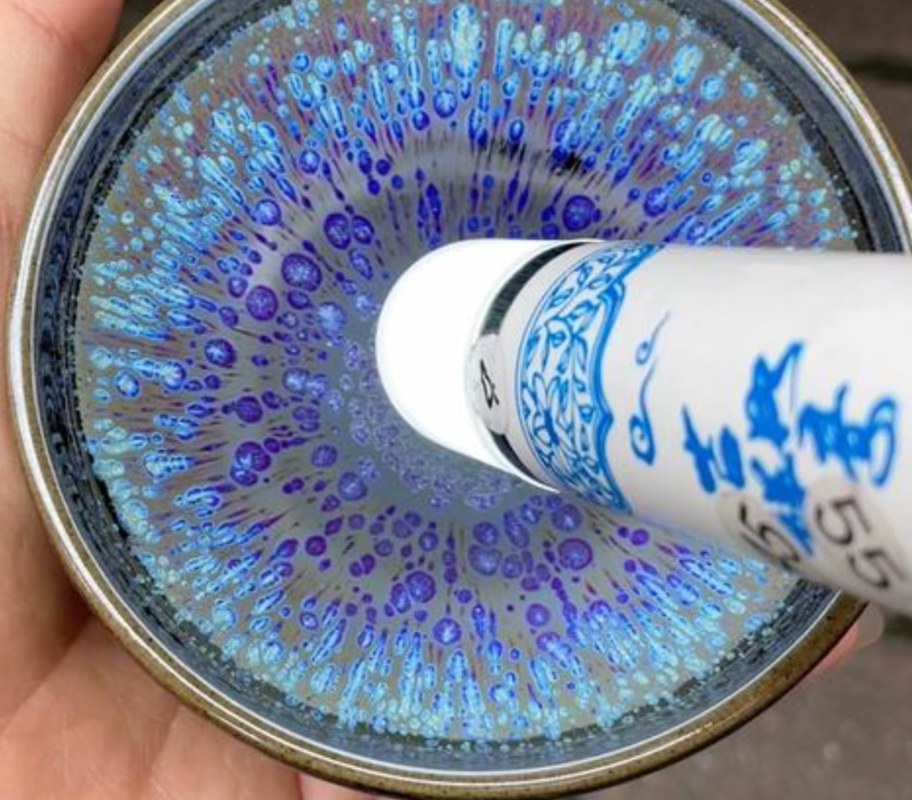
Made from iron-rich clay and fired at temperatures above 1300°C, each piece develops glaze patterns that can never be perfectly repeated.
No two cups carry light in exactly the same way.
And strangely enough, that uniqueness becomes part of the emotional connection people develop with them.
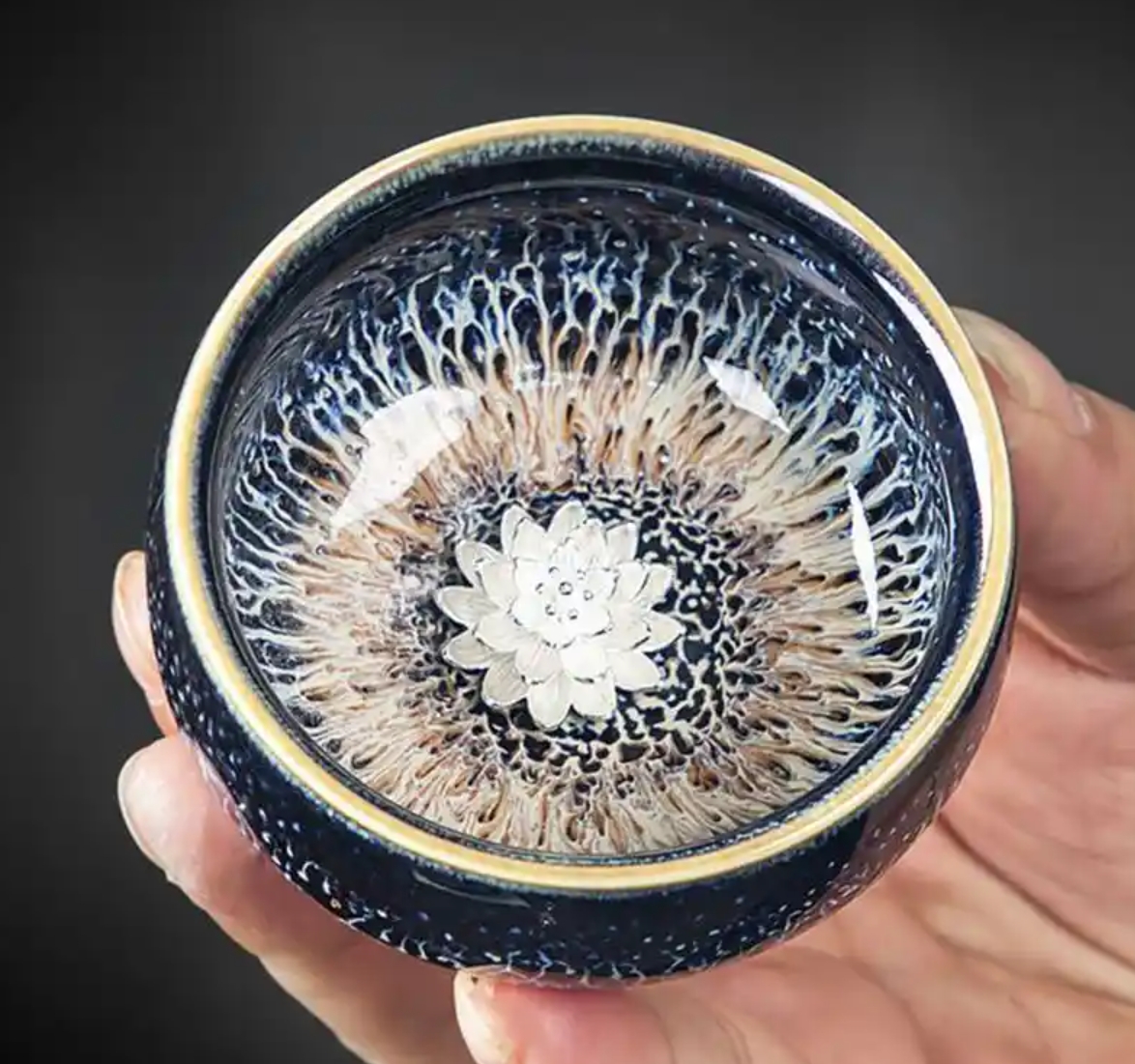
[CURATED PICK] — The Quiet Weight of Jianzhan
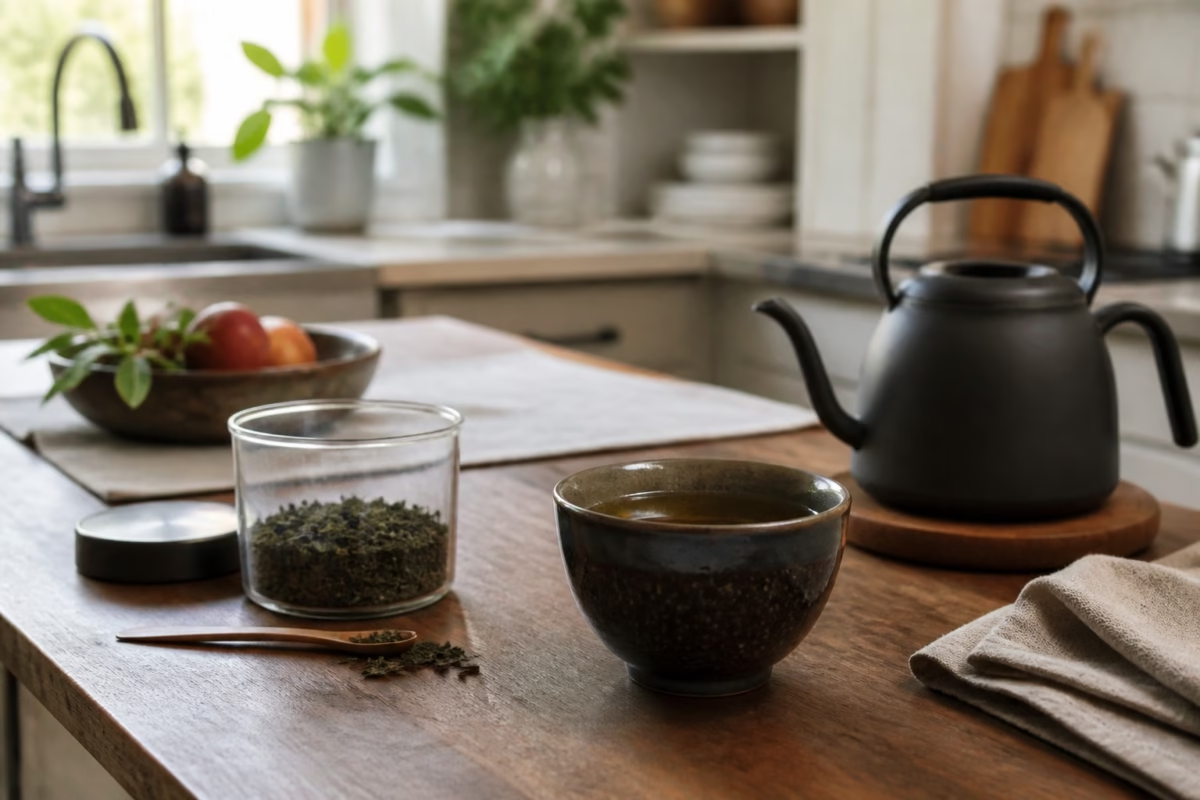
One of the first things many people notice about Jianzhan is the feeling of weight.
Not heavy in an uncomfortable way.
Grounded.
The warmth settles into your palms while the dark glaze quietly reflects shifting light beneath the tea surface.
Steam rises slowly against the black glaze.
Silver oil spots appear briefly under morning light.
The clay stays warm even after the tea is gone.
It doesn’t demand attention loudly.
But over time, it becomes the cup you instinctively keep returning to.
Clay slows the modern world down
One reason handmade clay tea cups resonate so strongly today is because modern life rarely allows stillness anymore.
Everything moves quickly:
- notifications
- meetings
- screens
- endless scrolling
A handmade clay cup introduces friction in the best possible way.
It asks you to slow down for a few minutes.
To sit with warmth instead of rushing toward the next thing.
For many tea lovers, this is why tea gradually becomes less about caffeine and more about ritual.
A gift that feels personal without saying too much
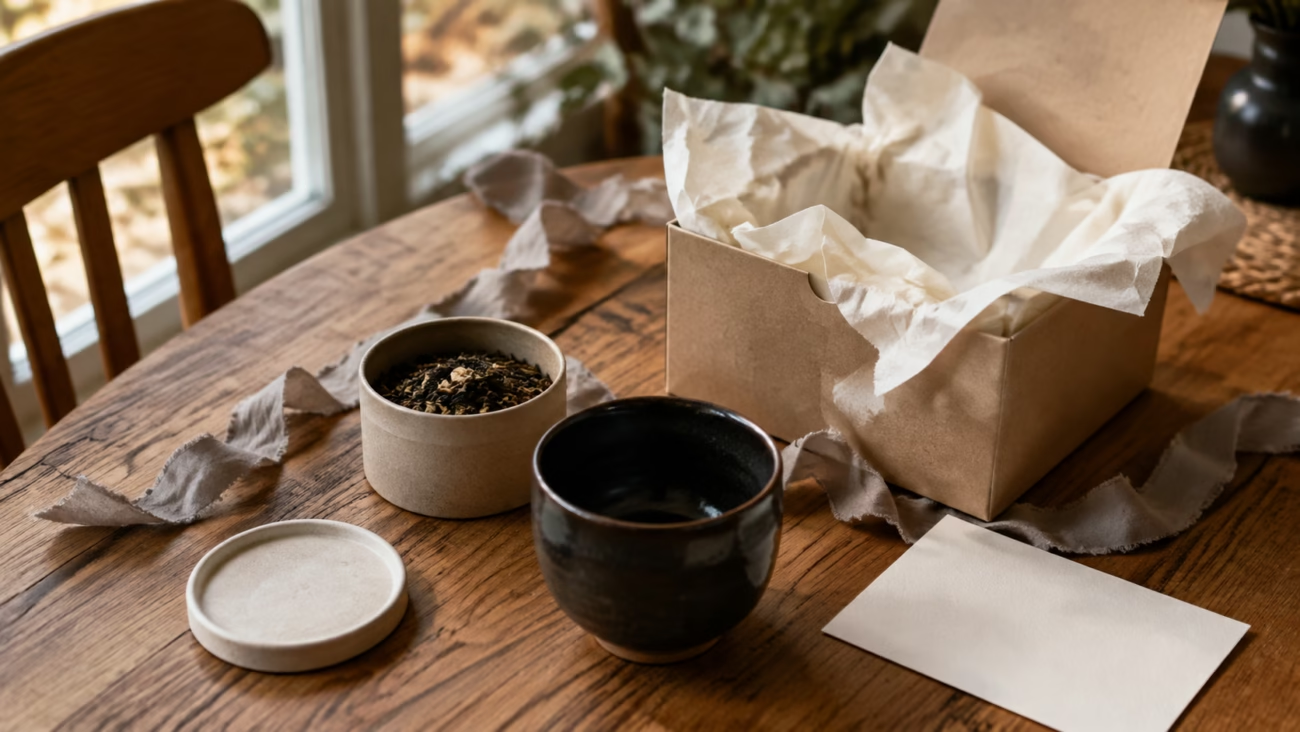
Interestingly, many people now buy handmade tea cups not only for themselves, but as gifts.
Not flashy luxury gifts.
Not decorative objects meant to sit untouched on shelves.
But deeply personal objects people actually live with every day.
A handmade Jianzhan cup feels less like “tableware” and more like a quiet gesture:
- a slower morning
- a calmer evening
- a small pocket of silence in a noisy world
That’s what makes it such a meaningful gift for tea lovers, creatives, and people overwhelmed by modern life.
[Sensory Note]
One of the most underrated qualities of handmade clay tea cups is how they create a quieter emotional atmosphere.
The warmth, texture, and slower pacing subtly shift tea from simple consumption into something more grounding.
Not dramatic.
Just deeply calming in a way modern drinkware rarely feels.
Why Jianzhan feels different from ordinary clay cups
Not all clay tea cups create the same experience.
Jianzhan stands out because of:
- its dense iron-rich clay body
- high-temperature firing
- deep glaze complexity
- subtle visual depth under changing light
The result feels less rustic than many traditional clay cups and more immersive — balancing raw texture with quiet refinement.
That balance is part of what makes Jianzhan feel timeless.
So… why do tea lovers slowly move toward clay?
Because over time, tea becomes less about drinking quickly and more about how the ritual feels.
And clay changes that feeling.
Especially handmade clay.
Especially Jianzhan.
Explore Handmade Jianzhan Tea Cups
Explore our curated collection of handcrafted Jianzhan (Tenmoku) tea cups designed for slower rituals, tactile warmth, and quiet everyday living.
👉 Shop the Collection