
Blog
Why Do Chinese Tea Cups Look So Different? — A Closer Look at Jianzhan

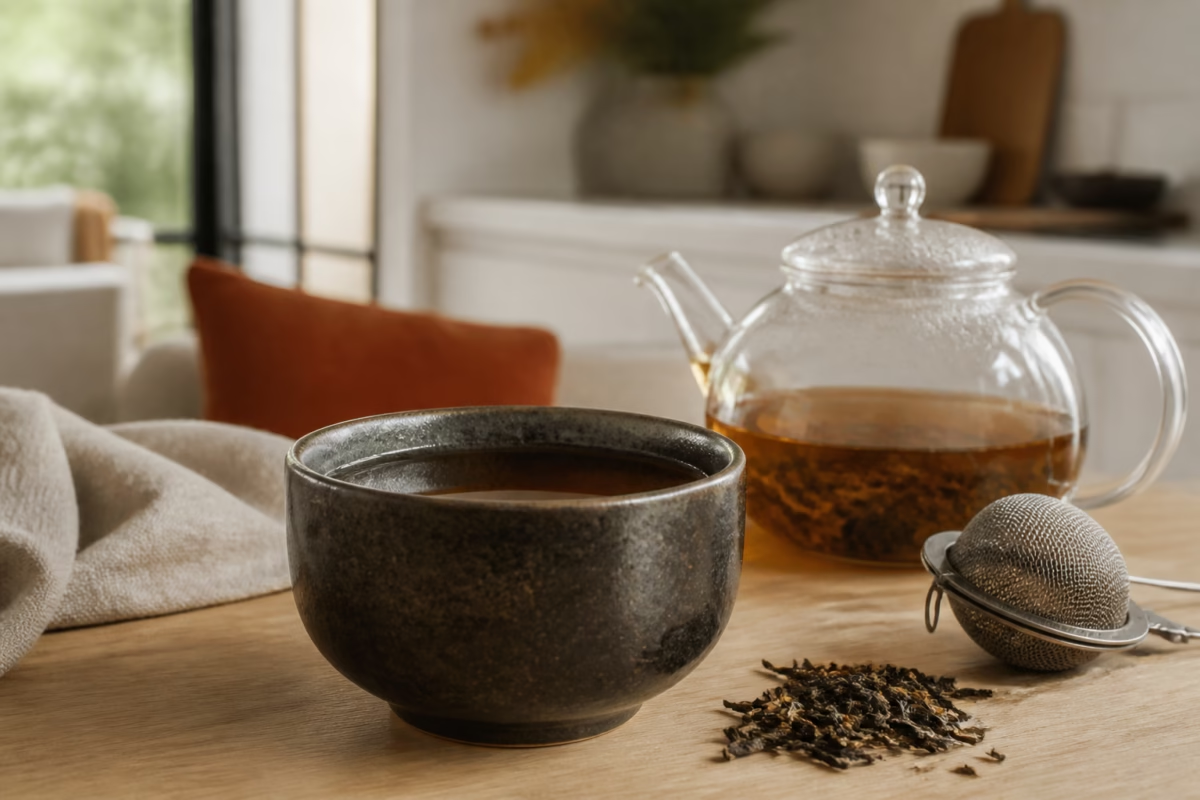
Not all tea cups are designed with the same philosophy
If you compare traditional Chinese tea cups to most modern Western cups, the difference is immediately noticeable.
Some are smaller.
Some feel heavier.
Some have dark glazes instead of bright white surfaces.
Others look almost imperfect compared to mass-produced ceramics.
At first glance, they can seem unusual — especially to people used to minimalist porcelain or transparent glass.
But these differences aren’t random.
Traditional Chinese tea cups were shaped around the experience of tea itself:
- temperature
- aroma
- texture
- atmosphere
- ritual
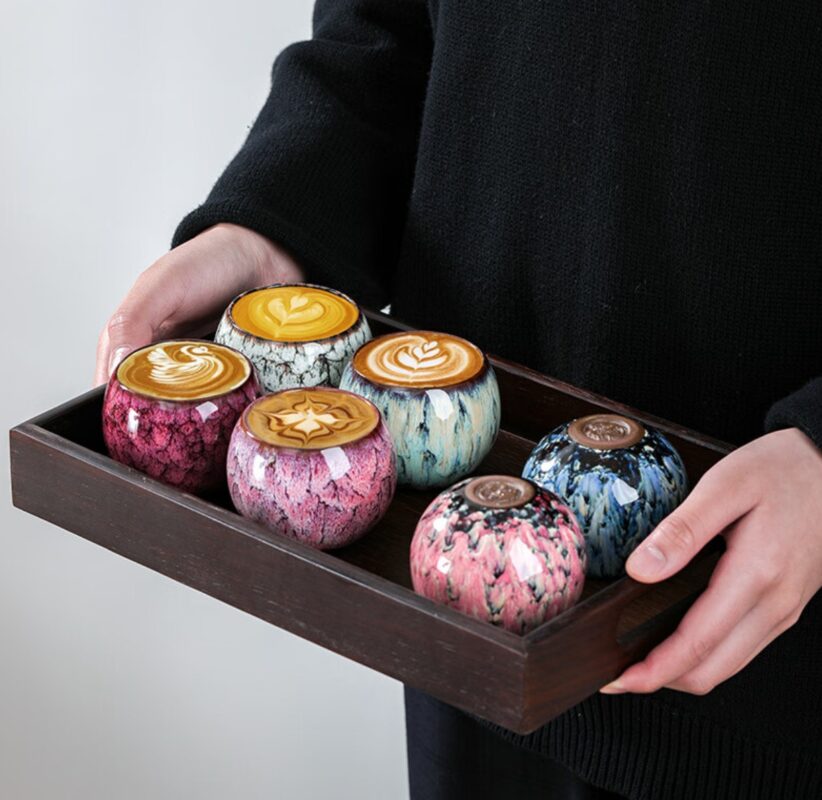
And among these traditional tea cups, few feel more distinctive than Jianzhan, also known as Tenmoku.

Why many Chinese tea cups are smaller
One of the first things people notice is size.
Traditional Chinese tea cups are often much smaller than modern mugs or café cups.
That’s intentional.
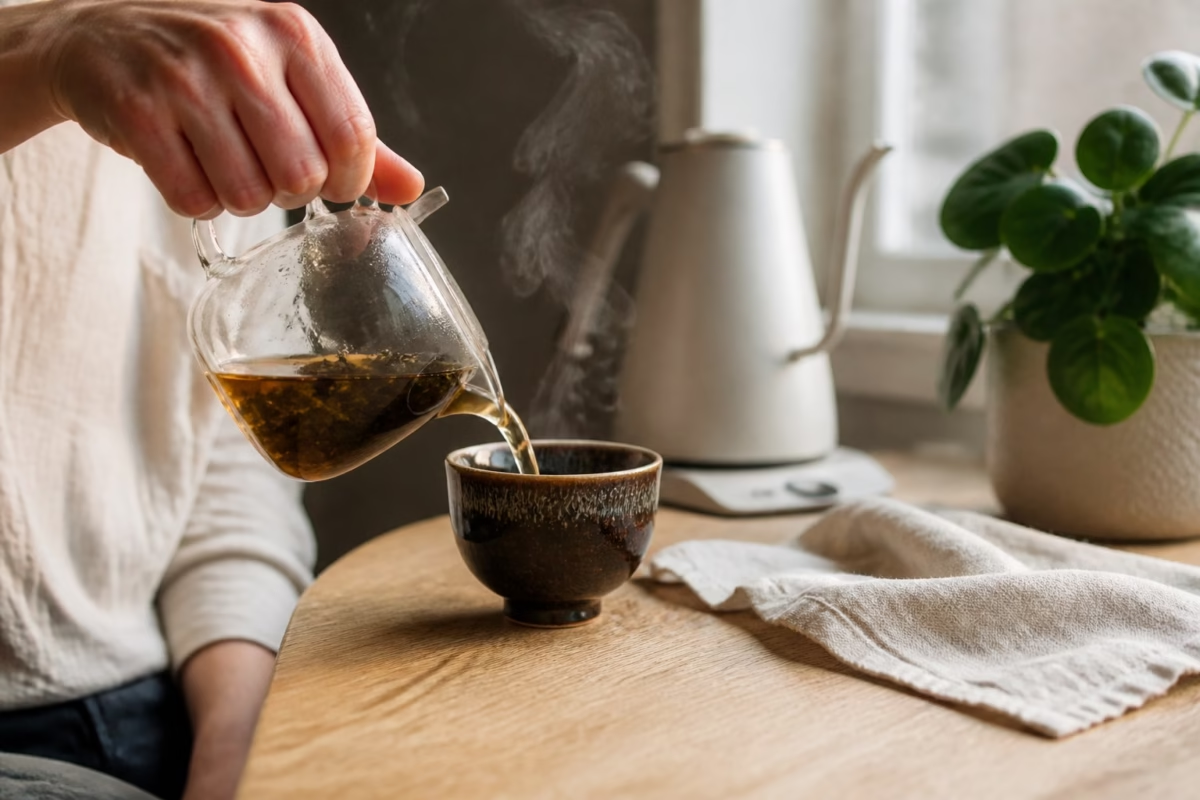
Chinese tea culture tends to focus less on drinking large quantities quickly and more on experiencing tea slowly through multiple infusions.
Smaller cups help:
- preserve temperature
- concentrate aroma
- encourage slower drinking
The goal isn’t simply hydration.
It’s attention.

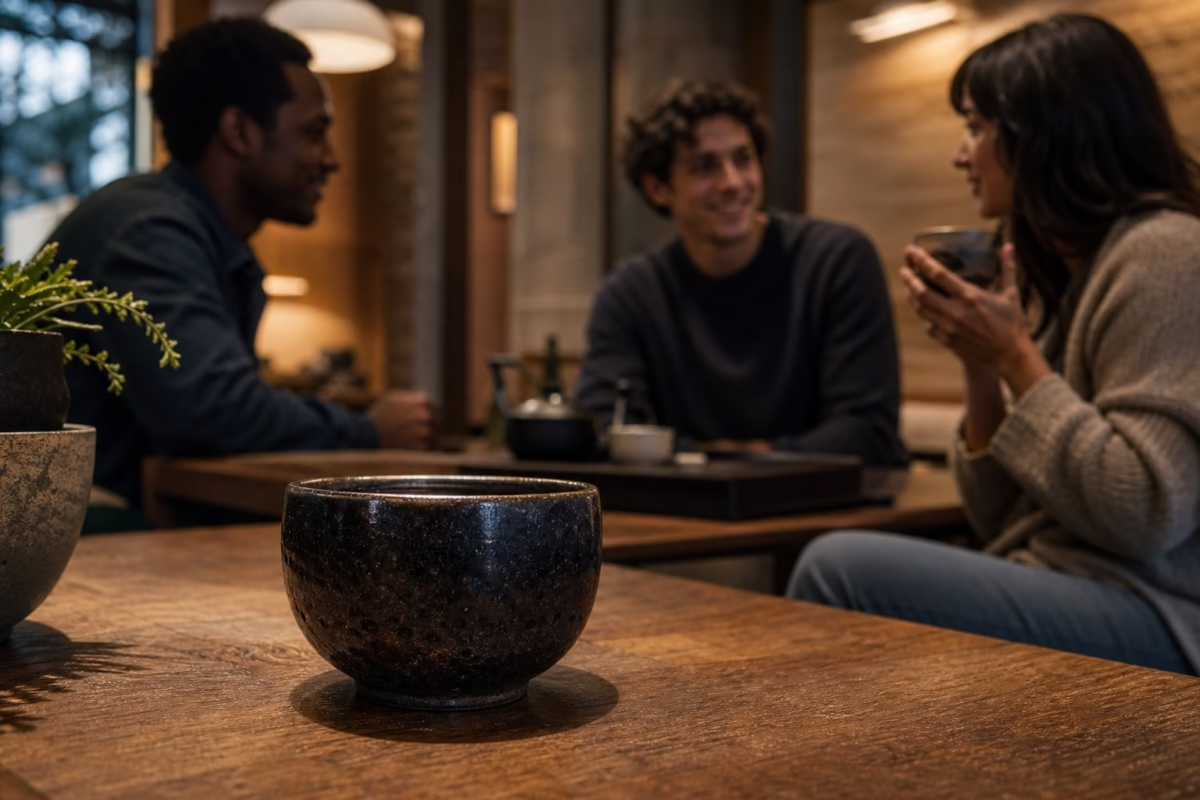
Why traditional Chinese tea cups use darker glazes
In Western ceramics, lighter colors are often associated with cleanliness and simplicity.
Traditional Chinese tea ceramics evolved differently.
Dark glazes became popular partly because they interact beautifully with tea under light.
This is especially true for Jianzhan tea cups.
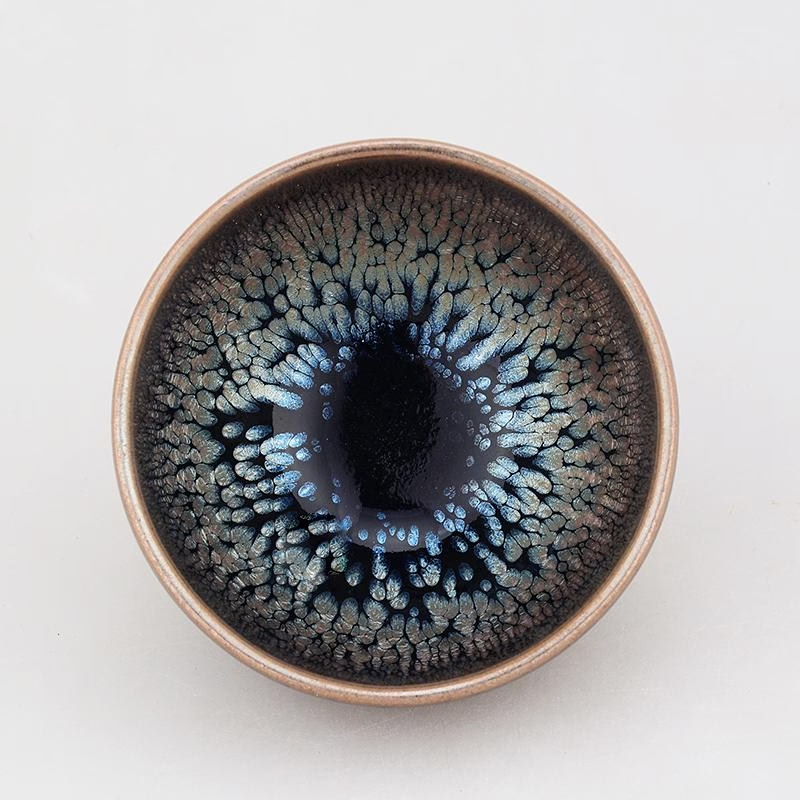
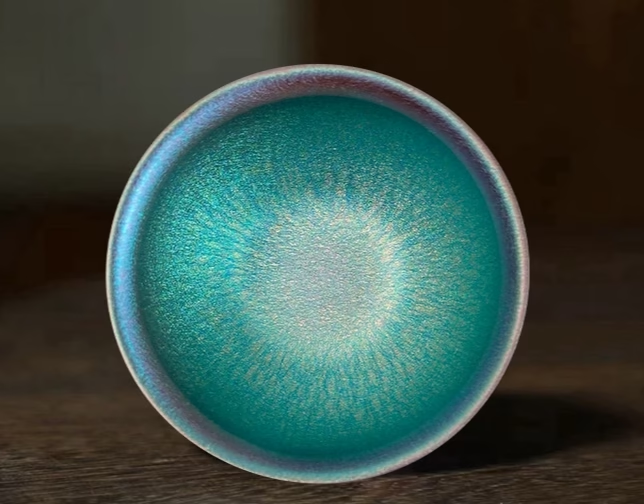
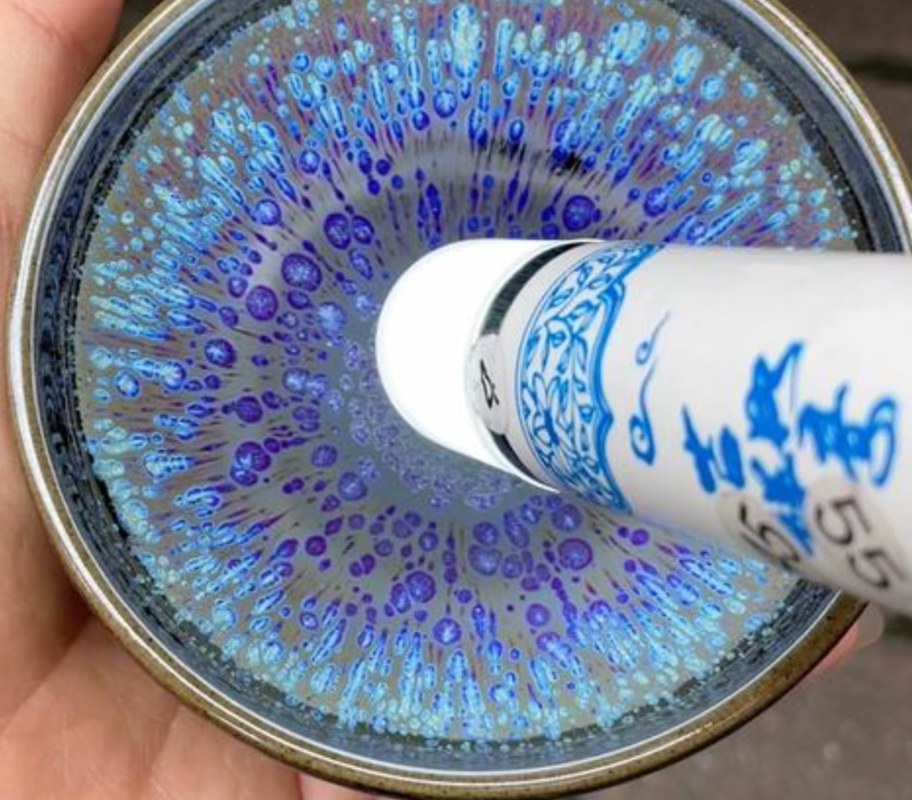
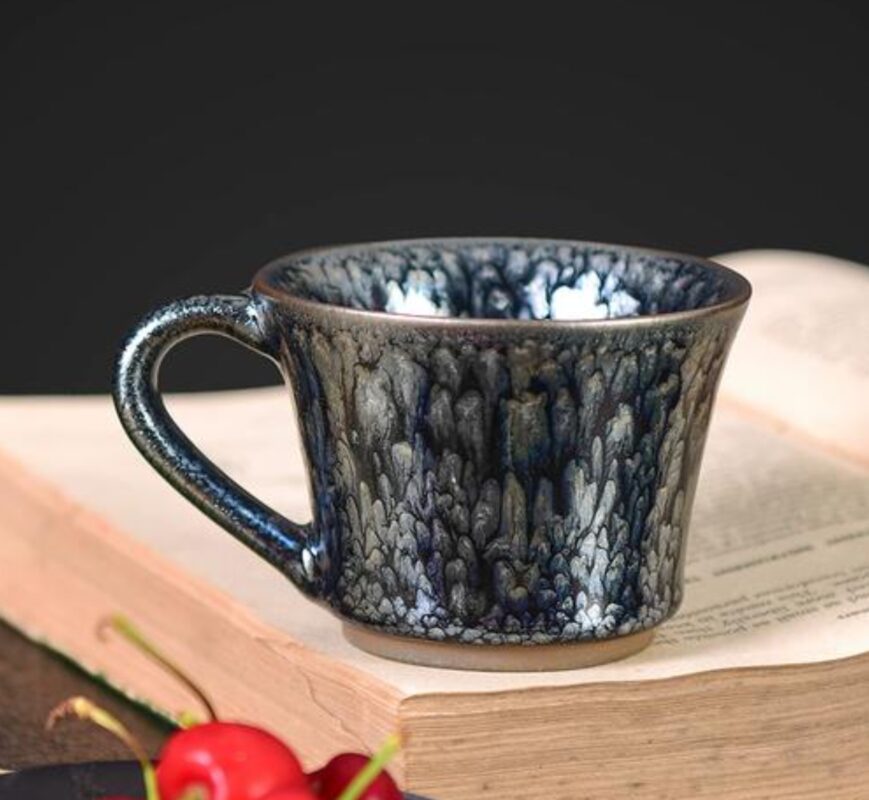
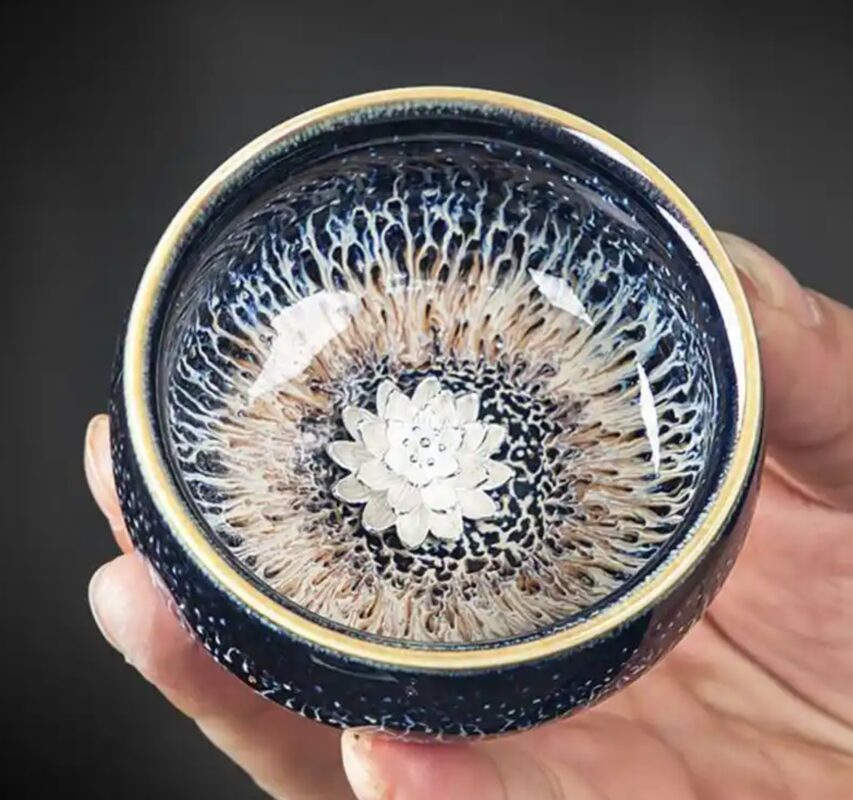
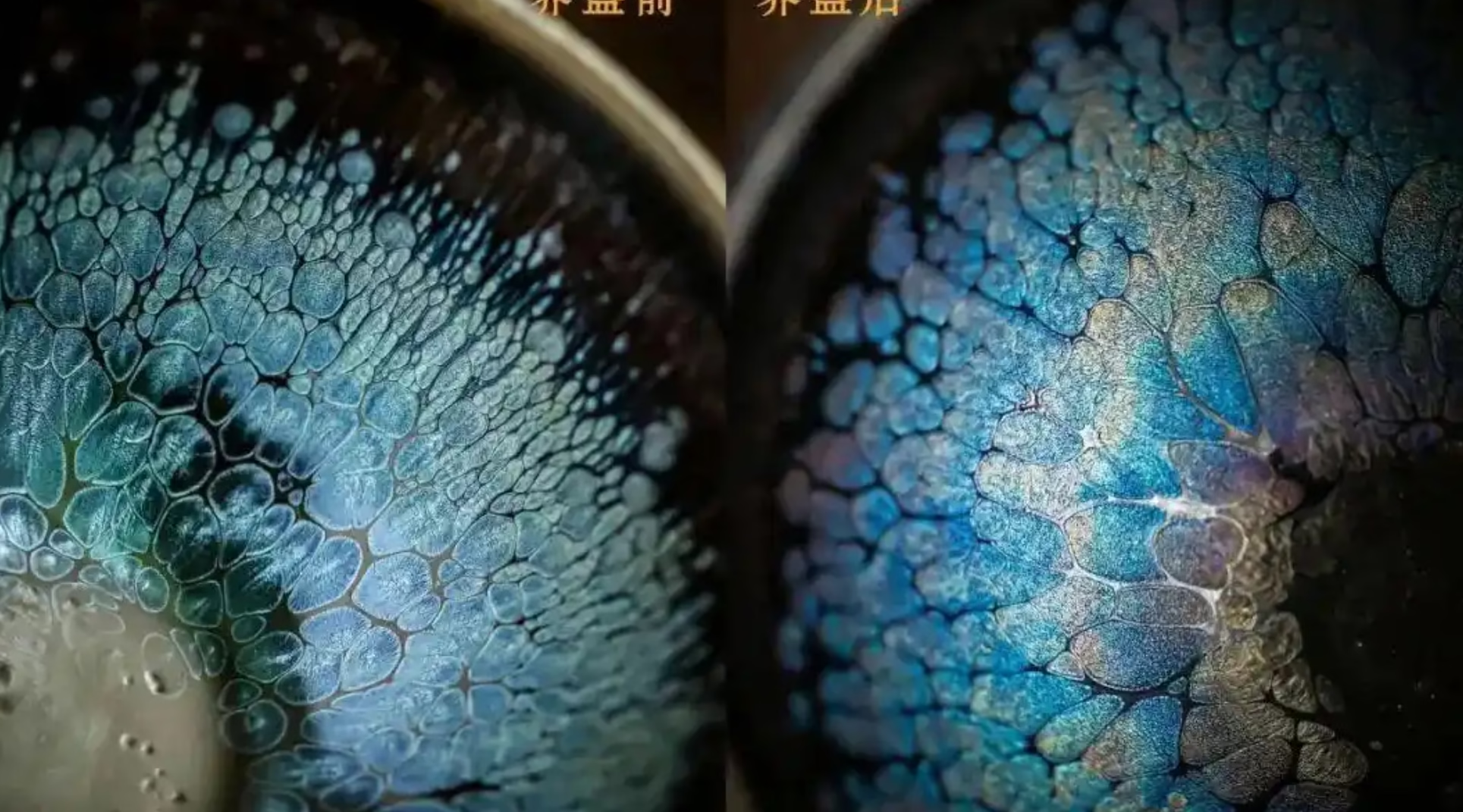
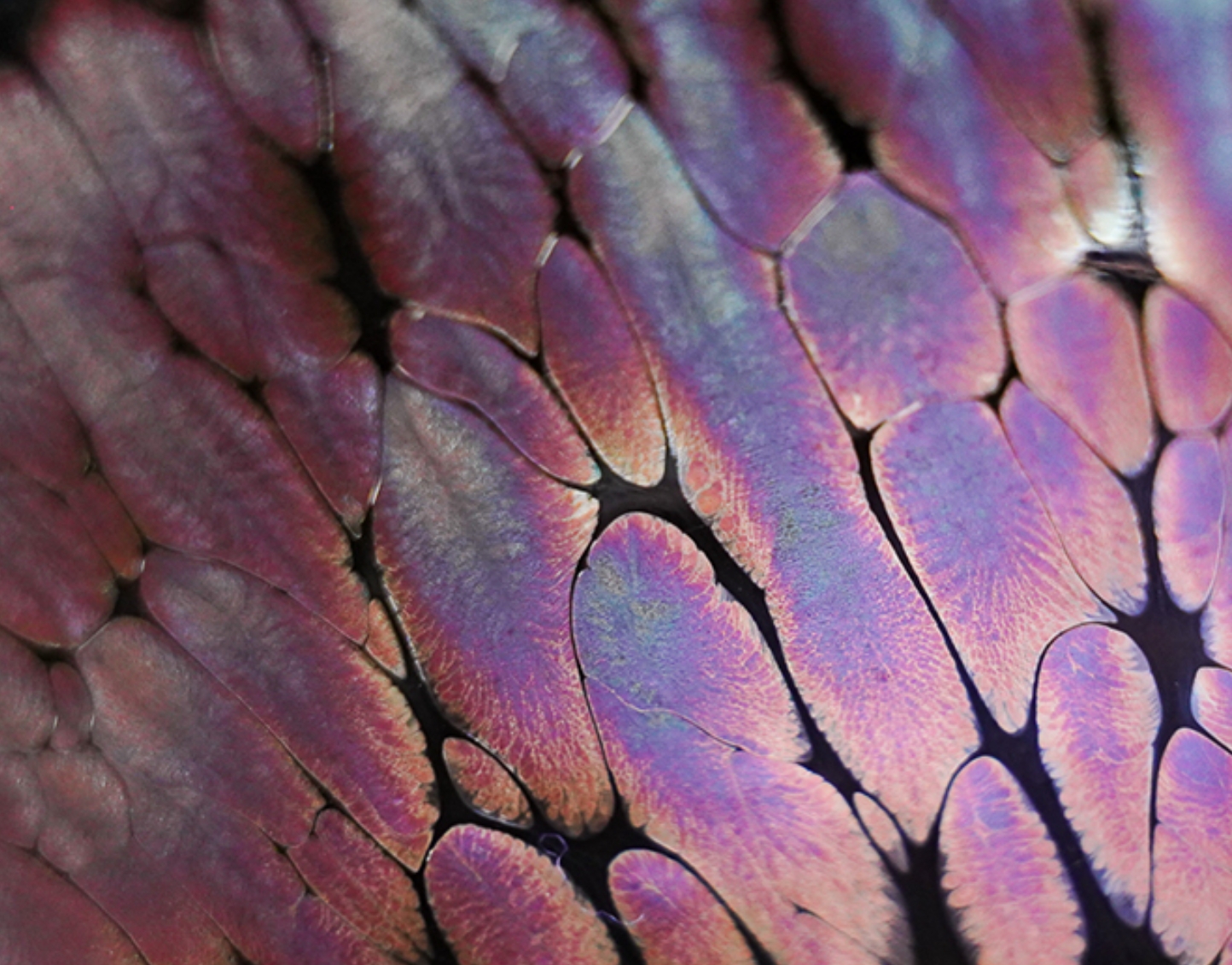
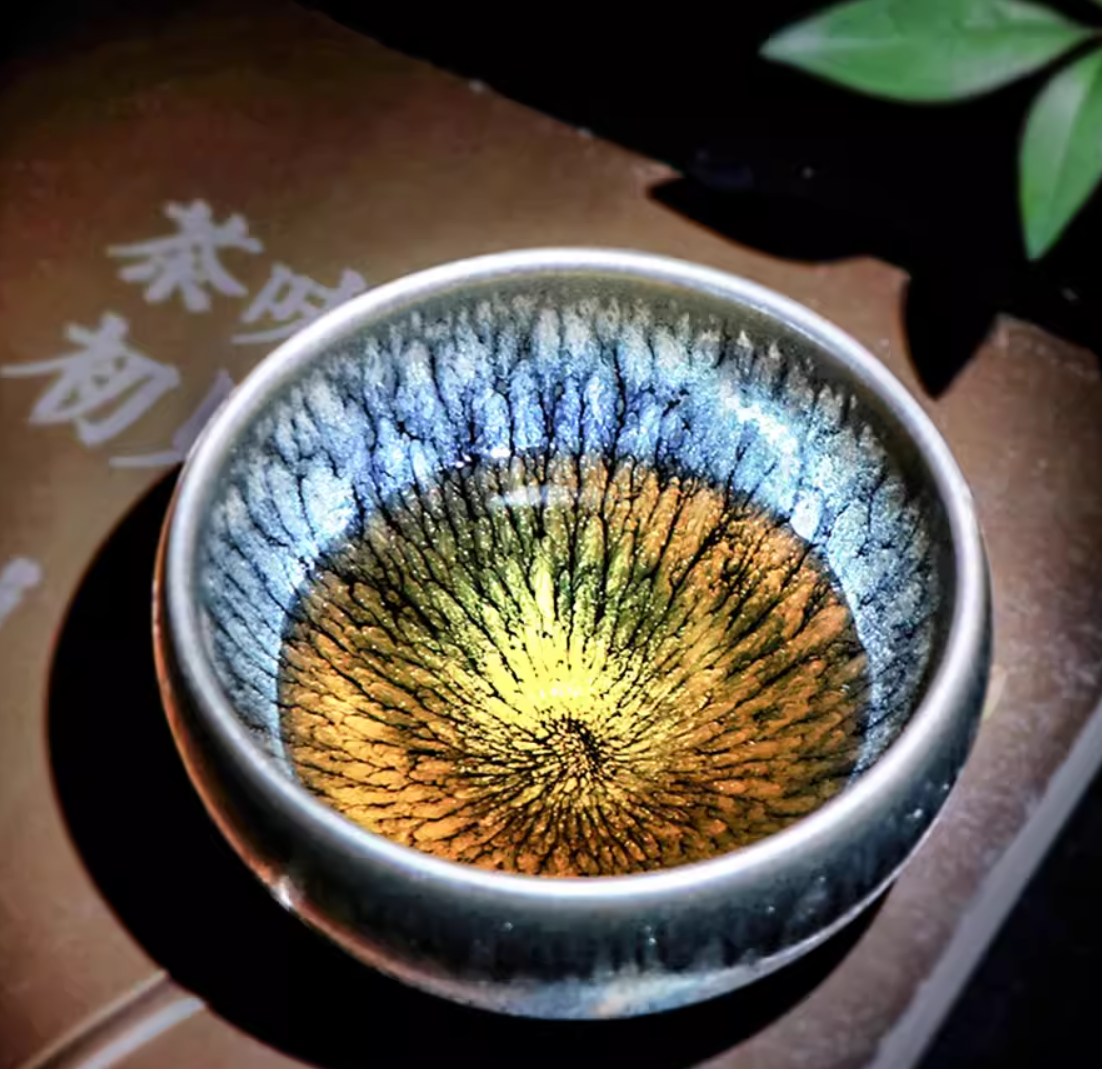
The famous black and oil-spot glazes create strong visual contrast with tea liquor, making the surface feel deeper and more dimensional.
As tea moves inside the cup, reflections begin to appear beneath the glaze — something clear glass or plain porcelain rarely creates.
The cup becomes part of the visual experience itself.
The history behind Jianzhan (Tenmoku)
Jianzhan originated during the Song Dynasty in China over 1,000 years ago.
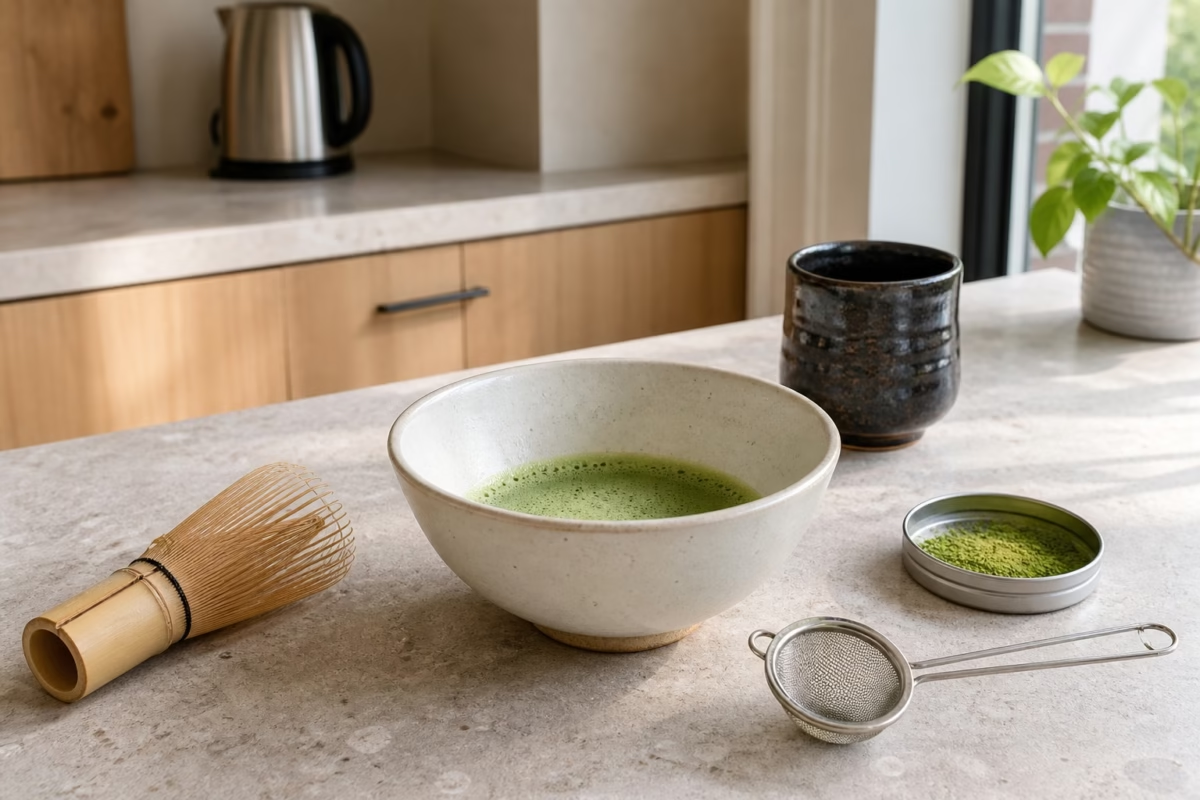
Originally, these tea bowls were prized for tea competitions and ceremonial tea preparation because their dark surfaces highlighted the texture and color of whisked tea beautifully.
But what makes Jianzhan especially fascinating today isn’t just history.
It’s the craftsmanship.
Traditional Jianzhan cups are made from iron-rich clay and fired at temperatures reaching over 1300°C.
During firing, natural kiln variation creates unpredictable glaze effects:
- oil spots
- hare’s fur streaks
- metallic textures
- deep blue undertones
No two cups ever emerge exactly the same.
Why handmade Chinese tea cups feel different
Many modern cups prioritize visual perfection.
Handmade Chinese tea cups often prioritize feeling.
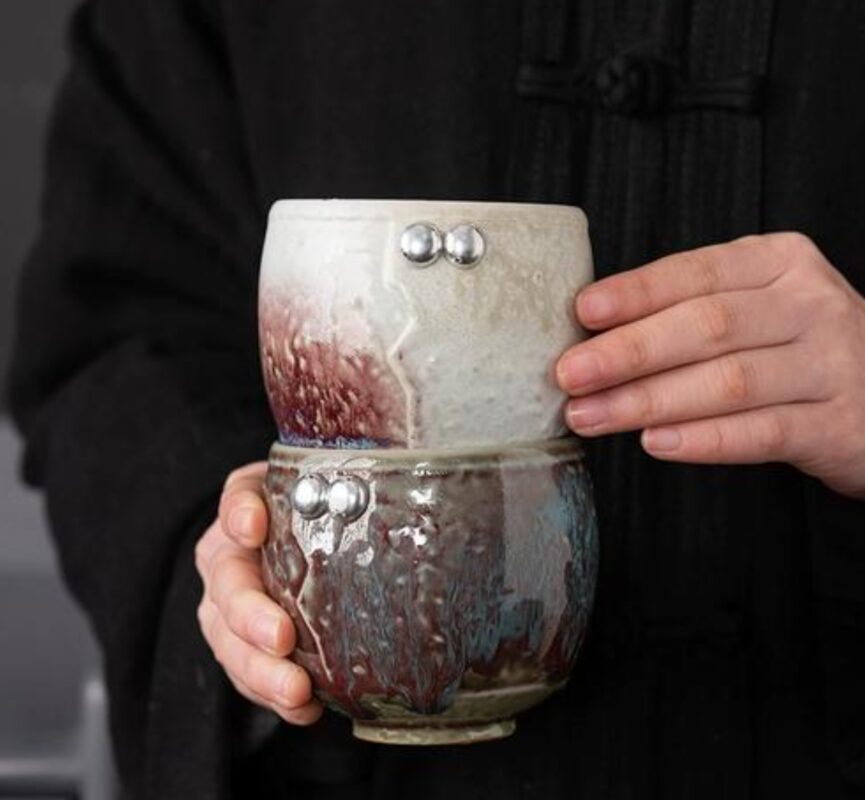
Slight asymmetry, texture variation, or kiln marks are not necessarily considered flaws.
In many ways, they become part of the object’s personality.
This idea connects closely with the philosophy of Wabi-Sabi — appreciating things that feel natural, imperfect, and quietly authentic.
That’s part of why handmade Jianzhan cups feel so different from factory-produced ceramics.
They don’t feel sterile.
They feel alive.

[CURATED PICK] — The Quiet Presence of Jianzhan
Some objects demand attention immediately.
Jianzhan doesn’t.
Its appeal appears slowly:
- the warmth of the clay
- the depth beneath the glaze
- the changing reflections under light
- the feeling of weight in your hands
The more time you spend with it, the more details you begin noticing.
That understated presence is what makes Jianzhan feel less like a decorative object and more like part of a daily ritual.
Why tea lovers still prefer traditional tea cups today
Even in modern tea culture, many people continue returning to traditional handmade tea cups for one reason:
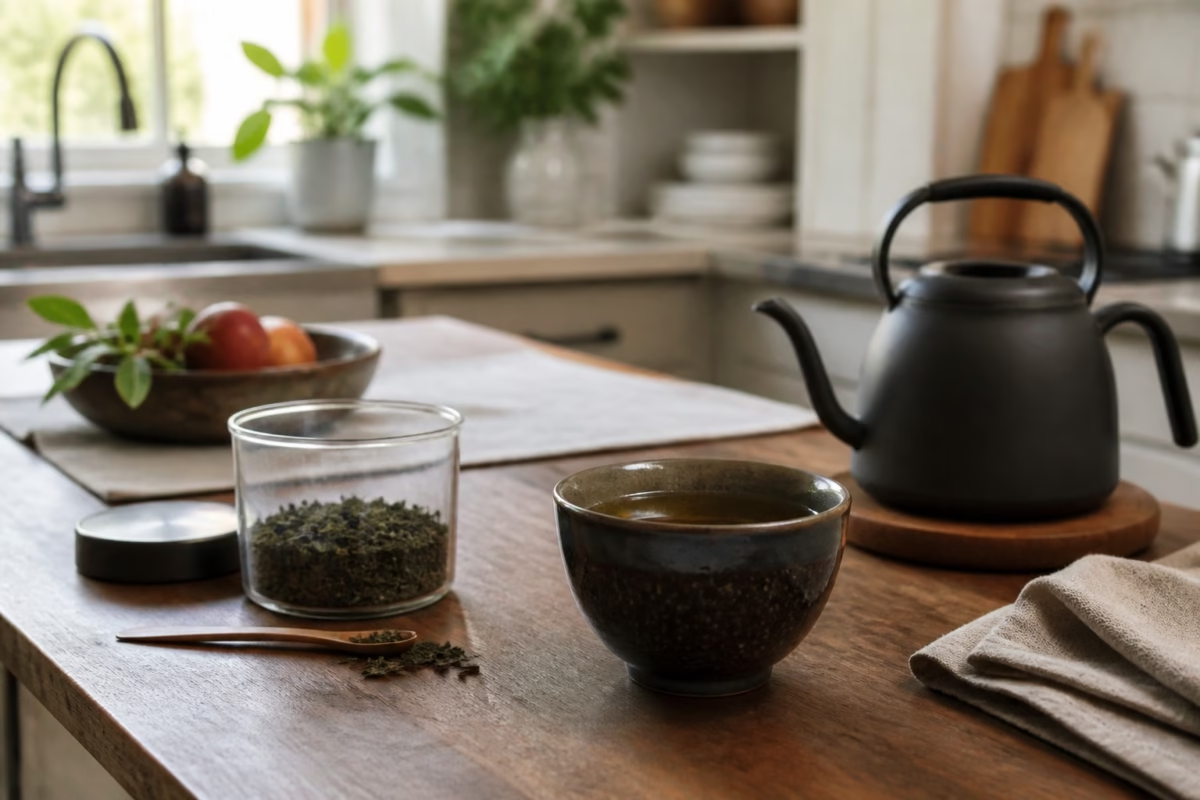
They create atmosphere.
Tea somehow feels:
- calmer
- slower
- more intentional
And while modern cups often prioritize convenience, traditional tea cups prioritize sensory experience.
That difference changes how tea feels over time.
[Craft Detail]
The exposed clay base beneath many Jianzhan tea cups reveals the dense, iron-rich material underneath the glaze — one of the hallmarks of authentic Tenmoku craftsmanship.
For many collectors, these subtle handmade details become just as meaningful as the glaze itself.
So… why do Chinese tea cups look so different?
Because they were never designed to be ordinary drinking cups.
They were designed around the ritual of tea:
- how it tastes
- how it feels
- how it slows time down
And once you experience that difference firsthand, it becomes easier to understand why handmade tea cups like Jianzhan have remained relevant for over a thousand years.
Explore Handcrafted Jianzhan Tea Cups
Explore our curated collection of handcrafted Jianzhan (Tenmoku) tea cups designed for modern tea rituals, quiet luxury, and intentional daily living.
👉 Shop the Collection