
Blog
Tea Mocktails and the New Happy Hour in America

A raspberry herbal infusion is probably not the first ingredient you associate with the U.S. Open. Yet in Good Housekeeping’s August 30, 2026 Honey Deuce mocktail, strongly brewed Raspberry Zinger helps build a zero-proof version of the tournament’s familiar drink. The herbal base gives the drink a flavor of its own, beyond simply leaving out the vodka.
That is a useful way to think about tea mocktails. They are alcohol-free mixed drinks built with brewed tea—or, in the case of hibiscus and other botanicals, an herbal infusion. Tea supplies flavor before the juice, bubbles, or garnish arrives.
They also suit a happy hour that has room for more than one kind of order. Nobody needs to announce a new identity to choose a nonalcoholic drink. Sometimes an Earl Grey citrus tonic is simply what sounds good.
Below are three straightforward drinks to make at home, along with a closer look at what current American beverage research actually says.
Happy Hour Is No Longer One Kind of Drink
Gallup’s August 2026 report found that 54% of U.S. adults say they drink alcohol, matching the previous year’s lowest reading in its series dating to 1939. The findings came from July telephone interviews with 1,200 adults aged 18 and older.
The same survey found that 17% had consumed nonalcoholic beer, wine, or spirits instead of an alcoholic drink at some point during the past year. That is a specific measure of those alternatives, not a count of tea drinkers. Nor does the 54% figure mean everyone else identifies as sober.
Tea’s connection is more direct in Datassential’s 2026 beverage analysis. Under its “Teatime is the New Happy Hour” theme, the firm reports tea consumption at happy hour among 23% of Gen Z consumers. It is evidence of participation in a drinking occasion, not proof that those consumers have replaced alcohol with tea.
There is a wider appetite for going out just for a drink, too. In its August 25 beverage report announcement, the National Restaurant Association says 37% of consumers make beverage-only purchases at least weekly; afternoon is the most popular time. These are restaurant purchasing findings, not statistics about home mocktail making.
For a café or restaurant, that leaves space for an intentional nonalcoholic order alongside cocktails, coffee, lemonade, and craft soda. For the customer, it makes a three-o’clock meetup easier to imagine without making alcohol the organizing principle. The appeal overlaps with the afternoon tea occasion: a different part of the day can call for a different drink.
Gen Z Is More Complicated Than “The Sober Generation”
One statistic should make anyone cautious about that label. Morning Consult’s July 2026 analysis reports that weekly-or-more drinking at bars and restaurants among Gen Z adults aged 21 and older rose from about 26% to 32%, comparing its late-2024 and mid-2026 tracking periods.
Over the same period, adoption of low- and no-alcohol beer also increased. Morning Consult interprets this as adding alternatives alongside alcohol, rather than a simple substitution. Its age-controlled analysis further distinguishes a cohort getting older from changes in drinking frequency.
That does not contradict Gallup’s national snapshot: the surveys use different questions, populations, and time comparisons. Neither tells us that every young adult behaves the same way.
The practical takeaway is less dramatic than a generational label. Someone can order a cocktail on Friday and a tea spritz on Saturday. A menu that accommodates both has understood the occasion. It does not need to pass judgment on the person holding the glass.
What Tea Contributes Besides Color
A drink made mainly from juice and sparkling water can be pleasant, but the flavor often ends where the sweetness ends. Brewed tea introduces another layer: floral aroma, roasted notes, bitterness, or a drying sensation, depending on the leaves and how they are prepared.
Bitterness and astringency are different. One is a taste; the other is the puckering or drying sensation you may notice in your mouth. In moderation, those qualities can keep fruit and syrup from dominating. Excessive bitterness still makes an unpleasant drink.
Tea does not reproduce alcohol’s warmth or behave exactly like a spirit. It does not have to. A jasmine-and-pear drink can succeed as itself rather than as an imitation of gin.
Black tea is an easy starting point
Many black teas have enough body to remain noticeable with ice and a mixer. Assam can bring a malty character; Ceylon teas vary considerably but often work with citrus. Earl Grey already includes bergamot flavoring, so it supplies an aromatic citrus note before you squeeze a lemon.
Try black tea with orange, apple, berries, ginger, tonic, or soda water. Choose one direction first. A strongly flavored mixer does not usually need your rarest, most delicate tea.
Green and jasmine tea need more room
Cucumber, pear, mint, and a modest squeeze of lime leave space for lighter teas. Jasmine describes the scenting, not one universal tea type; check the base tea when deciding how to brew it.
Follow the package’s temperature and timing instead of treating every green tea alike. Harney & Sons’ brewing guide distinguishes green-tea preparation from black-tea preparation and notes exceptions even within broad categories. Leaving delicate leaves in hot water indefinitely is not a useful shortcut to a stronger mixer.
Herbal infusions offer a different palette
True tea comes from Camellia sinensis. Hibiscus, rooibos, mint, and other botanical infusions are commonly sold as “herbal tea” in America, although they are technically tisanes. That distinction matters more for ingredients and caffeine than for what you call your afternoon drink.
Hibiscus can bring tartness and ruby color. Rooibos offers a softer, woody direction that can suit apple or spice. Pure hibiscus and rooibos do not naturally contain caffeine, but a commercial blend may add caffeinated ingredients. Read the ingredient list rather than relying on a fruit picture on the box.
Brew for the Finished Drink
A normal cup of tea may become hard to notice after fruit juice, sparkling water, and melting ice join it. For a mixed drink, use a somewhat stronger brew. Increasing the amount of leaf or using an additional tea bag is often more useful than greatly extending the steep.
For the black-tea builds below, a practical starting point is two standard single-cup tea bags in one cup of water, using the tea maker’s recommended brewing temperature and time. Remove the bags, cool promptly, and refrigerate until cold. Larger sachets contain different amounts of leaf, so adjust accordingly.
Tea bags are fine here. Loose leaf offers more selection and control, but this is not an equipment exam. A measuring cup, a strainer if needed, and a spoon will handle most of the work.
Chill the tea before assembling the drink. Hot tea poured onto ice changes the intended dilution immediately. Add the carbonated ingredient last, stir gently, and do not shake a sealed container after adding bubbles.
Three Tea Mocktails to Make at Home
Treat these as starting proportions and adjust for the tea and mixers you use. Each makes one drink. All ounces below are U.S. fluid ounces; 4 ounces equals ½ cup. Use a 12–14-ounce glass to leave room for ice, and taste before adding any extra sweetness.
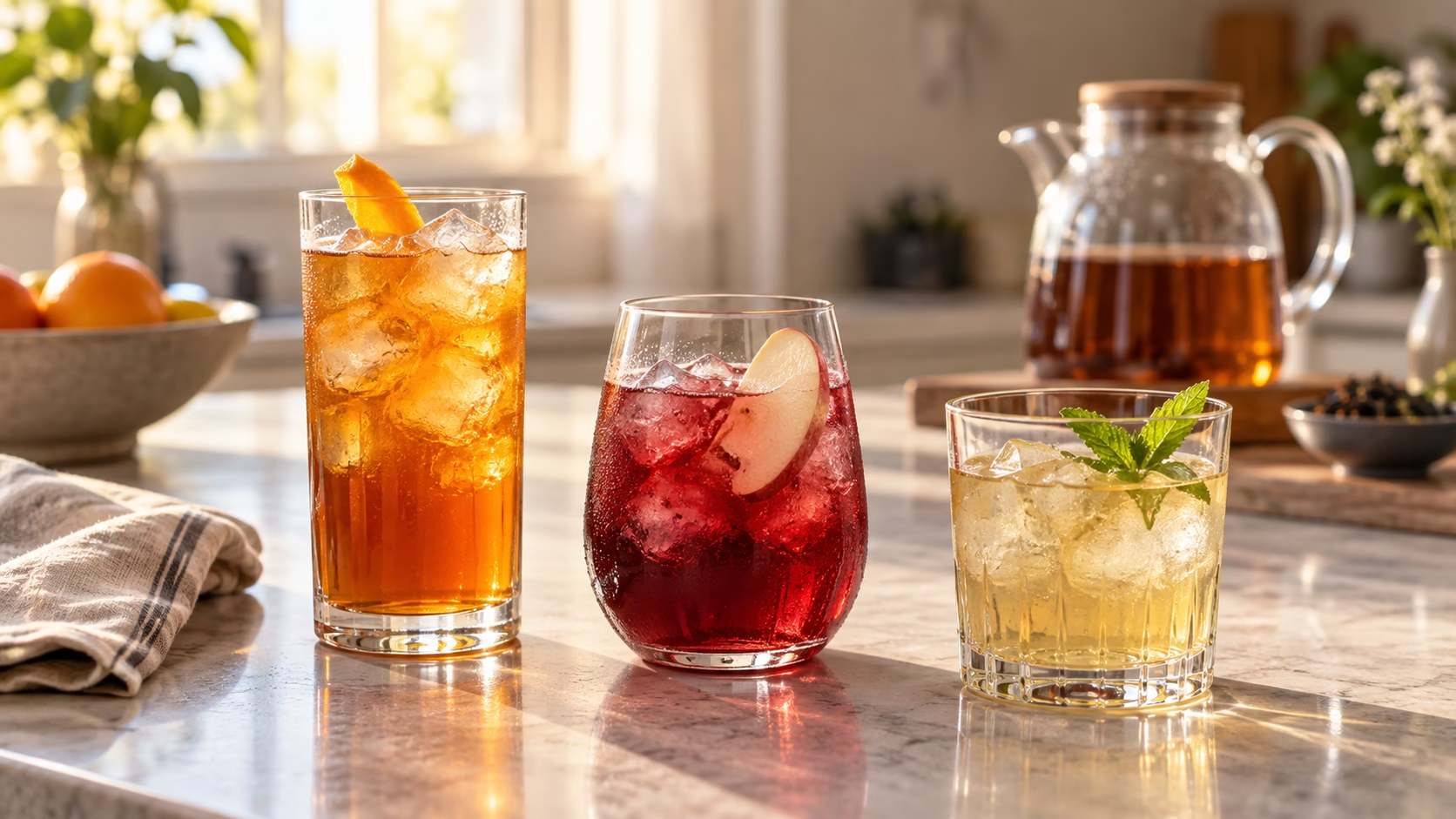
Earl Grey Citrus Tonic
Bergamot gives this drink its aromatic starting point. Regular tonic contributes sweetness as well as bitterness, so begin without syrup.
- 4 oz chilled, stronger-brewed Earl Grey tea
- 1 oz orange juice
- 2 oz chilled tonic water
- 1 small strip of orange peel
Fill the glass about halfway with ice. Add the tea and orange juice, then the tonic. Stir gently once or twice. Twist the peel over the glass and rest it against the ice.
If tonic’s bitterness is too much with your tea, replace half the tonic with sparkling water. If the tea is already harsh on its own, brew a fresh batch with a shorter steep within the maker’s guidance; more juice will not solve every brewing problem.
Hibiscus Apple Spritz
Here the herbal infusion supplies tartness, while apple adds fruit and sweetness. Start with plain hibiscus or an unsweetened hibiscus blend whose ingredients you have checked.
- 3 oz chilled hibiscus infusion
- 2 oz apple juice
- 2 oz chilled sparkling water
- 1 tsp lemon juice, optional
Brew the hibiscus according to its package, remove the botanicals, and chill. Stir the cold infusion and apple juice together over ice, then add sparkling water. Taste before adding the lemon: a tart hibiscus blend may not need it.
If the drink is too sharp, add another tablespoon of apple juice. If too sweet, add a little more infusion or sparkling water. The balance depends on the juice and blend, which is a good reason to make one glass before committing to a pitcher.
Spiced Chai Ginger Cooler
Masala chai belongs to South Asian tea traditions. This cold, sparkling build borrows a spiced-tea base; it is a contemporary mocktail, not a traditional preparation of chai.
- 4 oz chilled, stronger-brewed spiced black tea, without milk or sugar
- 2 oz chilled nonalcoholic ginger ale
- 1 oz chilled sparkling water
- 1 tsp lemon juice
Use a packaged spiced black tea blend and the stronger-brew approach above. Pour the chilled tea and lemon juice over ice, then gently stir in the ginger ale and sparkling water.
Use brewed tea rather than a sweetened café-style chai concentrate: those concentrates vary widely in sugar and strength. Keeping this version milk-free also avoids combining a dairy base with lemon. If ginger overwhelms the tea, replace some ginger ale with sparkling water in the next glass.
A Better Mocktail Does Not Need Ten Ingredients
The three builds have deliberately short shopping lists. Tea already does some of the work that a long list of syrups and botanical extracts would otherwise do.
A useful way to improvise is to think about a tea base, a little acidity, something fruity or aromatic, and enough dilution. It is a starting point, not a rule. Hibiscus may supply sufficient acidity already; Earl Grey may need no additional herb.
Change one ingredient at a time. If a drink tastes thin, reduce the mixer or strengthen the next brew. If the aroma disappears, simplify the garnish. Adding another flavored syrup is not always the answer.
And keep the claims modest. Juice, syrup, and tonic can all add sugar. An alcohol-free drink is another flavor option, not automatically a health product. Black tea and green tea generally contain caffeine, as does matcha. For guests avoiding caffeine later in the day, offer a clearly identified caffeine-free herbal version.
One Thoughtful Drink Is Enough for a Gathering
A host does not need to operate a miniature cocktail bar. One tea-based option, plain sparkling water, and whatever else you planned to serve can cover a lot of preferences.
Brew the tea earlier that day and keep it refrigerated in a covered container. You can measure a tea-and-juice base ahead, leaving ice and carbonation until serving. Label the base and its caffeine status, and keep a short ingredient list available for anyone who asks.
For four hibiscus spritzes, combine 12 ounces of chilled infusion with 8 ounces of apple juice. Divide over ice, then add 2 ounces of sparkling water to each glass. Let guests decide whether they want the optional lemon. This is easier to manage than leaving a full sparkling pitcher to lose its fizz.
It fits the approach behind our fall hosting ideas: make guests comfortable without turning every detail into a production. Offer the drink by its flavor, not by asking why someone is skipping alcohol.
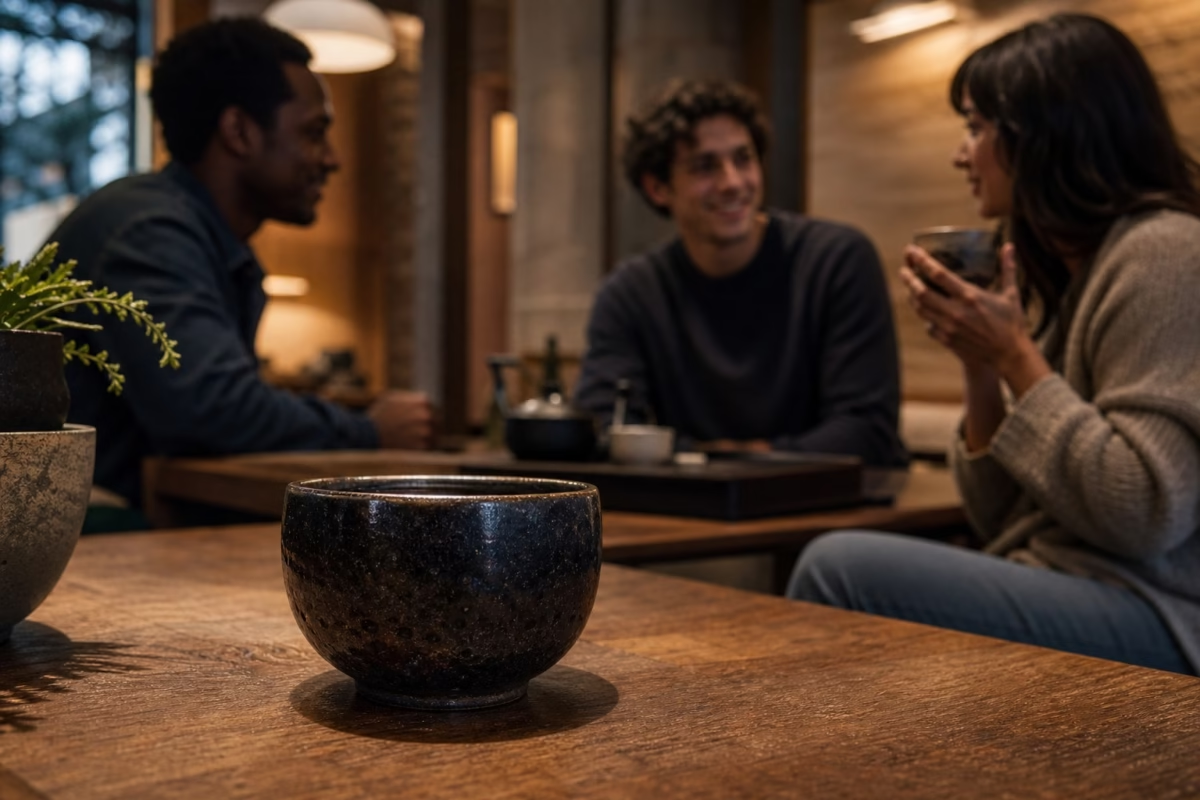
The same interest in meeting over something other than alcohol helps explain the appeal of tea houses as social spaces. The beverage gives people a reason to gather; it need not define the entire evening.
For These Drinks, Glassware Makes Sense
A highball accommodates ice and a longer drink. A roomy rocks glass suits a smaller pour, while a stemless or regular wine glass works well for a spritz. A coupe is better reserved for a smaller drink served without a glassful of ice.
Small traditional tea cups are usually less practical for these cold, carbonated builds. You need room to stir, enough capacity for dilution, and a shape that is comfortable to carry. Use the glassware you already own.
If mixing tea eventually makes you curious about drinking it straight, our guide to cups for loose-leaf tea covers that different routine. There is no need to buy a special vessel before trying a spritz.
For now, choose a tea whose flavor you like, chill it, and make one glass. Happy hour has room for that, too.