

Blog
Is Pumpkin Spice Losing Its Grip? Matcha and Chai Are Changing Fall Drinks in America

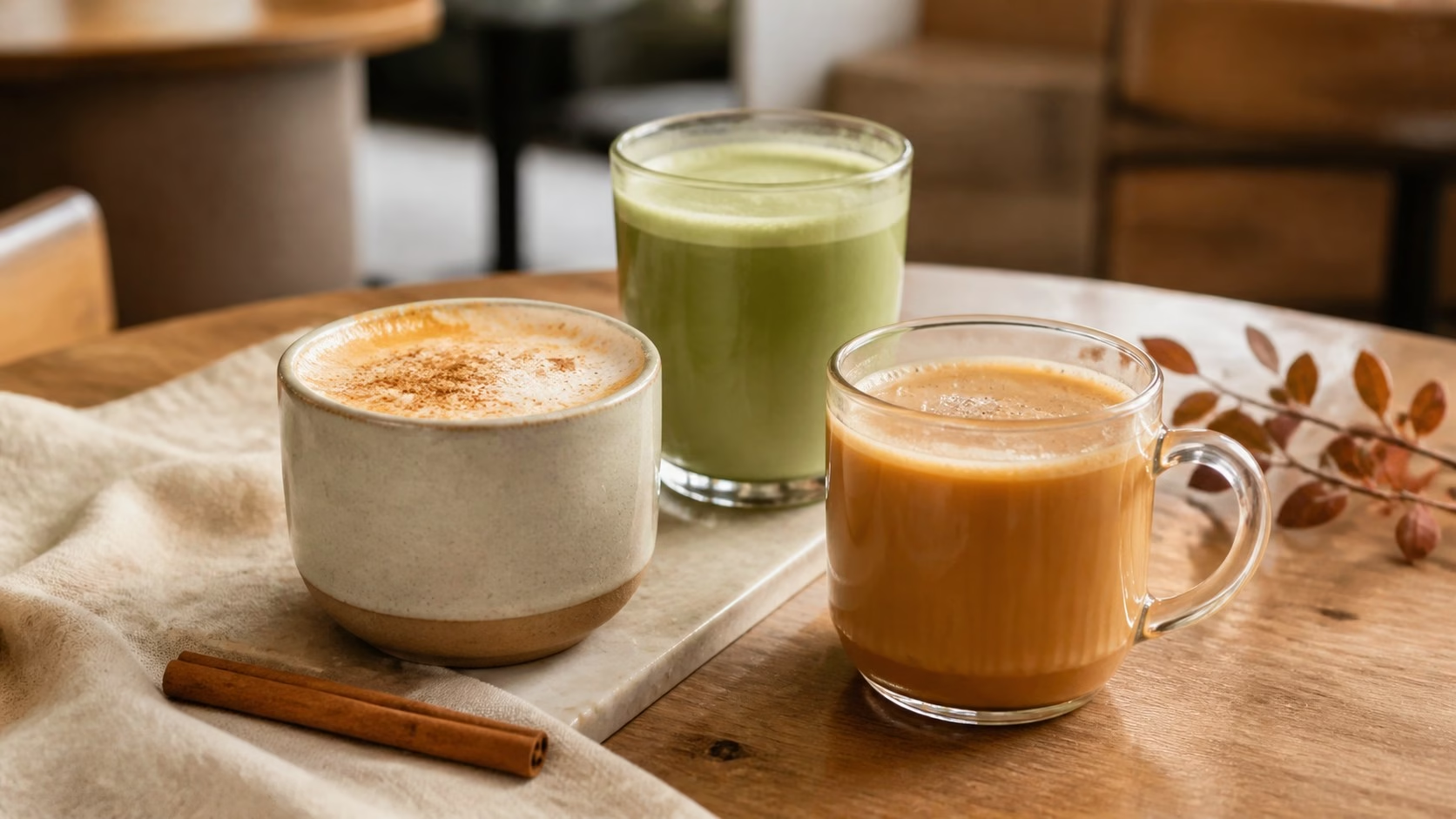
For more than two decades, American fall has had an unofficial starting gun: the return of the Pumpkin Spice Latte. The cups arrive before many cities feel a real chill. Café menus turn brown and orange. Social feeds begin their annual argument over whether pumpkin spice is comforting, overdone or both.
The opening of the 2026 fall drink season looked familiar, but the menu around it did not. Pumpkin shared the spotlight with green Matcha, spiced Chai, pecan, banana bread and cider-inspired drinks. Then came a striking pair of signals. Starbucks said its August 25 fall launch was the strongest in company history across the United States and Canada. At nearly the same moment, reported search and menu data showed Matcha and Chai attracting more attention.
Those facts are not mutually exclusive. Pumpkin Spice is still a commercial force. What may be ending is its monopoly on the American idea of a fall drink. The most interesting fall tea drinks are not replacing the PSL so much as giving the season more than one personality.
Pumpkin Spice May Be Becoming a Classic
The Pumpkin Spice Latte debuted in 2003, which makes it older than some of the customers now ordering it. Its annual return has been repeated long enough to become a calendar event—part product launch, part meme and part permission slip to begin fall before the weather cooperates.
That familiarity changes how trend data should be read. A new drink needs curiosity. A seasonal classic needs recognition. People do not have to search for the meaning of Pumpkin Spice every September; they already know what it represents.
On August 28, 2026, Starbucks said that August 25 had been its strongest fall launch day ever across the U.S. and Canada. That is a company statement, not an independent measure of the entire beverage market, but it makes one conclusion unavoidable: claims that Americans are “done” with Pumpkin Spice are premature.
A drink can lose some trend-chart dominance without losing cultural relevance. Pumpkin Spice may be moving into the same category as peppermint in December or lemonade in summer. It no longer has to feel new to feel seasonal.
The Fall Menu Has More Than One Personality Now
The bigger change is visible beside the PSL. Starbucks’ official 2026 fall lineup stretched seasonality across espresso, cold brew, Matcha and Chai. Along with the Pumpkin Spice Latte and Pumpkin Cream Cold Brew, it included an Iced Pumpkin Cream Matcha, Pumpkin Spice Chai, Iced Pumpkin Cream Shaken Espresso, pecan drinks, Iced Banana Bread Latte, Iced Banana Bread Chai and an iced cider-inspired Chaider.
The names matter less than the menu architecture. Fall flavor is no longer limited to pumpkin sauce plus espresso. It can be layered onto tea, served over ice, topped with cold foam or built around baking spice and fruit. One customer can want nostalgic pumpkin. Another can want the visual snap of green Matcha. A third can want Chai’s warmer spice profile.
That variety also reflects the role cafés now play as social spaces. As modern tea houses and hybrid cafés become “third places”, their menus do more than quench thirst. They offer a small, customizable way to participate in a season.
Matcha Changed What a Fall Drink Can Look Like
For years, the visual vocabulary of American fall drinks was cinnamon dust, whipped cream and a palette running from tan to orange. Matcha interrupts that picture. Its muted green is immediately recognizable on a crowded counter or a phone screen, especially next to the browns of espresso and pumpkin.
Color alone does not explain its growth. Matcha—a powdered Japanese green tea—already works across hot lattes, iced drinks, fruit pairings, flavored drinks and cream-topped café creations. It can accept a seasonal layer without surrendering its year-round identity. A pumpkin-topped Matcha is still recognizably Matcha in a way that many limited-edition drinks are not recognizable once their seasonal syrup disappears.
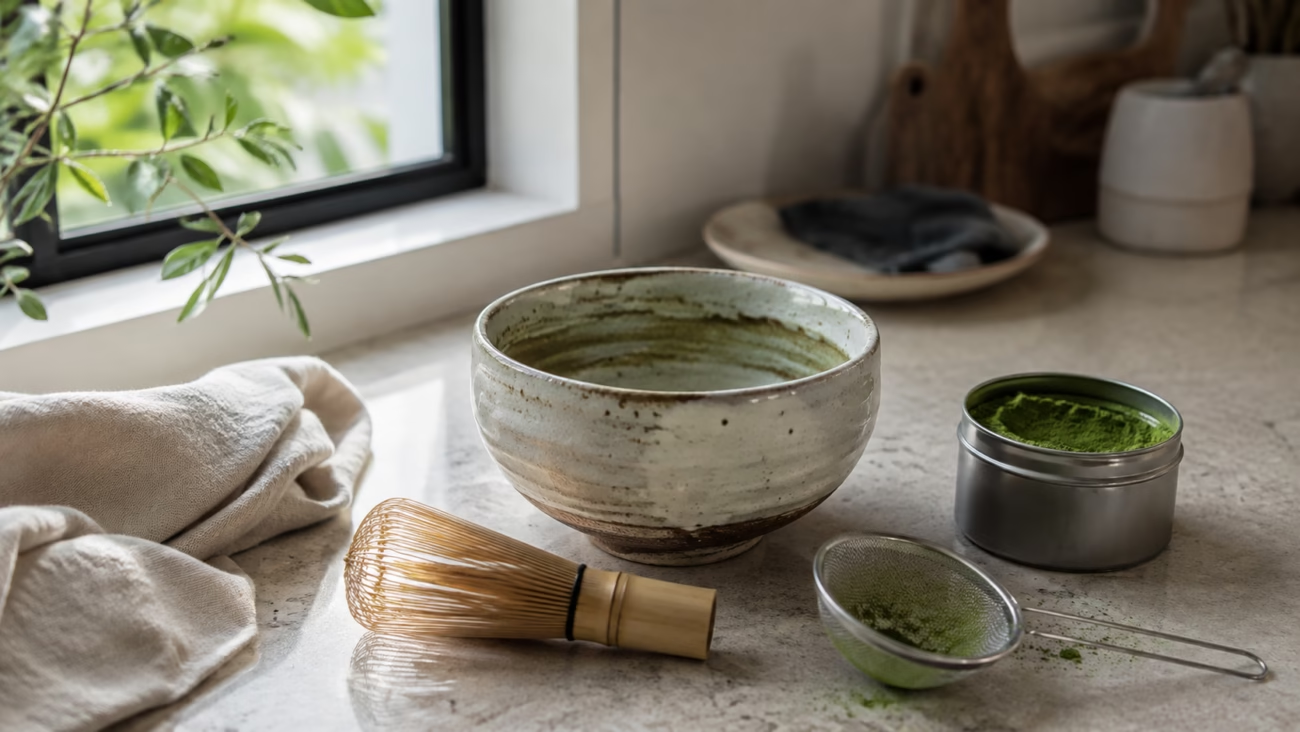
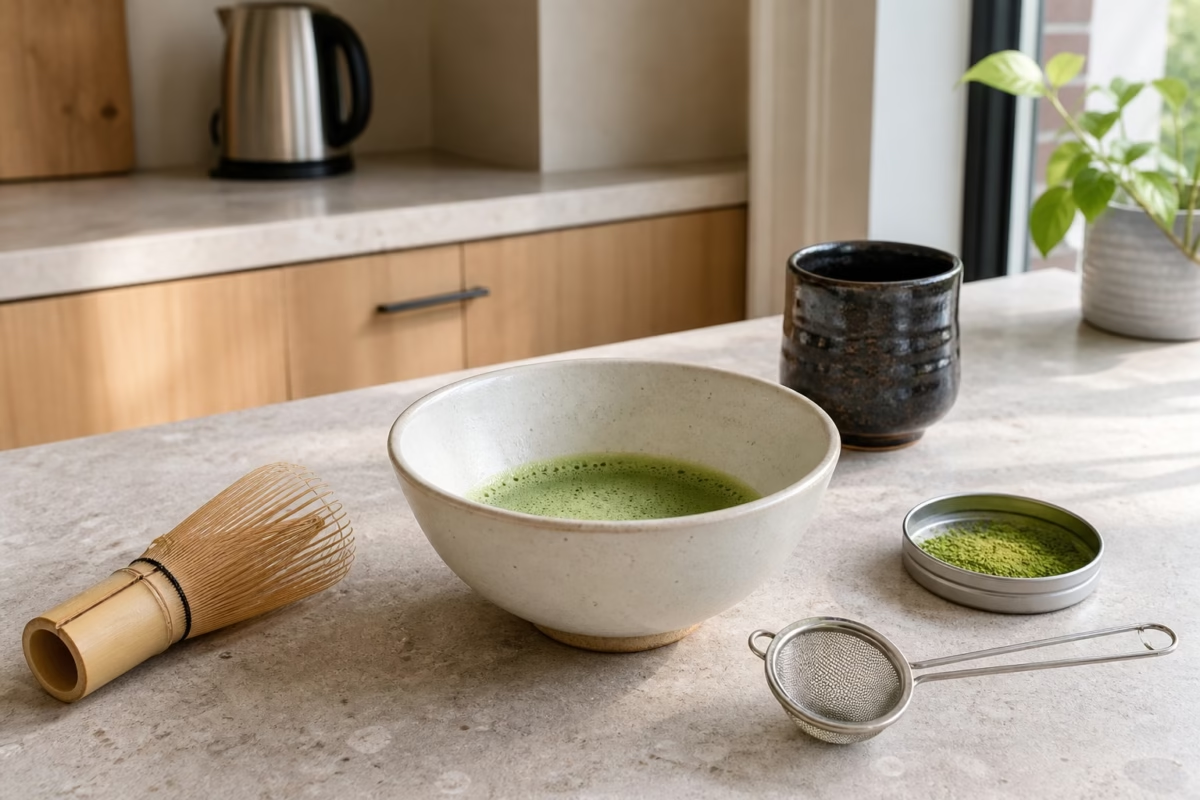
It is also unusually portable between café and kitchen. Someone who likes the café version can learn to make a simpler bowl or latte without buying an espresso machine. Our Matcha at Home guide separates the few useful tools from the accessories that can wait.
None of that means Matcha has replaced coffee, or that most Americans drink it. Its cultural significance comes from becoming a familiar option—not from conquering every menu.
Chai Has the Most Natural Claim on Fall Spice
If Matcha expands the colors of fall, Chai expands its spice vocabulary. Cinnamon, cardamom, ginger and clove already sit close to flavors many Americans associate with colder weather and baking. Pumpkin Chai, apple Chai or a banana bread-inspired Chai can therefore feel like extensions of an existing flavor structure rather than arbitrary seasonal inventions.
There is an important cultural distinction behind the café shorthand. “Chai” means tea in Hindi and in several other languages, while masala chai refers to South Asian traditions of preparing tea with spices and, commonly, milk. The sweet American café “Chai latte” is a modern Western category influenced by those traditions; it is not their origin or their full definition. Starbucks did not invent masala chai, and a pumpkin topping does not turn its history into an American fall story.
Handled with that context, Chai may be Pumpkin Spice’s most natural seasonal companion. Both trade in warmth and aromatic spice, but Chai can move from a heavily customized iced drink to a simple homemade cup without losing its center.
Search Interest Is Not the Same as What America Drinks
The most dramatic 2026 numbers require the most restraint. On August 31, The Washington Post reported that, in a late-August Google Trends comparison of PSL, Matcha and Chai, PSL led relative search interest in only three states. The comparable count was 32 states in 2025 and 48 in 2024.
The same report cited MenuData figures showing Matcha drinks appearing on U.S. menus 6.5% more than a year earlier, while pumpkin drinks were down 6.9%.
Neither dataset identifies America’s best-selling fall beverage. Google Trends measures relative search interest, not cups sold. MenuData tracks menu availability, not what customers actually order. Even Starbucks’ record launch describes the performance of one company across two countries, not a national market share.
Read together, the figures support a narrower and more credible interpretation: the field around Pumpkin Spice has become more competitive. Search curiosity is spreading. Menus are giving that curiosity more places to land. The PSL can remain enormous while its neighbors become more interesting.
Younger Drinkers Do Not Need One Fall Flavor
Modern café habits make a single seasonal winner less necessary. Milk choice, cold foam, syrup, fruit, spice and hot-or-iced format can turn one base drink into several different experiences. A customer’s loyalty may be to the ritual of visiting a café or trying a seasonal variation, not to coffee, Matcha or Chai as a permanent identity.
That flexibility fits a beverage culture in which someone can order cold brew on Monday, Matcha on Tuesday and Chai on Wednesday without treating the switch as a lifestyle conversion. People who came to tea through specialty coffee often bring the same curiosity about origin, preparation and flavor. That crossover is part of why more specialty-coffee drinkers are exploring premium tea.
Visual culture amplifies the experimentation. A layered green drink is easy to recognize, and cold foam gives almost any beverage a seasonal costume. But the camera cannot create repeat demand on its own. Drinks still need to fit routines, budgets and tastes after the first photo.
This Is Not Coffee’s Funeral
The rise of tea-based café drinks is sometimes framed as a contest in which coffee must lose for tea to win. American beverage life is more accommodating than that. A new tea occasion can sit beside a morning coffee, an afternoon sparkling water and a weekend PSL.
In an August 28, 2026 market report, Innova Market Insights described hot tea and ready-to-drink or iced tea as serving different needs. Its research associates hot tea with calm and ritual, while iced tea competes more directly as flavored refreshment. Those are commercial research findings rather than promises about how any drink will make a person feel, but the distinction helps explain tea’s range.
Tea can participate in a highly customized café menu and still become something quieter at home. The two modes do not cancel each other. They create more occasions to drink tea.
When a Café Trend Becomes a Home Habit
Café menus are designed to make trends visible. Home routines usually edit them down. A person may discover tea through an Iced Pumpkin Cream Matcha or a Chaider, then decide that a nine-ingredient recreation is not an everyday project. The lasting habit might be straight Matcha, loose-leaf black tea, simple masala chai, Earl Grey or oolong.
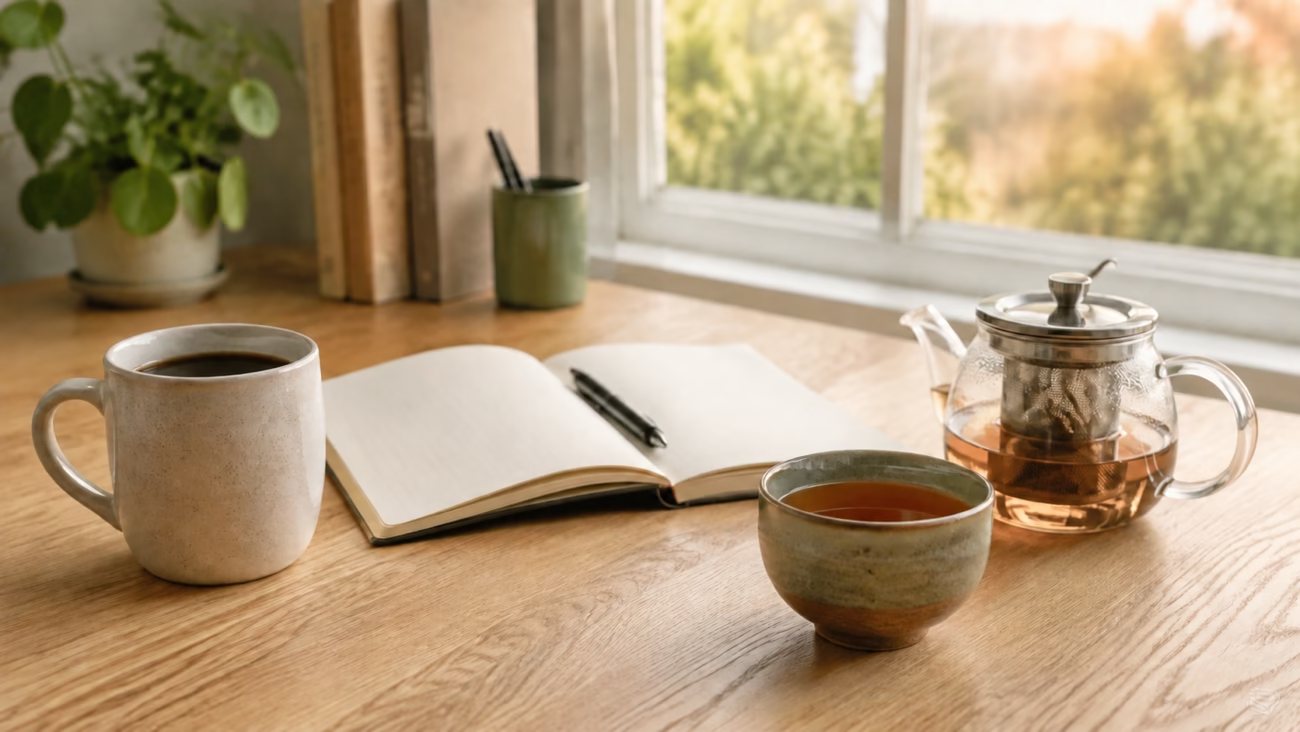
Once the drink moves home, attention shifts from the novelty to the process: water, temperature, leaves, whisking or steeping, and the cup held every day. That is where seasonal curiosity can turn into a durable ritual. Readers making that move can explore why tea rituals are gaining ground in America or choose a practical tea cup for loose-leaf tea.
Drinkware curiosity may eventually lead to handmade ceramics, including a modern guide to Jianzhan tea cups. That is a later step, not a requirement for joining the fall drink conversation. The first step can be as ordinary as noticing that the menu now offers more than one kind of comfort.
Pumpkin Spice has not lost fall. It has gained company. Matcha offers visual contrast and year-round flexibility; Chai brings a spice profile that already belongs to much older traditions; Pumpkin Spice supplies nostalgia and the annual return people recognize immediately. American fall drink culture no longer needs one of them to defeat the others. Its new identity is the choice among them.






One thought on “Is Pumpkin Spice Losing Its Grip? Matcha and Chai Are Changing Fall Drinks in America”