
Blog
What Is Hojicha? The Roasted Japanese Tea Showing Up in American Cafés

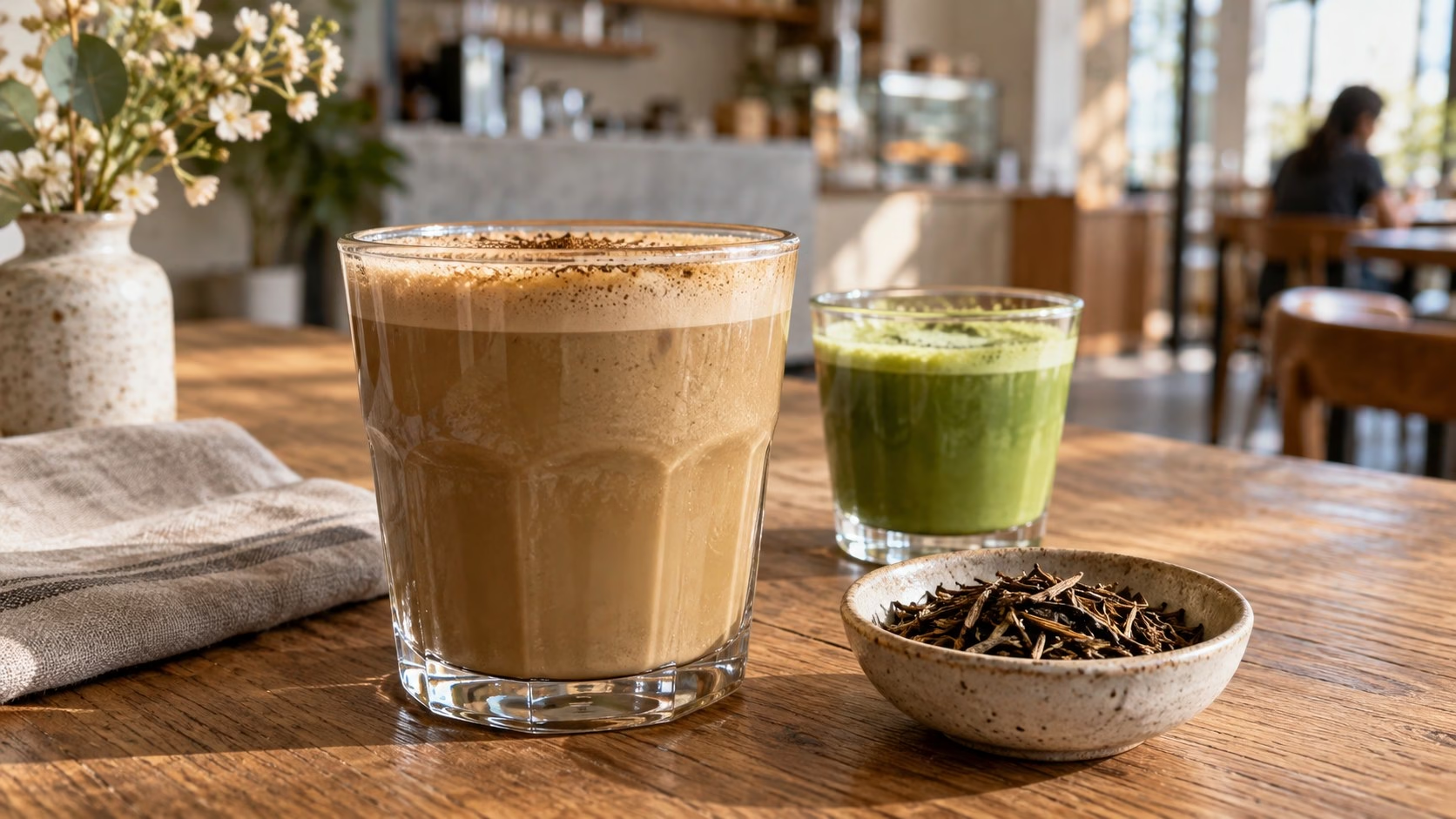
For years, the Japanese tea Americans were most likely to recognize by sight was bright green. Now another color is appearing beside matcha on café menus: brown. Hojicha lattes are turning up in independent coffee shops, bakery cafés, and specialty tea counters, which leads to a reasonable question: what is hojicha, exactly?
Hojicha is Japanese green tea that has been roasted after the tea leaves have gone through their initial processing. Roasting changes the leaves from green to brown and shifts the aroma toward toasted grain, nuts, wood, and caramel-like notes. It does not turn the tea into black tea. The category comes from how the leaf is processed, not the color in the cup.
That distinction explains much of hojicha’s appeal. Matcha helped many American café customers become comfortable ordering Japanese tea. Hojicha gives them a very different flavor direction without asking them to leave the café formats they already know.
Yes, Hojicha Is Still Green Tea
Hojicha begins with Japanese green tea material. The exact material is not identical from one product to the next. Some versions use sencha; others use more mature leaves, stems, or combinations of both. The Japanese Ministry of Agriculture, Forestry and Fisheries describes Uji hojicha as tea made by roasting sencha or kawayanagi, a larger-leaf tea material. That is a useful official definition, and it also shows why saying that all hojicha is made only from bancha or only from stems is too simple.
What these teas share is roasting. A producer starts with tea that has already been processed as green tea, then applies heat to develop a distinctly roasted character. The dry leaf turns brown, and the brewed liquor may range from amber to reddish brown or deeper brown depending on the leaf, roast, amount used, and steeping strength.
This is a good reminder that beverage color is a poor shortcut for tea classification. Black tea is oxidized during production. Hojicha is roasted green tea. They can look similar in a glass and still have different processing histories.
Roasting Is What Changes Everything
Fresh Japanese green teas are often discussed in terms of grass, marine notes, sweetness, umami, or gentle astringency. Roasting redirects attention. In hojicha, the first impression is commonly aromatic: warm grain, toasted nuts, dry wood, or a browned-sugar quality. Some roasts lean smoky; others are soft and sweet-smelling. None of those descriptors is guaranteed.
Roast level and starting material matter. A stem-heavy tea can smell and taste different from one built around larger leaves. A deeper roast may emphasize smoke and dark toast, while a lighter roast can leave more of the underlying tea visible. “Caramel-like” is a useful comparison for some cups, but hojicha is not flavored caramel tea unless a maker has actually added flavoring.
The practical result is a green tea that can feel familiar to people who already enjoy roasted coffee, toasted grains, or browned flavors in food. Familiar does not mean identical. Hojicha has its own lighter body and tea-like finish.
Why American Cafés Are Paying Attention
Hojicha is not new in Japan, but its visibility in the United States is changing. Bon Appétit covered hojicha in February 2026 as a roasted, lower-caffeine tea appearing on café menus. In June, Food & Wine reported on hojicha’s growing U.S. presence, including lattes, powdered tea, desserts, and drinks at businesses in several cities. An August Houston Chronicle report documented hojicha preparations at Houston cafés alongside established matcha offerings.
Those examples do not prove that every American coffee shop is about to add hojicha. They show something more modest and more believable: café operators and customers now have enough familiarity with Japanese tea to explore a second flavor vocabulary.
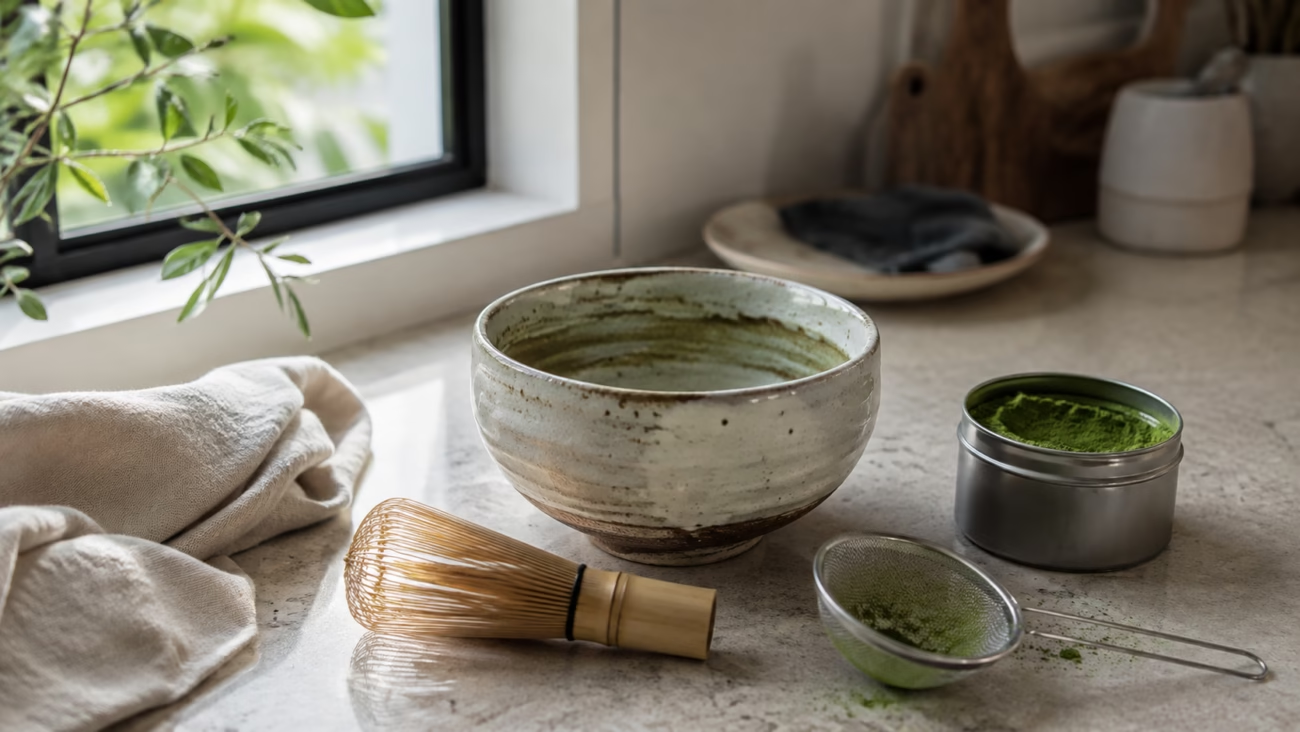
Matcha deserves some credit for opening that door. A decade of matcha lattes taught customers that tea powder could sit naturally beside espresso, cold brew, and chai on an American menu. Hojicha powder fits the same operational format, while loose-leaf hojicha gives tea shops another option for straight service. Anyone building a home routine around the greener tea can start with our practical guide to making matcha at home; the tools and flavor expectations are different, but the curiosity often overlaps.
Hojicha and Matcha Are Much Less Similar Than the Menu Makes Them Look
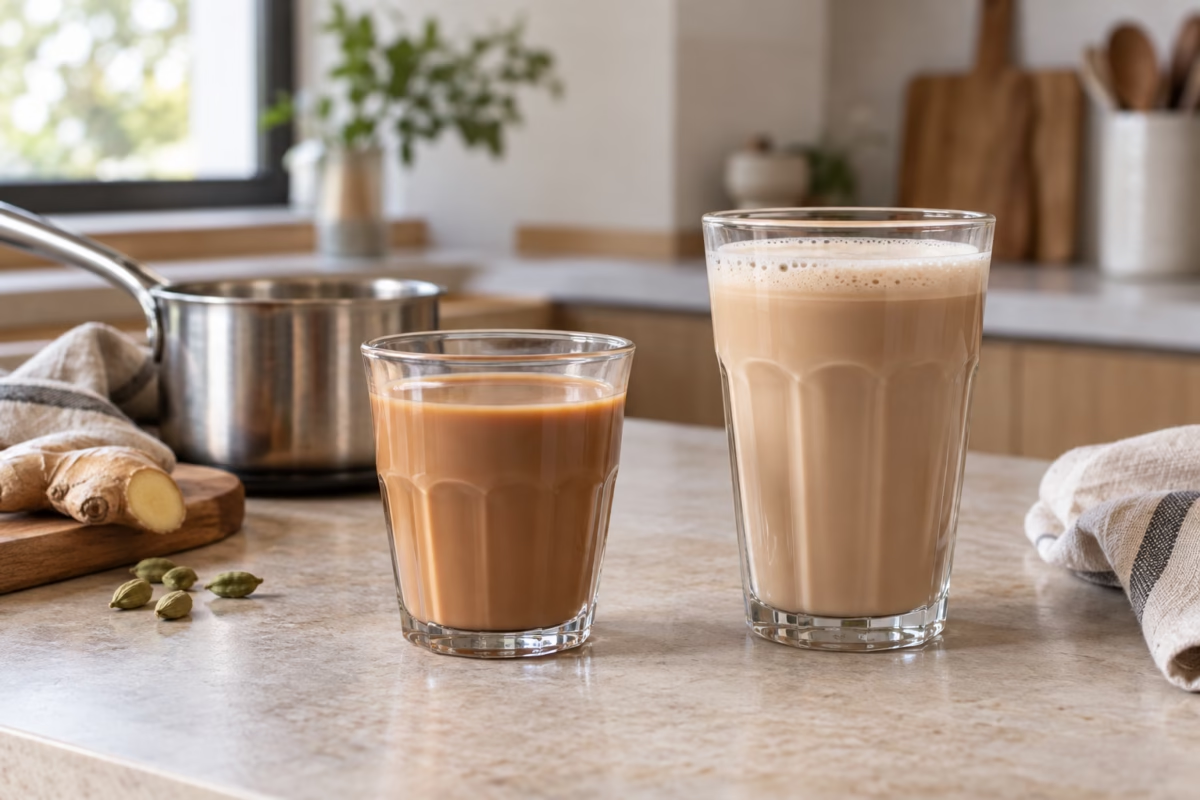
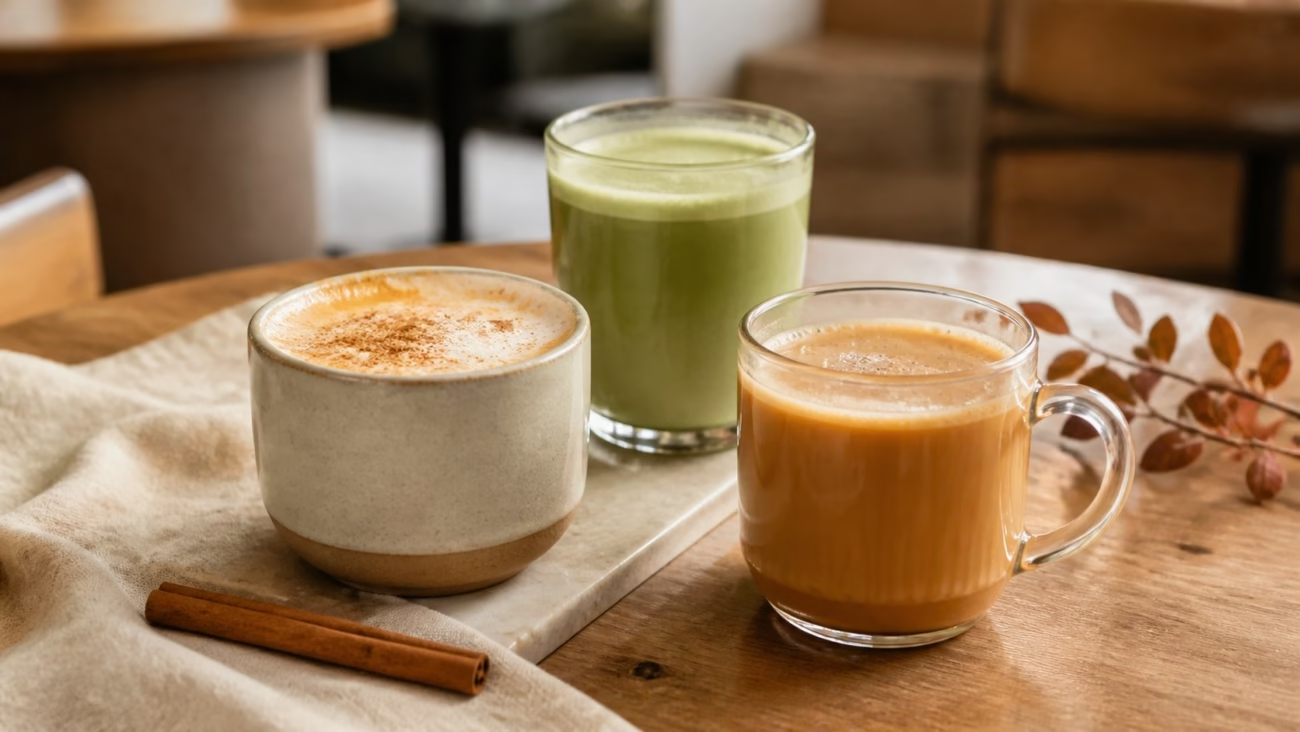
Two lattes in similar glasses can hide very different teas. Matcha and hojicha both come from Camellia sinensis, but that fact alone does not make their materials or production interchangeable.
| Characteristic | Hojicha | Matcha |
|---|---|---|
| Base | Japanese green tea material; leaves, stems, or a blend may be used | Tencha made from shade-grown tea leaves |
| Defining processing | Roasted after initial green-tea processing | Refined tencha is finely ground |
| Color | Brown leaf; amber to brown liquor | Vivid to muted green powder and drink |
| Flavor direction | Commonly toasted, nutty, woody, or warm-grain-like | Commonly vegetal, umami-rich, sweet, or gently bitter |
| Typical preparation | Loose leaf is steeped; powder can be whisked or mixed | Powder is suspended in water by whisking or mixing |
| Caffeine tendency | Often lower, but variable and never assumed to be zero | Often higher per serving because the ground leaf is consumed |
| Common U.S. café format | Hot or iced hojicha latte | Hot or iced matcha latte |
Powdered hojicha is not matcha. Grinding a roasted tea into powder makes it convenient for lattes, baking, and desserts, but it does not give the tea matcha’s cultivation and processing history. “Roasted matcha” may sound intuitive on a menu, yet it blurs a useful distinction.
Does Hojicha Have Caffeine?
Yes. Hojicha contains caffeine and should not be described as naturally caffeine-free or decaffeinated.
Many hojicha products tend to be lower in caffeine than matcha and many other Japanese green teas. The tendency can reflect the use of more mature leaf material or stems as well as processing, but the final amount depends on the product, leaf-to-stem ratio, serving size, quantity of tea, and preparation. Even products from the same category can differ. ITO EN, for example, publishes a caffeine amount for its bottled hojicha rather than making a universal claim for every hojicha.
This is where labels and producer information matter more than a single number repeated across the internet. Someone who is sensitive to caffeine should treat “lower” as a comparison, not a promise about sleep or personal response. Hojicha may fit an afternoon routine for some people, but it is still caffeinated tea. Our article on adding tea to the American afternoon looks more closely at how timing and serving size shape that choice.
Why Hojicha Works So Well as a Latte
Milk can mute delicate tea, but hojicha’s roasted aroma often remains noticeable beside dairy or oat milk. That makes it well suited to the modern café latte format. Brown sugar, vanilla, honey, and seasonal flavors can reinforce its warm profile, although these additions are contemporary café choices rather than the definition of hojicha.
A good hojicha latte should still communicate tea. If the syrup is the loudest flavor, the name tells you more about the menu concept than the leaf. Straightforward versions—tea, water, milk, and measured sweetness—make it easier to notice the roast.
The format is also visually legible. Customers accustomed to a green matcha latte can see immediately that hojicha promises something else. The muted brown color is part of the signal, not a flaw that needs to be disguised.
Hojicha Latte Is Not the Only Way to Drink It
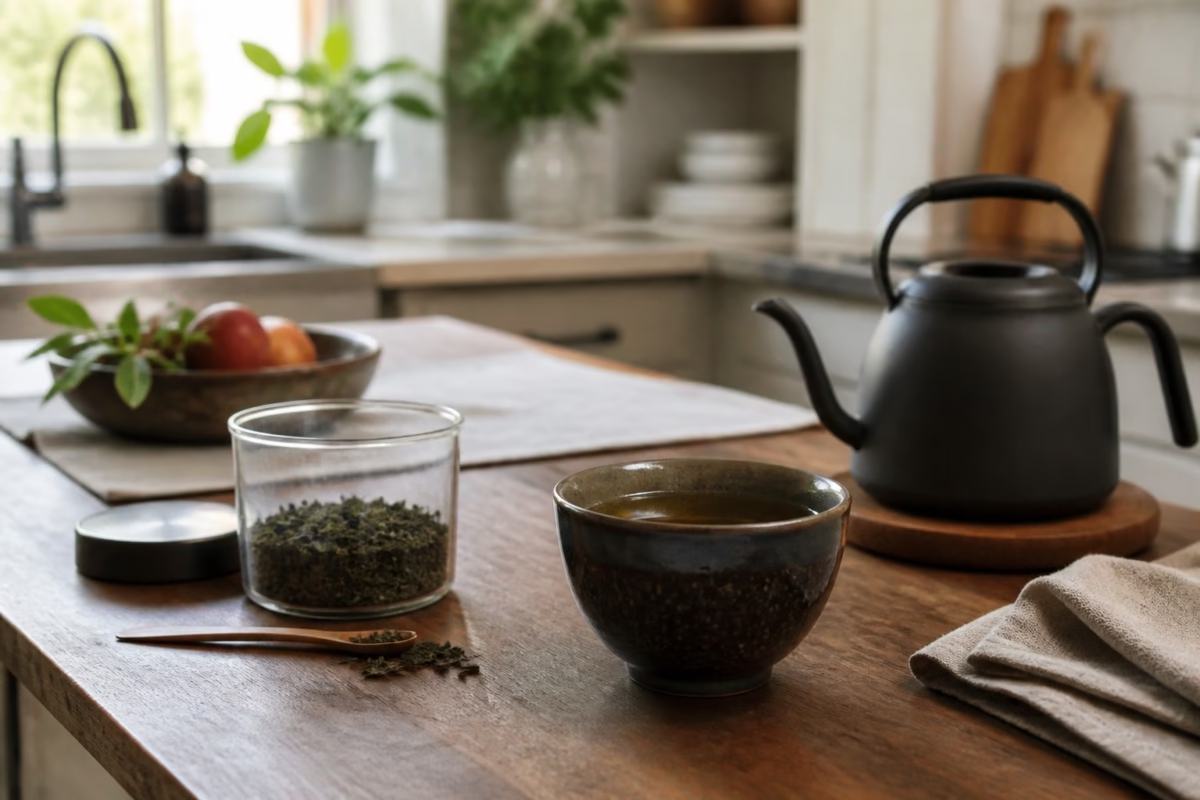
Loose-leaf hojicha can be as simple as tea, hot water, a strainer, and a cup. It does not require milk, syrup, a whisk, or café equipment. Because roasted aroma is central to the experience, many producers recommend hotter water than they would for delicate sencha.
As one product-specific example, Ippodo’s standard loose-leaf hojicha recipe currently calls for 10 grams of leaf, 240 milliliters of boiling water, and a 30-second brew. That is Ippodo’s guidance for its tea, not a law for every bag of hojicha. Start with the maker’s instructions, taste, and adjust rather than forcing every roast into one formula.
Hojicha also works iced. Brewed tea can be poured over ice or chilled, while powder can be mixed into a concentrated base for an iced latte. The two routes produce different textures. Steeped tea is clear and light-bodied; powder remains suspended and can feel fuller.
Loose-Leaf Hojicha vs. Hojicha Powder
Choose the format around the drink you actually want to make.
Loose leaf
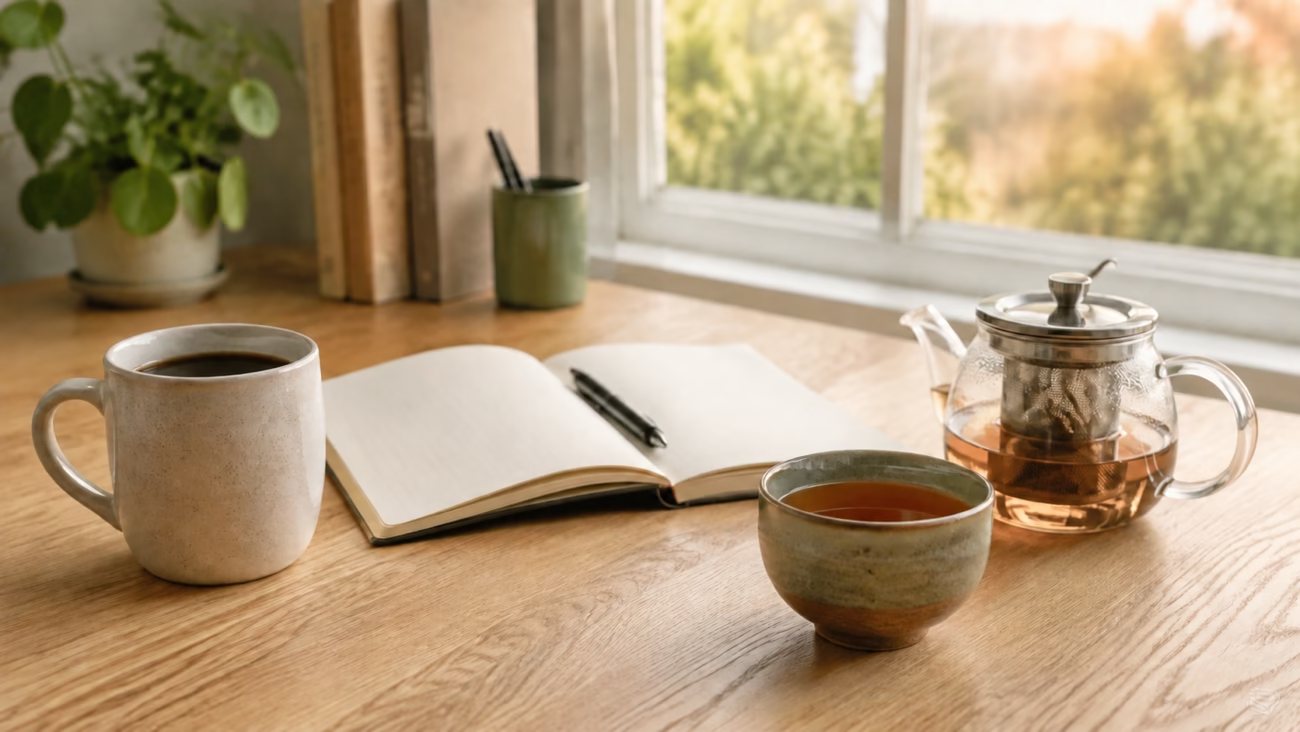
Loose-leaf hojicha is steeped and strained. It is the clearest way to understand the tea without milk or sweetener, and it works with an ordinary teapot, glass pot, basket infuser, or other familiar setup. If cup shape and serving size are new questions, our guide to choosing a tea cup for loose-leaf tea keeps the decision practical.
Powder
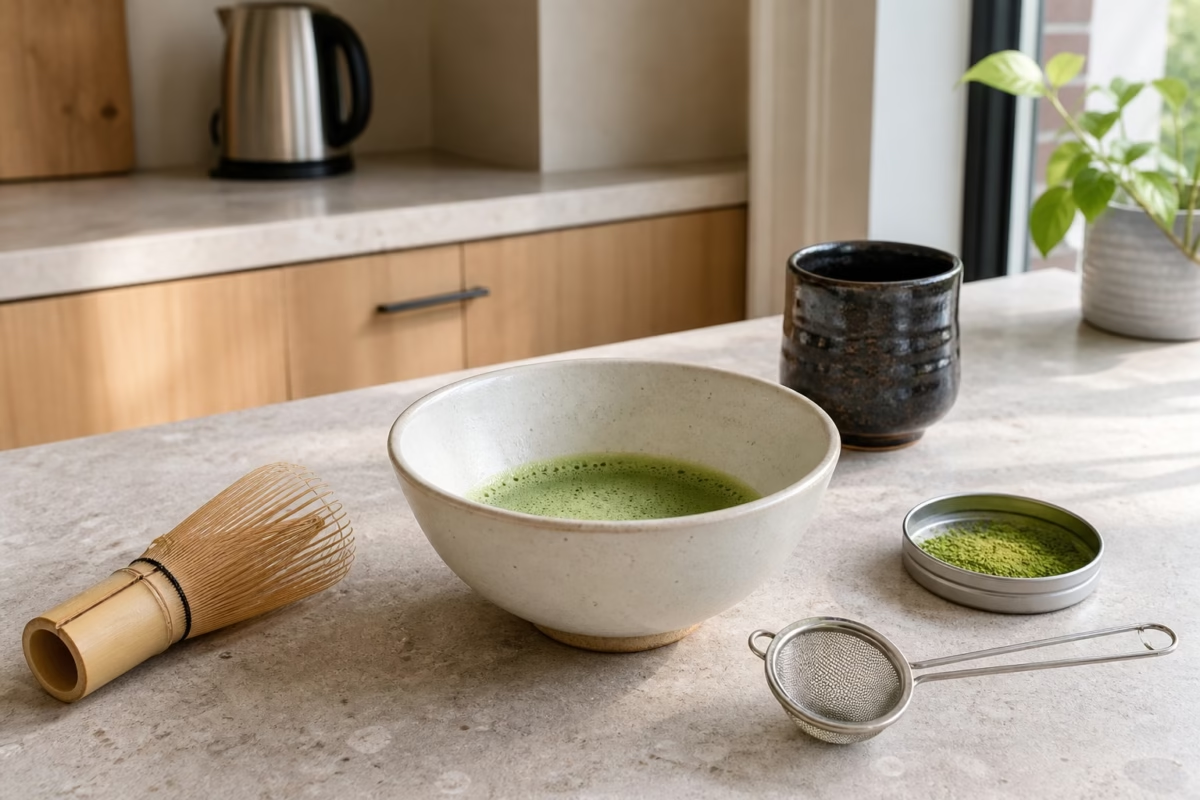
Hojicha powder is finely ground roasted tea. It disperses through water or milk, making it convenient for lattes and useful in baking or desserts. It can be whisked, but the shared motion does not turn it into matcha. Because the particles are consumed rather than strained away, powder also creates a different texture and serving experience from brewed leaf.
Neither format is the more authentic choice for every situation. Loose leaf makes sense for a clear cup of tea; powder makes sense when you want tea flavor distributed through milk or food.
Does Hojicha Taste Like Coffee?
Not exactly. The roast can make hojicha more approachable to a coffee drinker who finds grassy green tea unfamiliar, but it does not have espresso’s concentration, coffee’s body, or the same set of roasted compounds. Calling it “coffee without coffee” sets up the wrong expectation.
A better way to think about it is as a separate roasted flavor space. Hojicha can carry toast, nut, wood, and browned-sugar associations while remaining recognizably tea. That gives it enough familiarity to meet a coffee drinker halfway without pretending to be a substitute.
Is Hojicha Better Than Matcha?
That question asks two very different teas to compete on one scale. Matcha makes sense when you want vivid color, vegetal depth, umami, and the texture of suspended tea powder. Hojicha makes sense when you want roasted aroma, a softer color, or the option to brew loose leaf. Hojicha often trends lower in caffeine, but that does not make it universally better.
Many people will prefer one on a particular day and the other on another. Matcha does not need to disappear for hojicha to earn a permanent place on American menus.
What Cup Makes Sense for Hojicha?
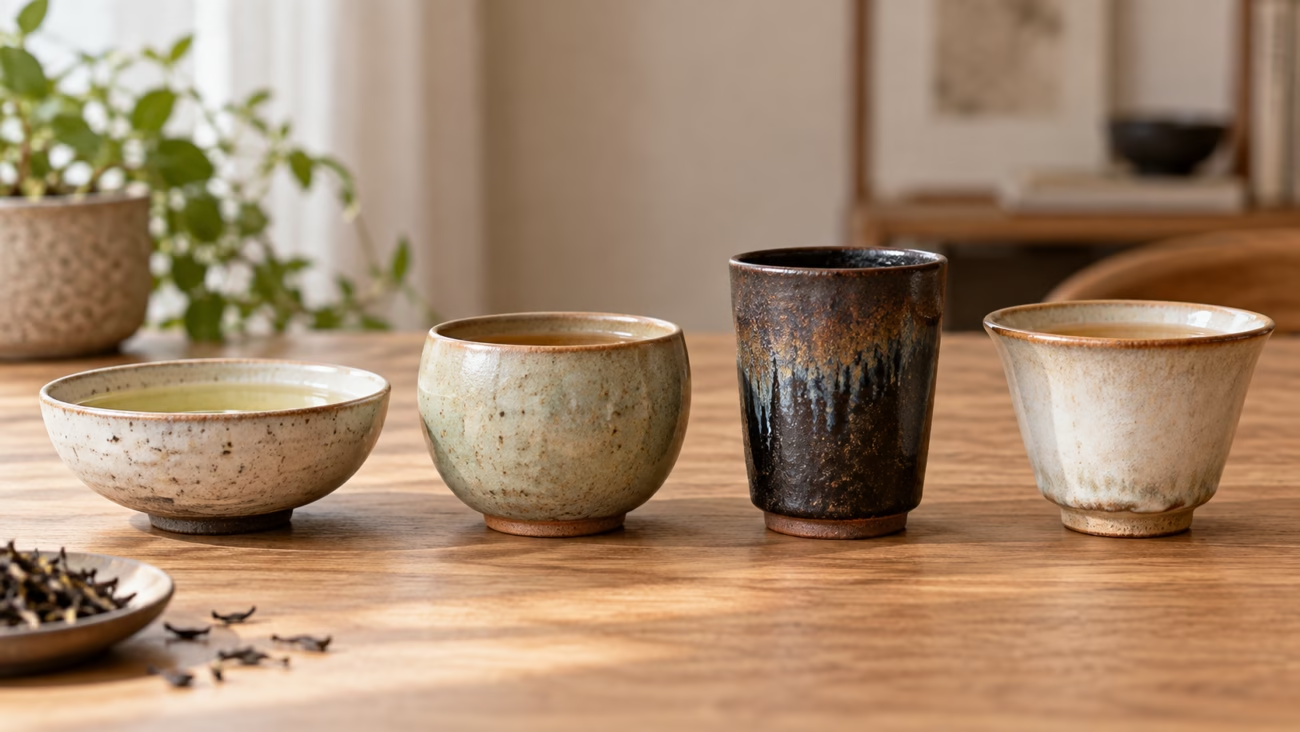
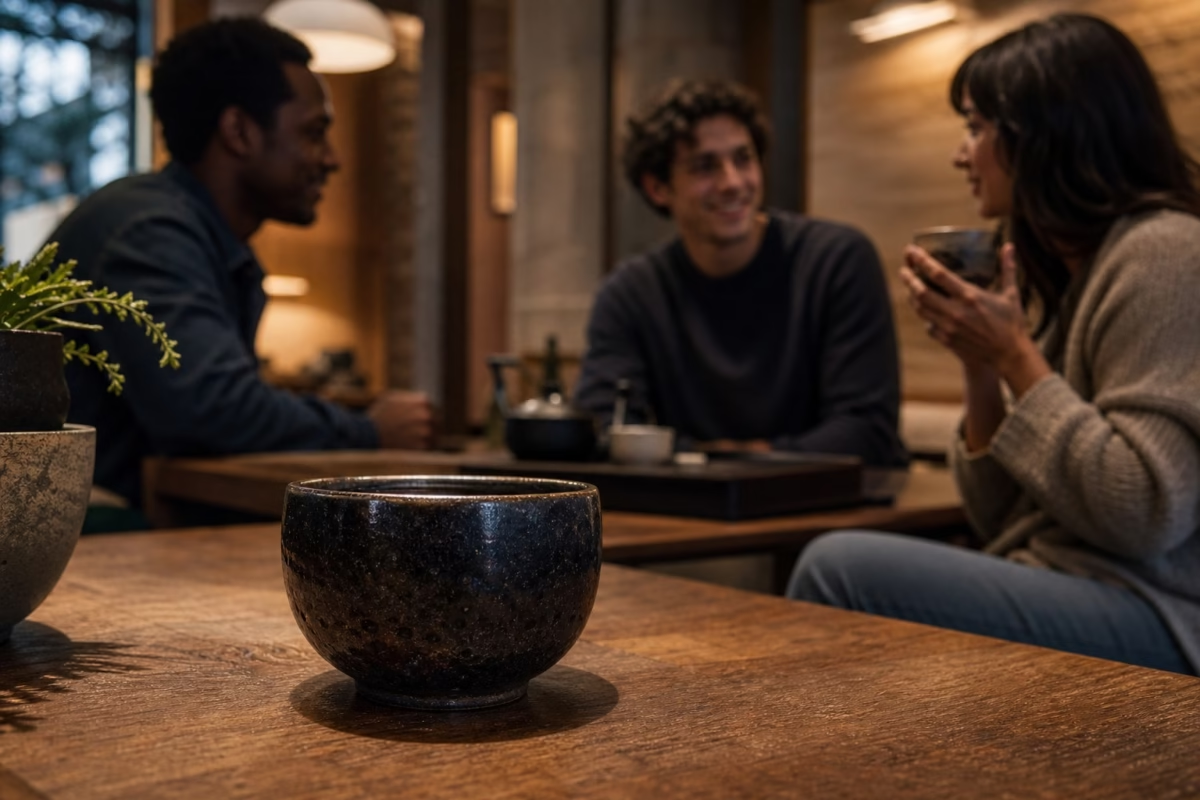
For a large hojicha latte, a café mug or heat-safe glass is usually the practical choice. Straight brewed hojicha can work in the same mug, but a smaller ceramic cup changes the rhythm: less tea at once, more frequent pours, and more attention to aroma as the cup cools.
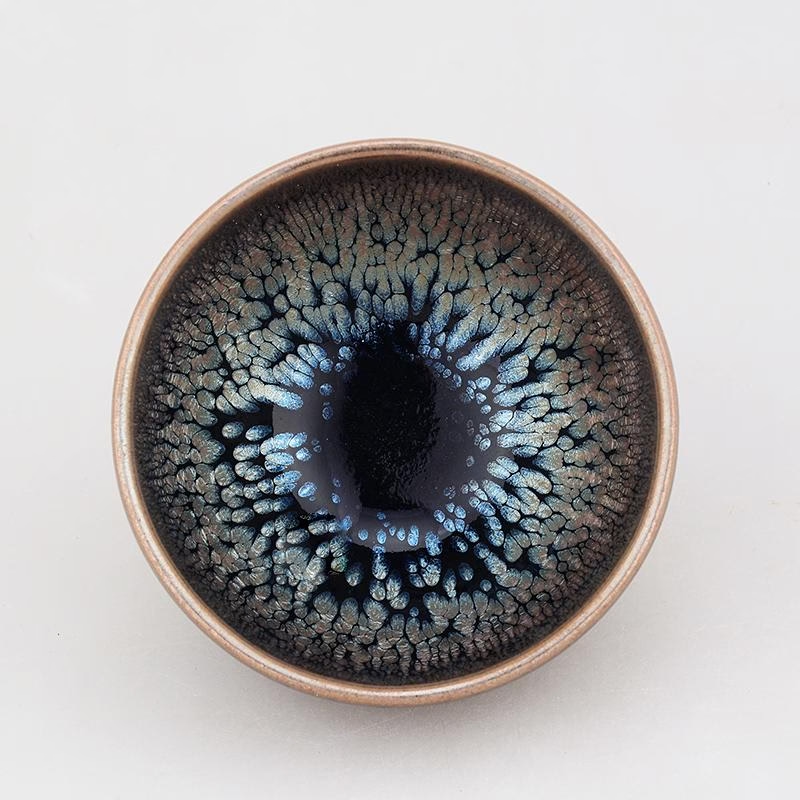
The material does not need to carry a false cultural story. Hojicha is Japanese tea. Jianzhan belongs to the Chinese Jian ware tradition. A modern drinker may still choose a Jianzhan cup for straight hojicha because they like a dark glaze, tactile ceramic, and smaller serving size—not because it is a traditional hojicha vessel. Our modern guide to the Jianzhan tea cup explains that separate history. Readers comparing everyday materials can also consult our ceramic and porcelain cup guide.
A Roasted Tea That Does Not Need to Replace Anything
The most useful answer to what is hojicha is also the simplest: it is roasted Japanese green tea. The roast gives it a brown appearance and a warm aromatic direction; the underlying tea and production choices keep one hojicha from tasting exactly like another.
Its new café visibility makes sense. American customers already know the latte format, and matcha has prepared them to look beyond coffee when reading a menu. Hojicha offers a different experience rather than a rival camp. Try it first in the form that interests you—a straightforward loose-leaf cup, a lightly sweetened latte, or an iced version—and let the roast speak before deciding what it should replace.