
Blog
Ceramic vs Stainless Steel Mugs: Which Is Better for Coffee and Tea?

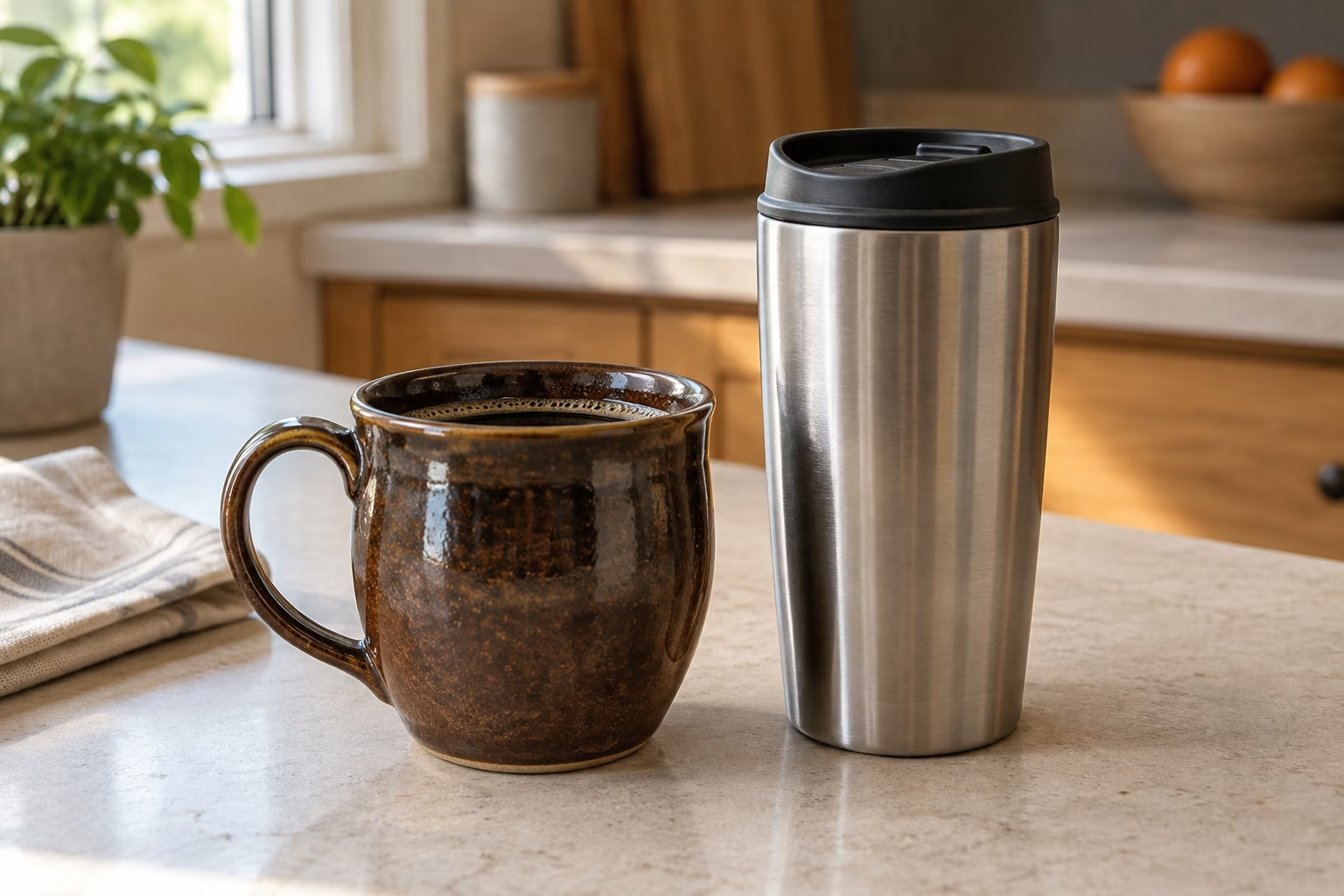
A ceramic mug belongs beside the coffee maker; a steel tumbler goes in the car. That used to be a fairly useful shortcut. Now ceramic-lined travel mugs complicate the choice, while reusable-drinkware brands are making room for traditional pottery.
For most buyers, the ceramic vs stainless steel mug decision comes down to where you drink and how long the drink needs to stay hot. Choose traditional ceramic for a sit-down cup and the feel of the vessel. Choose vacuum-insulated stainless steel for commuting, rougher handling, or sipping over hours. Consider ceramic-lined steel if you want an insulated vessel with a different interior surface.
None of those choices guarantees better coffee or tea. Here is what actually changes.
Why the Mug Question Is Getting More Interesting
America’s coffee habits make this more than a niche equipment debate. In its Fall 2026 National Coffee Data Trends announcement, the National Coffee Association reported that 48% of US adults drank specialty coffee in the past day, a record high. Among past-day coffee drinkers, 83% had coffee at home. Those are different groups, but together they underline how much coffee drinking still happens in ordinary kitchens.
Meanwhile, MiiR announced its first handcrafted ceramics collection for September 29, 2026, National Coffee Day. Its own collection introduction describes three handcrafted, high-fired mugs. One launch does not establish a ceramic takeover. It does show a familiar reusable-drinkware brand giving the home cup its own attention.
On the travel side, YETI and Owala offer ceramic-lined or ceramic-coated steel products. The word “ceramic” on a product page therefore needs a second look: does it describe the whole cup, or only the surface touching your drink?
Compare the Construction Before the Material
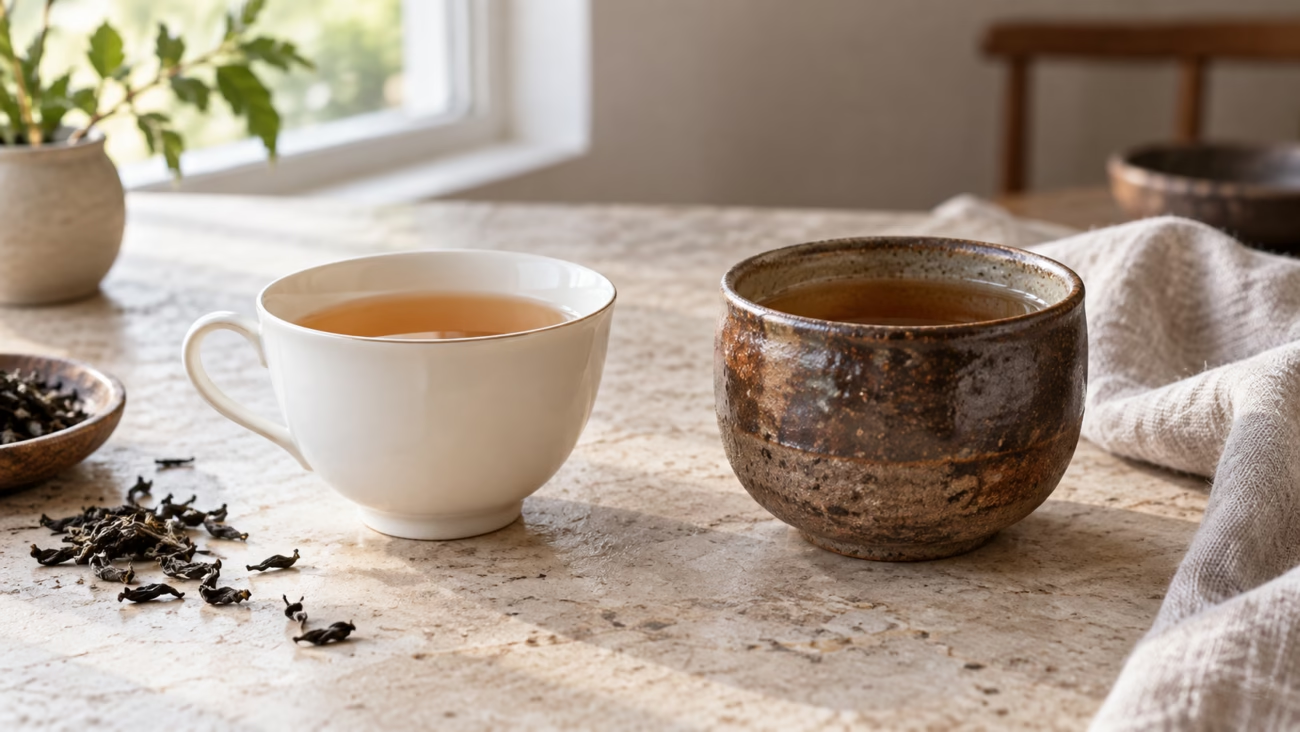
A conventional ceramic mug has a fired ceramic body. It may be stoneware or porcelain, handmade or factory-produced. Those differences affect its form and feel; our guide to ceramic and porcelain tea cups explains the terminology without treating porcelain as a separate universe.
A stainless steel mug might have one wall, two walls, or double-wall vacuum insulation. These are not interchangeable. A thin single-wall camping cup is a very different purchase from a vacuum-insulated commuter tumbler.
The vacuum between walls limits heat transfer. That construction, along with the lid, is the main reason many steel travel mugs hold temperature well. “Metal keeps drinks hotter” is a poor explanation. A normal ceramic mug and a double-wall ceramic design also should not be assumed to perform identically.
Use this table as a starting point, then check the actual product. “Ceramic-lined steel” below refers to insulated designs, not every coated metal cup.
On a phone, scroll the table sideways to see all columns.
| Need | Traditional ceramic | Vacuum stainless steel | Ceramic-lined steel |
|---|---|---|---|
| Sit-down drink | Good fit; many shapes | Useful if heat matters | Useful if you prefer its interior |
| Commute | Usually less practical | Usually a strong fit | Check lid and dimensions |
| Heat over hours | Not its usual job | Designed for retention | Depends on insulation, not lining |
| Drops | Can chip or break | More forgiving; can dent | Steel body; lining needs care |
| Microwave | Only if approved | No | No |
| Handmade glaze | Available, not universal | Different material character | Does not recreate pottery |
| Cleaning | Open cups are accessible | Inspect lid and seals | Follow lining and lid instructions |
If You Need Heat for Hours, Buy for That Job
For the train ride followed by a long meeting, a vacuum-insulated steel mug generally makes more sense. The same goes for a road trip, an outdoor workday, or coffee you keep forgetting between calls.
Look beyond the retention claim. Is it measured with the lid closed? Is the capacity right? Can you open and close the lid comfortably? Does the base fit your car’s cupholder? A wide handled mug can be excellent at a desk and awkward in a center console.
A lid that limits splashes is not necessarily leakproof. If the mug will lie sideways beside a laptop, check an explicit leakproof claim for that exact lid and follow its use instructions. A steel body alone cannot keep liquid inside.
For breakfast at the kitchen table, long heat retention may be irrelevant. A conventional ceramic mug suits a shorter session, especially if you prefer the drink to cool gradually rather than remain too hot to sip. Neither habit needs correcting.
Does Stainless Steel Change the Taste?
Some drinkers report metallic notes from steel vessels; others notice no objectionable difference. Those experiences are worth listening to, but they do not establish that every stainless steel mug makes coffee taste metallic.
Before blaming the body, clean the lid. Coffee oils, tea residue, and traces of milk can remain around gaskets and sliding mechanisms. A mug used for flavored coffee in the morning may need more than a quick rinse before delicate tea.
Also consider how you are drinking. An open rim and a narrow lid opening give you different access to aroma. Temperature, rim shape, and the weight of the cup can affect the experience. Comparing hot coffee through a lid with cooler coffee in an open mug does not isolate the material.
Properly glazed ceramic is commonly chosen as a relatively neutral drinking surface, but it cannot rescue a poorly brewed drink. If your current clean steel mug tastes fine to you, there is no sensory obligation to replace it.
What Ceramic-Lined Stainless Steel Actually Offers
This category is closer to a steel travel vessel with an added interior surface than to a pottery mug wrapped in metal. The distinction matters for weight, care, insulation, and what you feel in your hand.
YETI describes DuraSip ceramic lining as fused to an 18/8 stainless steel interior. It is a bonded lining, not a removable ceramic insert. YETI says its thermal performance remains unchanged: the vacuum-insulated body supplies the insulation, not the ceramic surface.
Its small-cup FAQ makes an especially useful distinction. Asked whether the lining makes coffee or wine taste better than stainless steel, YETI says it does not, while pointing to stain resistance and easier cleaning. The FAQ also confirms dishwasher compatibility and rules out microwave use for those cups.
Owala likewise describes its ceramic SmoothSip Slider as having a ceramic-coated stainless steel core. That supports the construction distinction; it does not mean every brand uses the same coating, care rules, or lid design.
A lining can be worth considering if you prefer that interior surface or want the maker’s stated stain-cleaning benefits while keeping insulation. Buy it for those reasons. Paying extra for a promise of automatically better flavor is harder to justify.
At Home, Ceramic Offers Something Different
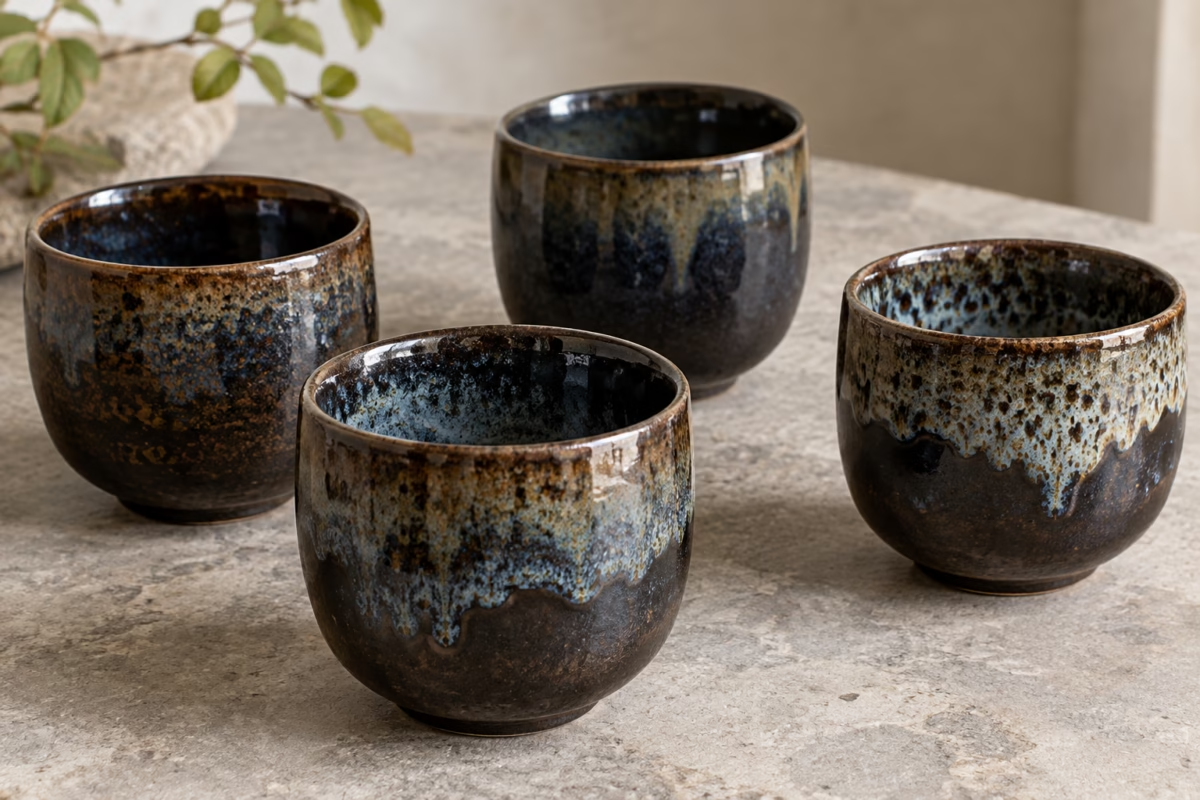
A full ceramic body has a presence a lined steel shell does not reproduce. You feel the shape, rim, handle, and weight together. A handmade glaze may pool or vary across the surface; a simple porcelain cup may appeal precisely because it is smooth and consistent.
Neither needs to be expensive to be enjoyable. A familiar diner mug can be a better daily companion than a striking handmade piece whose handle pinches your fingers.
When shopping for home use, imagine it filled. Check the usable capacity, space beneath your brewer, handle clearance, and whether the foot sits steadily. Attractive photographs cannot answer every ergonomic question. Handmade variation adds character only when the underlying cup is comfortable and well finished.
Cleaning, Durability, and Safety Without the Scare Stories
Steel is generally the more forgiving choice for drops and outdoor handling. Ceramic can chip, crack, or break. Steel can still dent or scratch, finishes can be damaged, and lids and seals can wear. “Indestructible” is not a useful buying standard.
For cleaning, complexity often matters more than the material. An open ceramic cup has few hiding places. A sophisticated travel lid may have several parts to remove, wash, dry, and reassemble. Check that process before buying something you will use with milk every morning.
Stain resistance does not mean maintenance-free. Follow the manufacturer’s cleaning instructions for the interior and the lid separately; do not assume a harsh abrasive suitable for one surface belongs on a ceramic coating.
Keep stainless steel drinkware out of the microwave, including ceramic-lined versions. Ceramic requires product-specific approval too: metallic decoration, glaze, and construction can change suitability. Dishwasher rules also vary. “Handmade” does not automatically mean hand-wash only, and “ceramic” does not automatically mean dishwasher safe.
Safety is not settled by choosing a team. Buy drinkware intended for food contact from a seller who identifies the materials and provides clear care information. Ask for product-specific support when a seller makes testing claims. A label such as “natural” or “premium” is not evidence that ceramic is healthier than steel.
Which Should You Choose for Coffee or Tea?
For coffee
Taking a large coffee out the door favors vacuum steel with an appropriate lid. An at-home latte works well in a conventional ceramic mug with enough room for milk and foam. Espresso or a smaller specialty coffee can suit either a small ceramic cup or a suitably sized ceramic-lined steel cup.
Specialty beans do not require artisan pottery. Spend according to the problem you have: a leaking lid, an uncomfortable handle, or coffee cooling before you can finish it.
For tea
A large desk tea can go either way. Insulated steel helps if meetings stretch out; ceramic may be more appealing when you drink it promptly. For iced tea on the commute, insulation and a secure lid usually win on convenience.
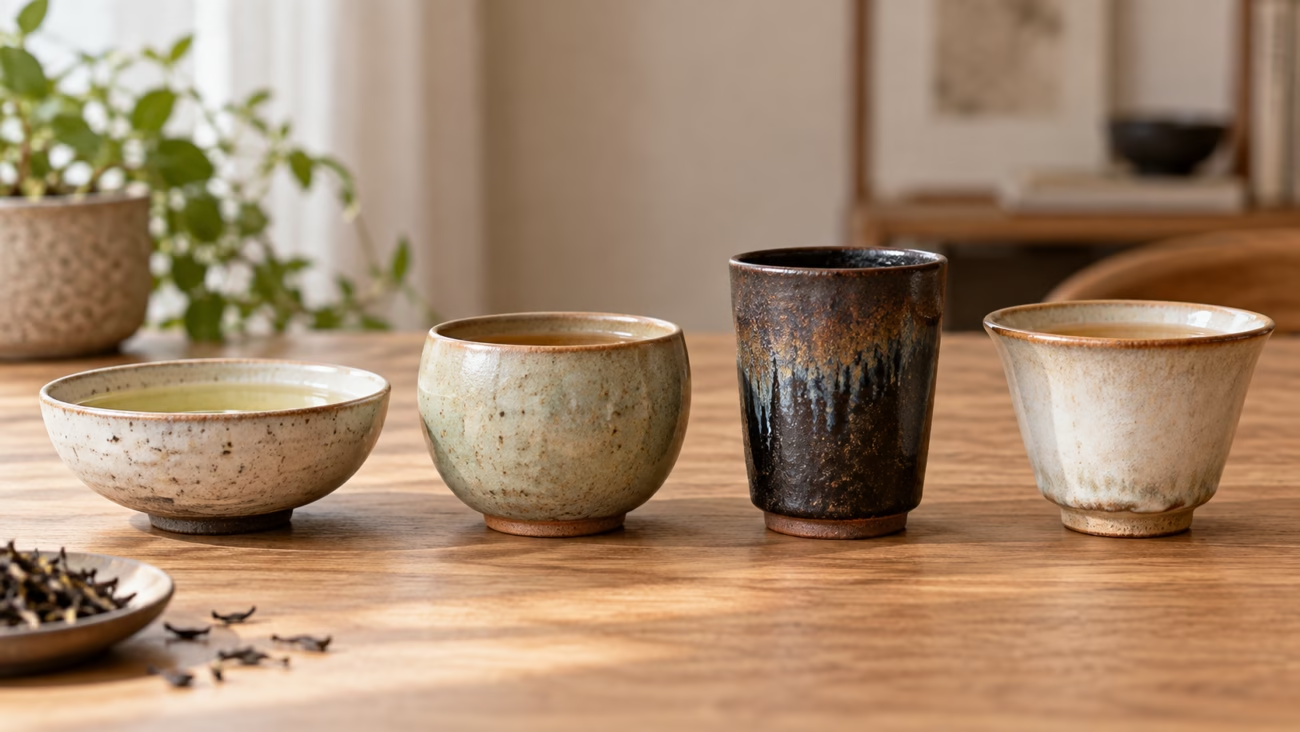
Smaller pours of black, green, white, or oolong tea give ceramic a different role. Brew in a pot or basket infuser, remove or separate the leaves when ready, and choose a drinking cup that matches the serving. Our loose leaf tea cup guide goes deeper into that fit.
For tasting, an open ceramic, porcelain, or glass cup lets you drink directly from the rim. Choose glass or a light interior if seeing the liquor’s color matters most. A dark glaze offers a different visual experience, not an objectively superior one.
Where Jianzhan Fits—and Where It Does Not
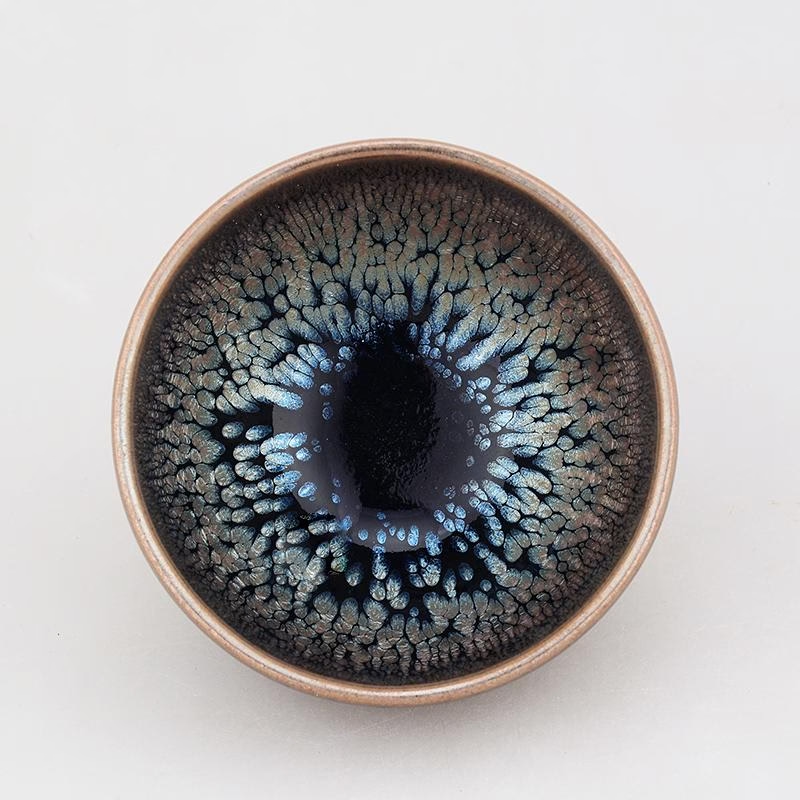
Jianzhan tea cups belong in the home-tea part of this comparison. Their ceramic tradition, glaze variation, and often smaller, handleless forms appeal to people interested in the object as well as the drink. They do not need to replace a travel tumbler.
Do not buy Jianzhan to satisfy a shopping list of 20-ounce capacity, a sealed or leak-resistant lid, car-cupholder compatibility, hours of insulation, and outdoor durability. A suitably specified stainless steel travel mug is the better choice.
If you want smaller loose-leaf servings at a table and enjoy handmade ceramic character, the AEROVYNX Tea Cups collection is relevant. Check each cup’s dimensions and care information rather than transferring travel-mug expectations to it.
The sensible purchase may be two very different vessels: one that survives the journey, and one you like using when you have arrived. Buy for the part of your day the cup will actually occupy.