
Blog
Masala Chai vs Chai Latte: What’s the Difference?

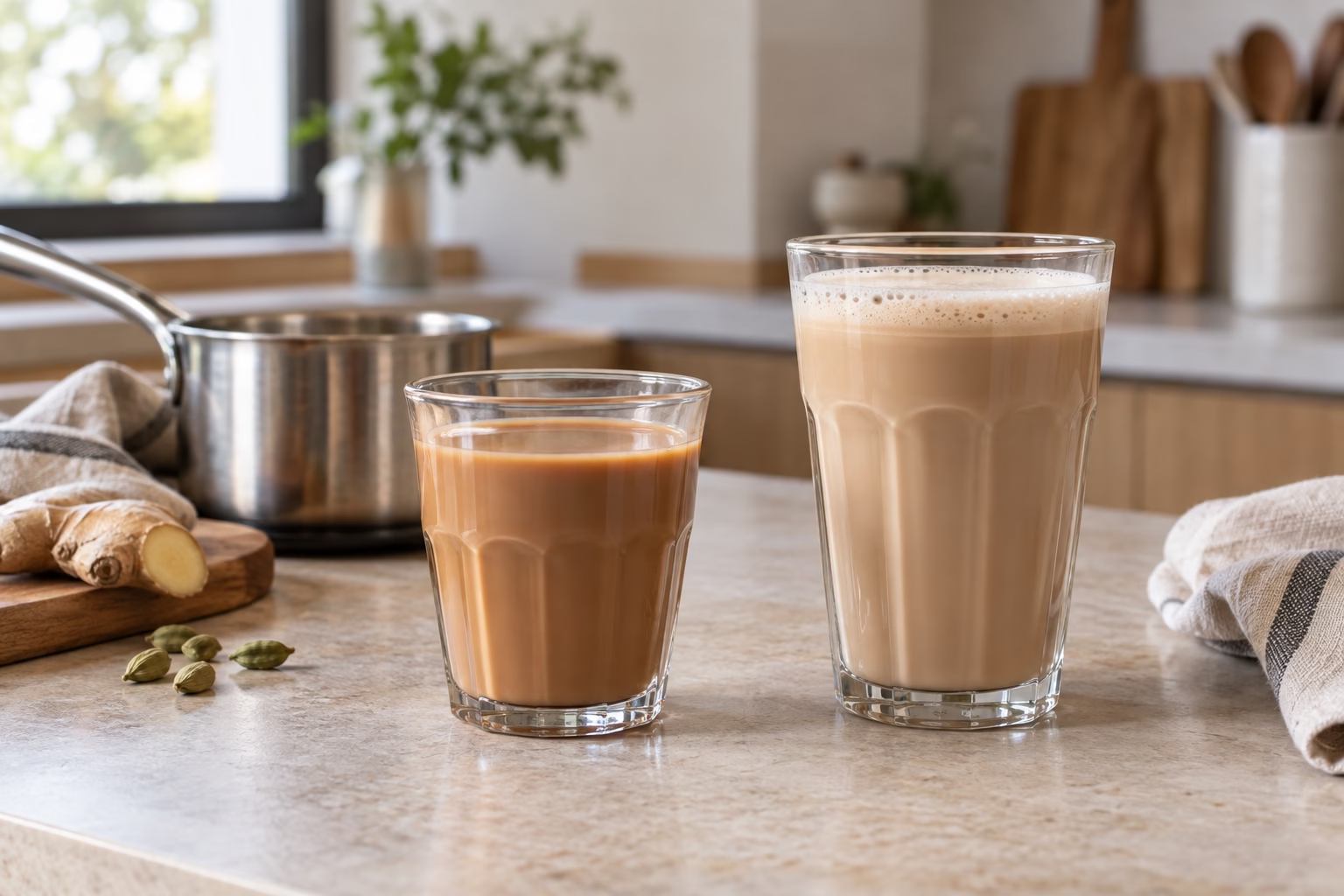
Order a chai latte at an American coffee shop, then make masala chai in a saucepan, and you may wonder how two drinks with tea, milk and spices ended up tasting so different.
The useful answer to masala chai vs chai latte is preparation. Masala chai commonly brings black tea, spices, water, milk and sugar together on the stove. A café chai latte usually combines a prepared spiced-tea base with milk, hot or iced. The ingredients overlap; the balance and method can differ considerably. Neither name tells you exactly how sweet, strong or spicy your cup will be.
Why the distinction matters on an American café menu
Chai has plenty of company on this fall’s drink boards. In its September 18, 2026 announcement, Dunkin’ highlighted both its regular Chai Latte and Harvest Spiced Chai Latte ahead of National Chai Day on September 21. Treat that date as an informal U.S. food observance, not an official holiday or an Indian historical celebration.
Starbucks’ 2026 fall menu includes Pumpkin Spice Chai, Iced Pumpkin Cream Chai and Iced Banana Bread Chai. These are specific café creations, with additional flavors and toppings, rather than definitions of masala chai. Our guide to fall tea drinks beyond the usual coffee order explores that seasonal menu territory.
Familiarity matters, too. The Wall Street Journal reported in September that some Starbucks chai customers were protesting recipe changes. That establishes dissatisfaction among those customers, not a verdict that the new drink is worse. It does explain why “chai” can mean a very particular expected flavor to the person ordering it.
First, what do chai and masala mean?
Chai means tea in Hindi. Masala refers to a spice mixture, so masala chai is spiced tea. In American café English, “chai” often serves as shorthand for the spiced milk-tea flavor people recognize. “Chai tea” is linguistically repetitive, but it is also an established menu phrase. There is no need to turn someone’s order into a vocabulary test.
The cultural distinction is more useful: Indian tea traditions are not one standardized recipe, and South Asia is not one interchangeable food culture. As tea maker Nissan Haque describes in his Saveur essay on chai’s variations, even relatives can have markedly different preferences. A family’s familiar version can be meaningful without representing everyone else’s.
Nor is today’s milk-and-spice preparation best explained as an unchanged ancient formula. Serious Eats’ history of tea in India traces the interplay of colonial tea production, domestic marketing and Indian approaches to brewing. That background deserves more care than a coffee-shop origin story.
Masala chai vs chai latte at a glance
These are common patterns, not requirements. A café may make its chai from scratch, and a household recipe may be sweeter or milkier than a latte.
| Detail | Masala chai | Café chai latte |
|---|---|---|
| Method | Tea and spices commonly simmered with water and milk | Spiced-tea base combined with milk |
| Tea base | Often loose black tea or small-particle black tea | House brew, concentrate, syrup or powder; check ingredients |
| Sweetness | Set by the maker’s recipe | May be built into the base or added separately |
| Texture | Integrated, cooked milk-tea character | Hot versions may have foam; iced versions do not require it |
| Espresso | Not a usual ingredient | Not usual unless ordered as dirty chai |
What goes into masala chai?
Black tea supplies the backbone. Milk contributes body, while water provides part of the brewing liquid. Sugar is common, with the amount left to the recipe and drinker. Ginger and cardamom are familiar choices; cinnamon, cloves, black pepper or fennel may also appear. You do not need every spice in the cupboard.
Small-particle black teas, including CTC tea, are often used for a forceful brew that holds up to milk. CTC describes a processing method that produces small granules. It is not a reason to dismiss the tea as unsuitable: the intended preparation matters. A delicate leaf chosen for drinking plain and a robust tea chosen for simmering have different jobs.
The order of operations varies. One maker might simmer spices in water before adding tea and milk; another works differently. Bringing the ingredients together over heat gives the maker control over extraction and concentration. Fresh ginger can be assertive, cardamom aromatic, and pepper distinctly pungent. That range is much wider than a single cinnamon-heavy flavor.
What makes a chai latte a latte?
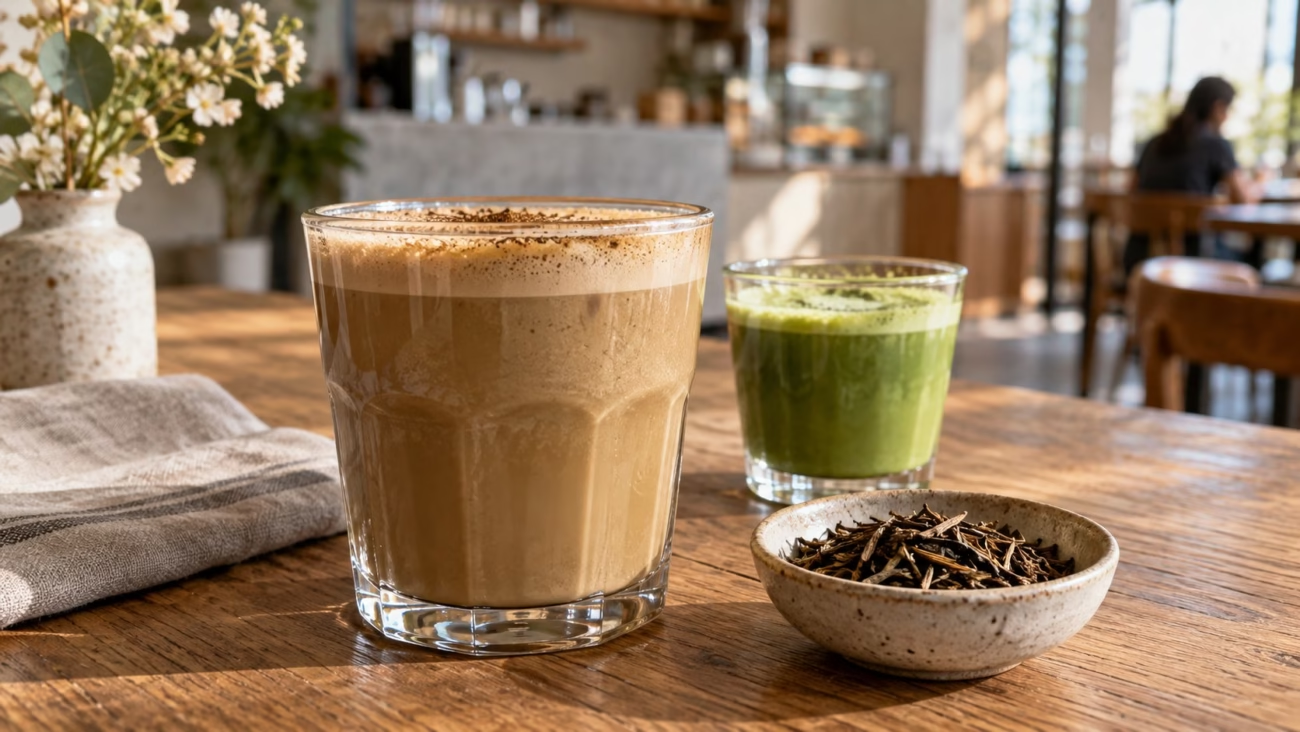
At a U.S. café, the name usually signals spiced tea with a substantial milk component, often borrowing the serving format of an espresso latte. A hot version may use steamed milk; an iced version combines the base with cold milk and ice. Foam is optional, and espresso is not implied.
The base is the important question. A shop might steep its own tea and spices, use a liquid concentrate, dispense a sweetened syrup, or mix a powder. Those choices affect both flavor and how much the barista can change your order. A powder may already contain milk ingredients; a concentrate may already contain sugar.
A well-made concentrate is a reasonable solution to a busy café’s needs. Consistency and quick service are genuine advantages. What becomes frustrating is a menu that offers customization without explaining its limits. If sweetness and tea are in the same base, reducing pumps can reduce both. Ask whether the shop can adjust sweetener separately before assuming “less sweet” means the same drink with less sugar.
Which tastes stronger, sweeter or spicier?
There is no dependable winner by name alone. A freshly simmered masala chai can have pronounced ginger, a firm black-tea edge and a cohesive cooked-milk flavor. Another version may be gentle and sweet. A chai latte can be creamy and dessert-like, or relatively dry and spice-forward if its recipe allows.
Think in separate dimensions: tea strength, spice intensity, sweetness and milkiness. More spice does not necessarily mean more tea. Less sugar does not automatically reveal a stronger brew. Extra milk can make a drink feel rounder while diluting its other flavors.
For your next order, try a specific question: “Is the chai base already sweetened?” Then ask whether it is brewed in-house and which spice is most noticeable. That conversation tells you more than asking whether the drink is “real chai.” If you want a dessert-like iced latte, there is nothing to apologize for. If you want ginger and black tea to lead, say so.
Does chai contain caffeine? And what is dirty chai?
Chai made with black tea contains caffeine. The amount depends on the tea, quantity used, brewing method, dilution and serving size. A chai latte is not automatically caffeine-free because it has no coffee, nor does every masala chai contain the same amount.
Dirty chai is a chai drink with espresso added. That introduces coffee flavor and additional caffeine. A regular chai latte ordinarily has no espresso, although a shop’s named specialty drink may have its own recipe. Check the description if avoiding coffee is important to you.
Tea-free spice infusions and decaffeinated options also exist; read the label instead of relying on “chai.” If you are exploring tea as an afternoon alternative to coffee, make the choice around the actual drink, not an assumption about its caffeine content.
Trying a stovetop version at home
You can explore the difference with a small saucepan, strainer, black tea, milk, water and a restrained selection of spices. There is no need to buy an elaborate blend before you know whether you prefer ginger’s bite or cardamom’s aroma.
A useful framework is to simmer lightly crushed spices in water, add black tea, then bring in milk and sweetener and simmer gently before straining. This is a flexible approach, not a tested AEROVYNX recipe or a universal household method. Use a published recipe for starting quantities, then adjust one variable at a time. Watch the pan closely: heated milk can rise quickly.
If the result feels thin, examine the tea strength and milk-to-water balance. If a clove overwhelms everything else, reduce that spice rather than compensating with more sugar. Plant-based milk can work, but flavor and behavior under heat vary by product. Follow its guidance and experiment with a small batch.
For a quick café-style version, follow a concentrate’s dilution instructions and add your preferred milk. Taste before adding sweetener. Keeping both approaches available is practical: a saucepan when you want to work with fresh spices, a concentrate when breakfast needs to happen.
Choose a cup that suits the drink
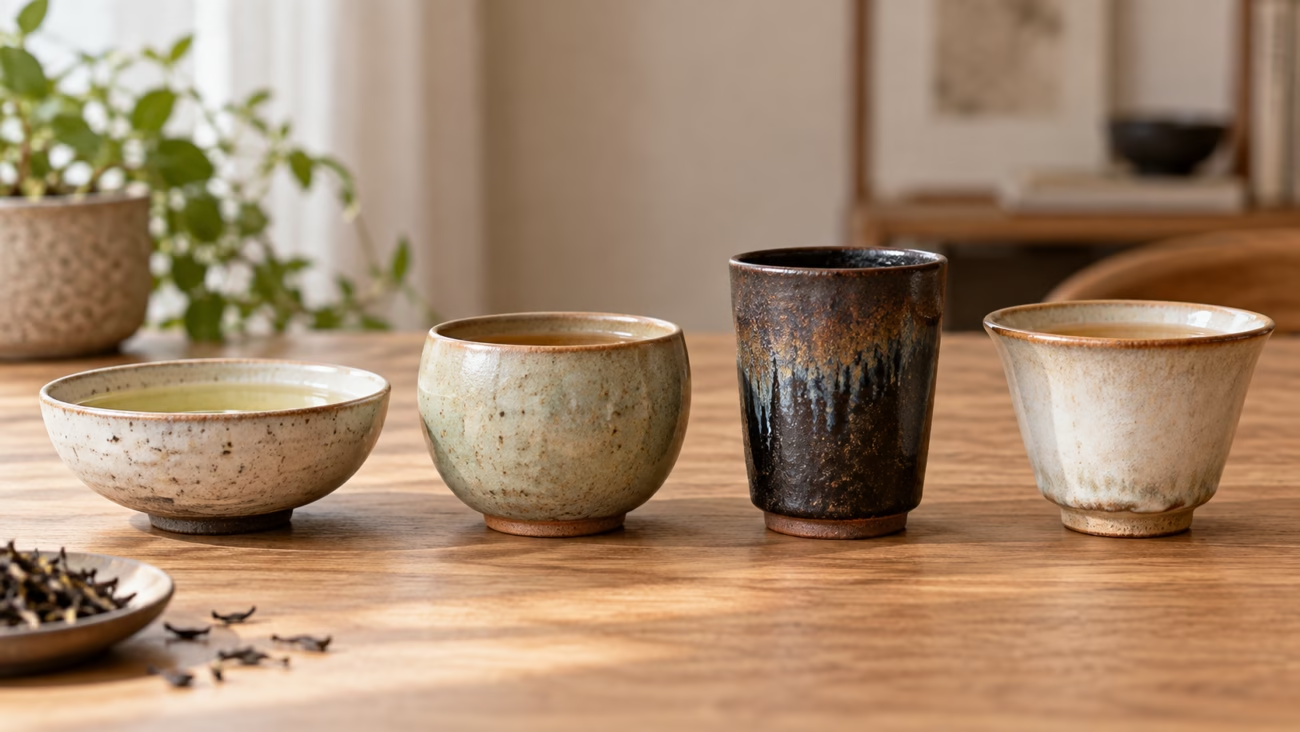
Milky chai is perfectly at home in an ordinary handled mug. A larger cup gives room for milk or foam; a smaller serving may suit a concentrated stovetop brew. For hot tea, use heat-safe drinkware and leave enough space to carry it comfortably. Nothing about enjoying chai requires specialized ceramics.
Our guide to choosing a cup for loose leaf tea takes the same practical starting point: match the vessel to what you actually drink. A cup that works beautifully for a small serving of plain oolong may be inconvenient for your morning chai latte.
Curiosity can lead elsewhere without making this drink a stepping-stone you must outgrow. You might explore straight black tea, try a different spice balance, or experiment with tea-based alcohol-free drinks. You can also keep ordering the same iced chai because you like it.
The better question is what you want in your cup
Masala chai and chai latte belong in the same conversation, but they should not be flattened into one recipe. Simmering tea with milk and spices invites a different kind of control from assembling a drink with a prepared base. Both can produce something worth drinking.
Try them with that difference in mind. Notice the tea underneath the milk, which spice lingers, and whether the sweetness suits you. Once you can name what you enjoy, the next order becomes easier. No authenticity contest required.