

Blog
Why Tea Houses in America Are Becoming the New Third Place

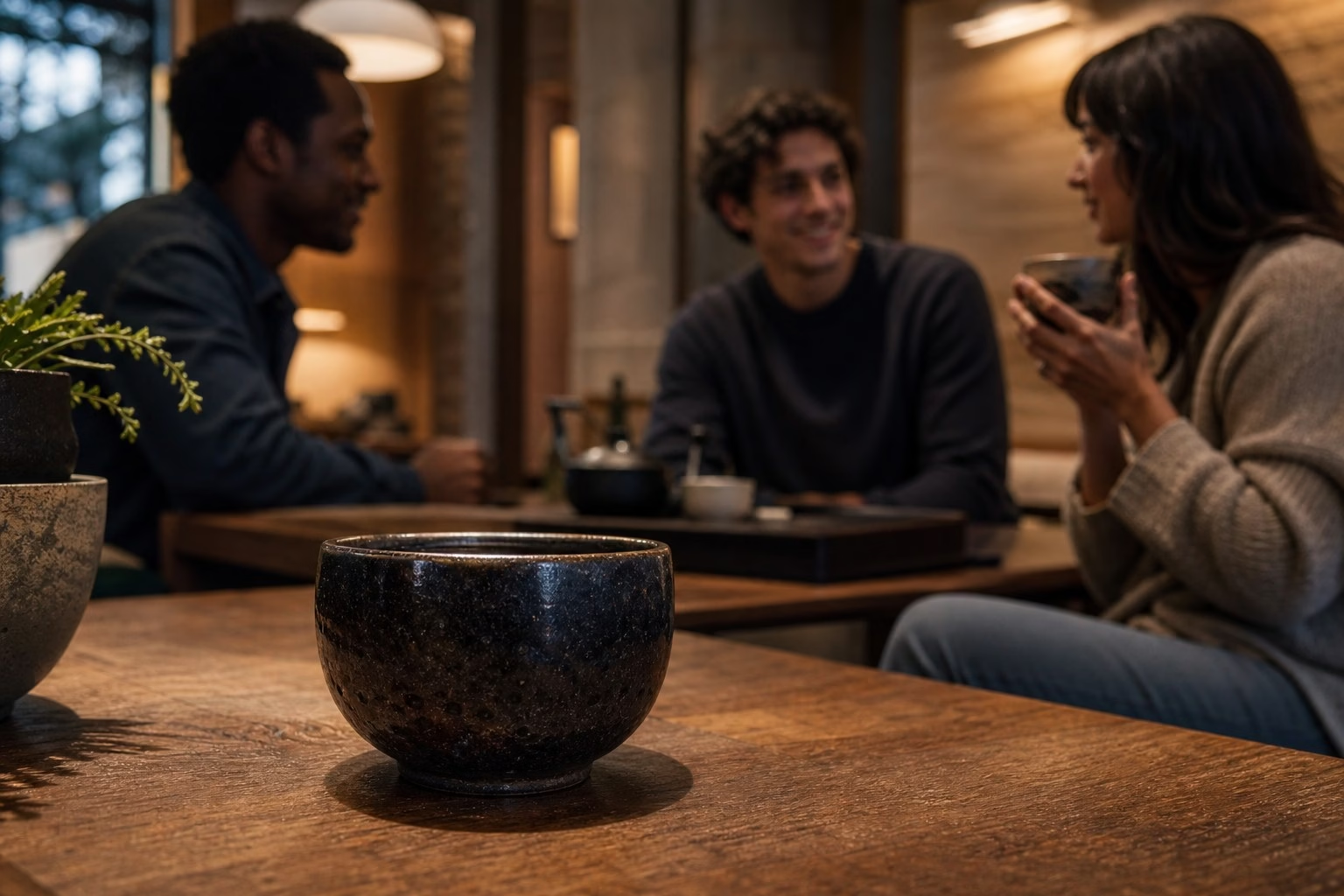
For decades, meeting someone for a drink in America usually meant coffee during the day or alcohol at night. Both still have their place. But another option is becoming easier to find: a late-night tea lounge, a neighborhood matcha bar, or a quiet room where friends share a pot of loose leaf tea instead of ordering another round.
These rooms do not all look alike. Some feel like minimalist cafés. Others host tastings, book clubs, music, or evening gatherings. A few draw closely from established tea traditions; many combine those influences with the habits and design language of the American cities around them.
The renewed interest in tea houses in America is about more than a new beverage category. It reflects a desire for places where people can settle in, pay attention, and spend time together without turning the occasion into a formal event. Once tea is served that way, preparation, atmosphere, and even the cup begin to carry more meaning.
Tea Houses Are Starting to Look Very Different in America
For many Americans, “tea house” once suggested a narrow set of experiences: formal afternoon tea, a traditional shop lined with tins, or a specialized room for people who already knew the language of tea. Those formats remain valuable. They now sit beside a much wider range of contemporary spaces.
Eater’s August 2026 reporting on the current U.S. tea moment moves from Tea at Shiloh in Los Angeles to Soft Hours in New York, Han Cha in Chicago, and Tian Tea House in Kansas City. The businesses are distinct. One is known for late-night herbal tea and jazz; another is laptop-free and centered on Chinese tea; another presents a two-hour tea salon; another shifts from tea by day to cocktails at night.
The newer tea houses in America do not follow one blueprint. Together, they show how flexible the idea has become. A modern tea house might use communal seating, a tasting counter, reservation-only evenings, educational classes, or a menu that lets a newcomer order an iced latte before trying a pot of oolong. Tea does not have to look old-fashioned to be taken seriously.
The most convincing spaces avoid treating culture as décor. They give guests enough context to be curious, then let the service, the room, and the tea do their work. That feels less like a historical reenactment and more like a living American hospitality format.
Why the “Third Place” Matters Again
Home is one place. Work or school is another. Most people still need somewhere else: a room where they can meet a friend, read alone, have an unhurried conversation, or simply be around other people for a while.
That is the everyday meaning of a third place. The term can sound academic, but the need is ordinary. An apartment may feel too private for a casual first meeting. A restaurant can turn an hour of conversation into a full meal. A crowded coffee shop may be organized around laptops and to-go orders. A bar works beautifully for some evenings, yet it is not always the atmosphere someone wants.
Tea creates a different pace almost by accident. A pot takes time. Some loose leaf teas invite more than one infusion. There is a natural pause between pouring, drinking, and beginning again. The table already has an activity, but the activity is quiet enough to leave room for talk.
A tea house is still a business, and buying one drink cannot guarantee unlimited space. Nor can any café solve loneliness or repair a neighborhood’s social life. What a thoughtful tea room can do is make a certain kind of gathering easier: casual enough to arrange on short notice, comfortable enough to last, and structured around something gentler than constant consumption.
Gen Z Is Rethinking What a Night Out Has to Look Like
“Sober curious” is often written about as if it were a fixed identity. In real life, it can describe many choices. Someone may stop drinking, alternate alcoholic and alcohol-free nights, order more selectively, or simply want plans that do not assume alcohol from the start.
Recent U.S. research supports that more nuanced picture. Gallup’s 2026 update found American drinking remained at the low point of its long-running measure. At the same time, Morning Consult’s work with legal-drinking-age Gen Z adults found interest in low- and no-alcohol options can grow alongside conventional bar-going. Younger adults are not following one script.
The change is less dramatic than the sober-generation shorthand suggests. Bars, coffee shops, restaurants, and tea lounges can coexist. People simply have more choices about what an evening together can feel like.
Tea fits that expanded menu because preparation provides a shared focus. Friends can compare infusions, split a pot, or watch a server measure leaves and control the water. A person can arrive alone with a book, meet one friend for an hour, or join a tasting where the subject of conversation is already waiting in the cup.
For people who spend much of the day moving between screens, the tactile simplicity of that experience can feel substantial. The phone does not have to disappear. It just does not need to direct the evening.
Matcha Opened the Door, but American Tea Culture Is Moving Beyond the Latte
Matcha gave tea a highly visible place in contemporary American beverage culture. It entered coffee-shop menus, home café videos, bakery collaborations, and the routines of customers who might never have walked into a traditional tea store.
The iced matcha latte deserves credit. Its familiar format made an unfamiliar ingredient approachable, while its color and preparation made it easy to share online. The latte is not an obstacle to “real” tea. For many people, it is the first reason to look more closely.
Curiosity often grows from there. One matcha tastes grassy; another feels rounder or more savory. A customer starts asking where it was grown, why the price varies, or how whisking changes the texture. Some eventually explore sencha, hojicha, oolong, white tea, or a loose leaf black tea they had never seen on a grocery shelf.
Specialty operators are making that next step easier. Kettl currently offers matcha classes and regional tastings alongside its cafés, turning questions about origin and preparation into guided experiences. This progression will feel familiar to anyone who watched specialty coffee open the door to premium tea culture: an accessible drink creates interest, then some customers want to learn what sits behind it.
Most latte drinkers will never book a tasting flight. The curious ones, however, now have somewhere to go next.
When Tea Becomes an Experience, the Cup Stops Being Invisible
A paper cup is designed to disappear. It contains the drink, travels well, and asks almost nothing from the person holding it. That is exactly what a rushed morning sometimes requires.
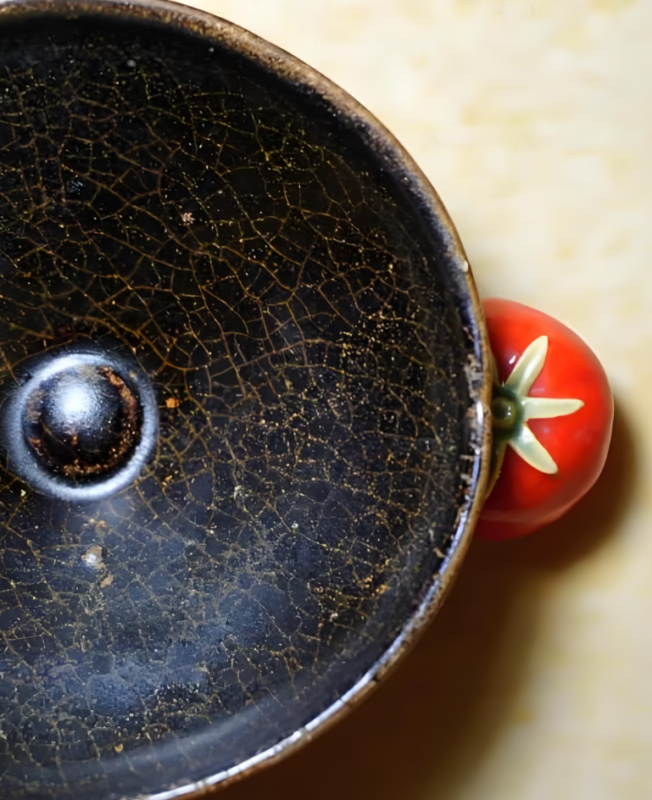
Sitting down changes the relationship. The weight of a cup becomes noticeable. So do the thickness of its rim, the warmth moving through the ceramic, and the way a glaze catches low light. Pale green tea may look especially vivid against a dark interior. A textured surface gives the fingers something to register between sips.
These details do not guarantee better-tasting tea. A beautiful vessel cannot rescue poor leaves or careless brewing. Sensory experience, however, extends beyond flavor. Glassware shapes a cocktail; a plate changes how a restaurant dish arrives; a tea cup helps set the pace and mood of the drink.
Chicago’s Han Cha tea salon makes the connection unusually clear. Its two-hour tea experience is served on ceramics from Theaster Gates’s Dorchester Industries, placing the vessel inside an experience built around tea and conversation. The ceramics are part of the service, not background décor.
Why Handmade Ceramics Fit the New Tea House Culture
Handmade ceramics suit many contemporary tea spaces because they retain evidence of making. A rim may be slightly less regular than another. Glaze can gather around a curve or thin near an edge. The surface may reveal small variations that would be rejected in a tightly standardized factory run.
That individuality is not automatically superior. A well-designed mass-produced mug can be durable, affordable, consistent, and easy to replace. For a busy café, those qualities may be essential.
Handmade work appeals to a different set of priorities. It invites the owner to notice material, technique, and the decisions of the maker. In a room built around slower service, a cup with visible character feels at home because it reinforces the same sense of attention.
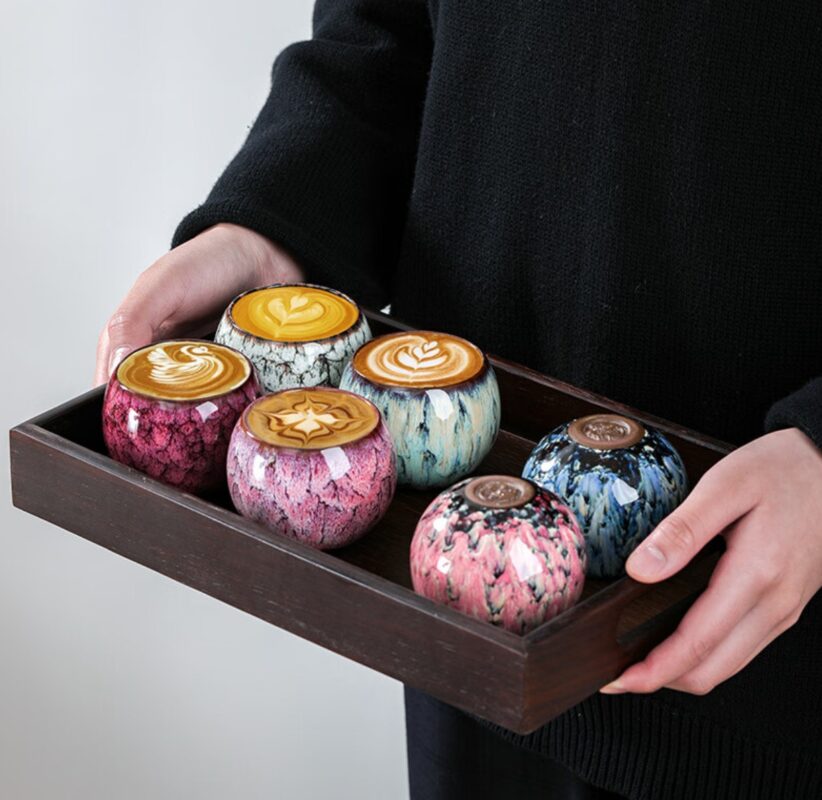
The idea travels well from the tea house to an apartment kitchen. A useful introduction is our earlier look at why tea rituals are becoming popular in America. Readers who want to compare forms and glaze styles can also browse the AEROVYNX tea cup collection without assuming that one shape is right for every routine.
Where Jianzhan Fits Into This New American Tea Experience
Jianzhan becomes relevant here because it is a ceramic tradition built around material character.
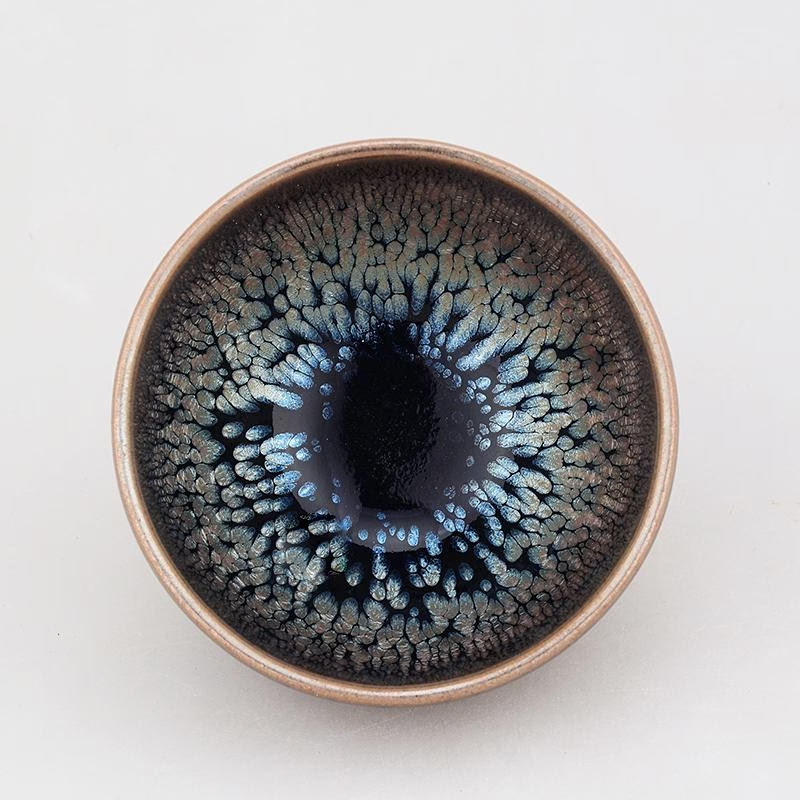
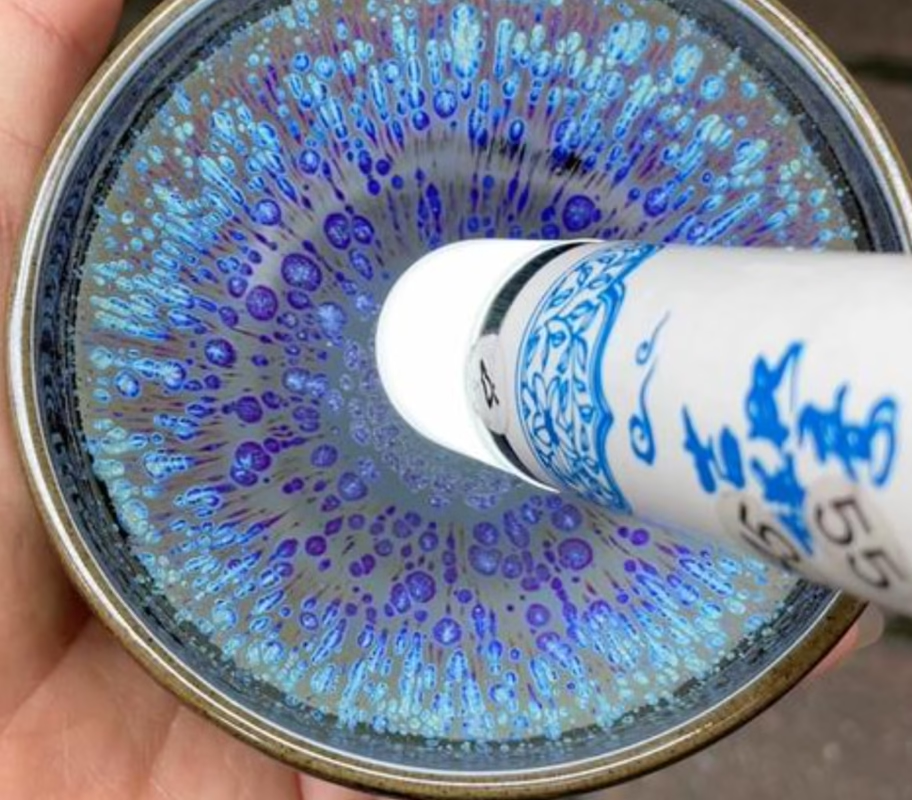
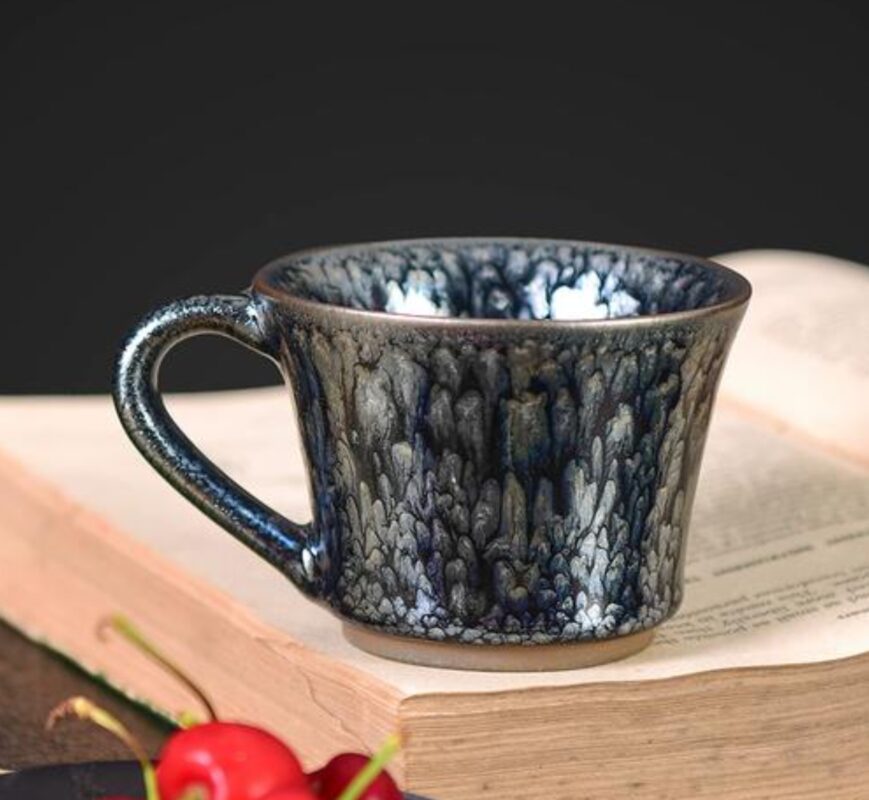
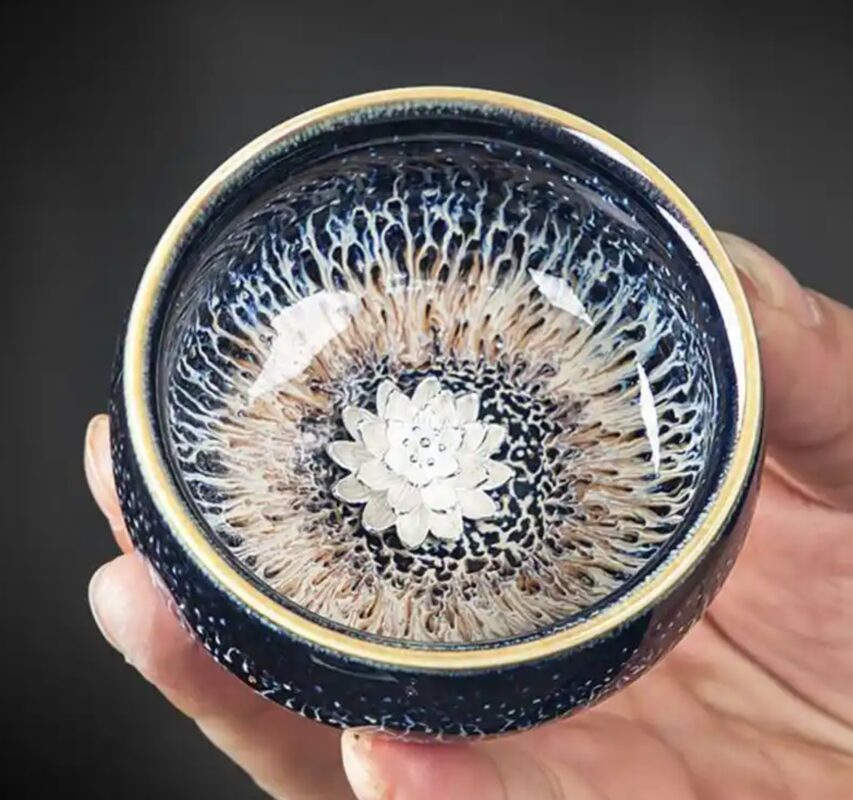
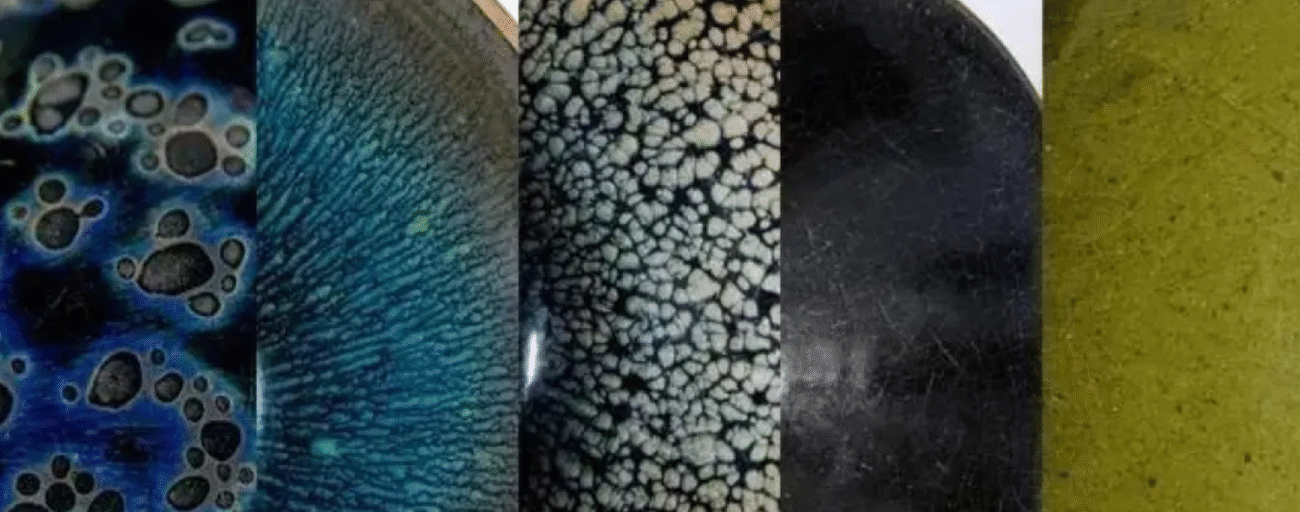
Originating in Jianyang, Fujian, Jianzhan uses an iron-rich clay body and a dark glaze whose appearance develops in the kiln. Heat, glaze composition, placement, and atmosphere interact during firing, producing streaks, spots, and tonal variation that cannot be planned with the precision of a printed surface. Even cups made in the same workshop can emerge with distinct markings.
A small amount of history helps: Jian ware became celebrated during China’s Song dynasty, when dark bowls were closely associated with the tea culture of the period. Yet a modern American drinker does not need to begin as a collector. The immediate appeal is physical. A Jianzhan tea cup can feel grounded in the hand, and its glaze often rewards the changing light of a room.
Material character is the more honest reason to care about it. Jianzhan does not release magical benefits into tea, cure anything, or objectively improve flavor. It offers material depth, tactile presence, and handmade variation to someone who values those qualities.
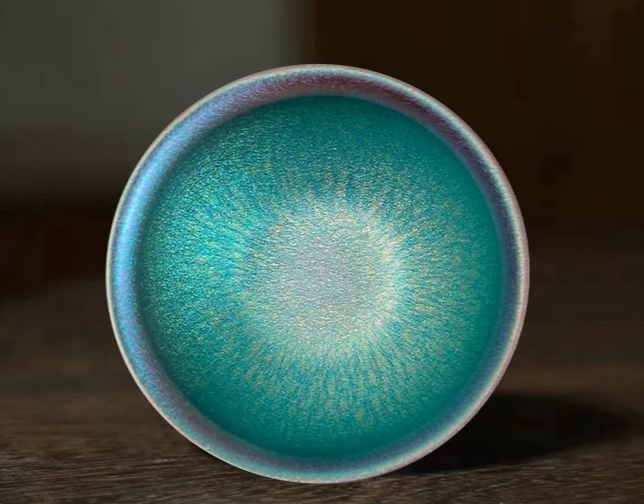
For one practical reference, the 180 ml Cells Tea Cup shows how a cell-like crystalline glaze can give a compact serving cup a strong visual identity. The capacity and form matter as much as the pattern; a cup should fit the portion someone actually drinks.
You Do Not Need a Traditional Tea Ceremony to Use One
The easiest way to make unfamiliar teaware useful is to stop treating it as ceremonial equipment.
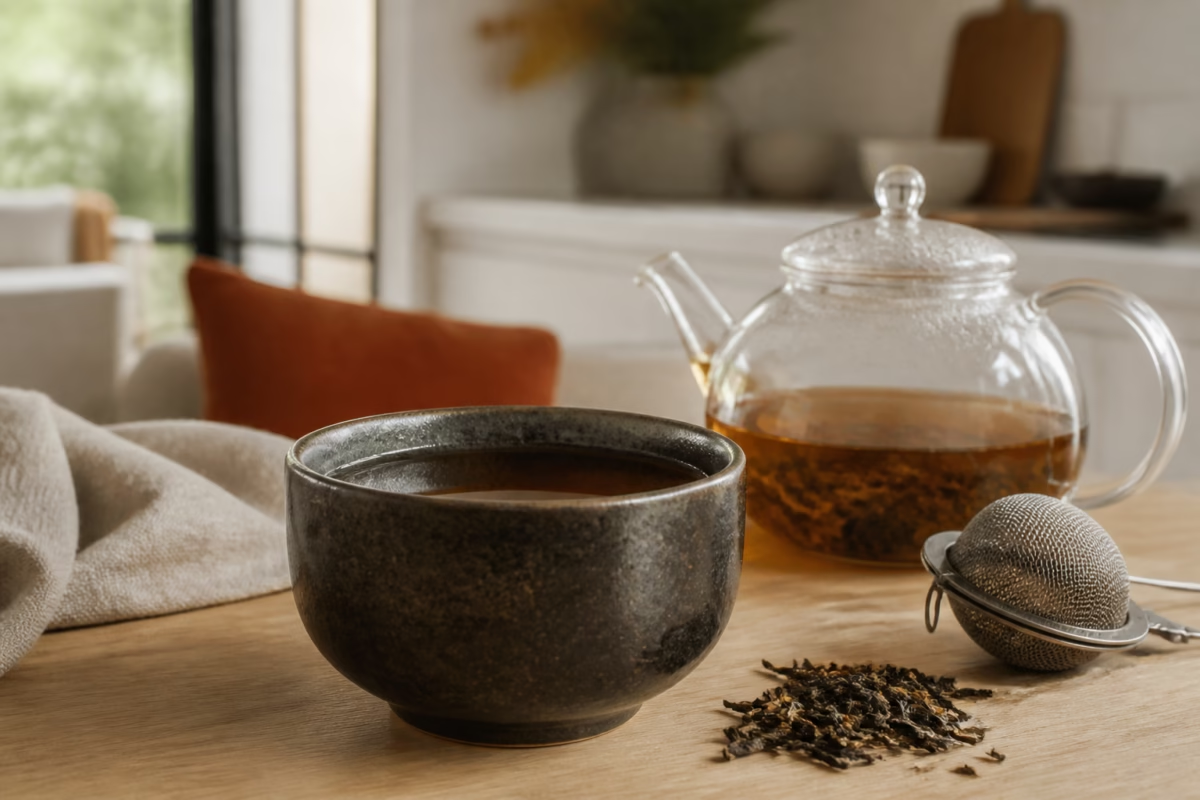
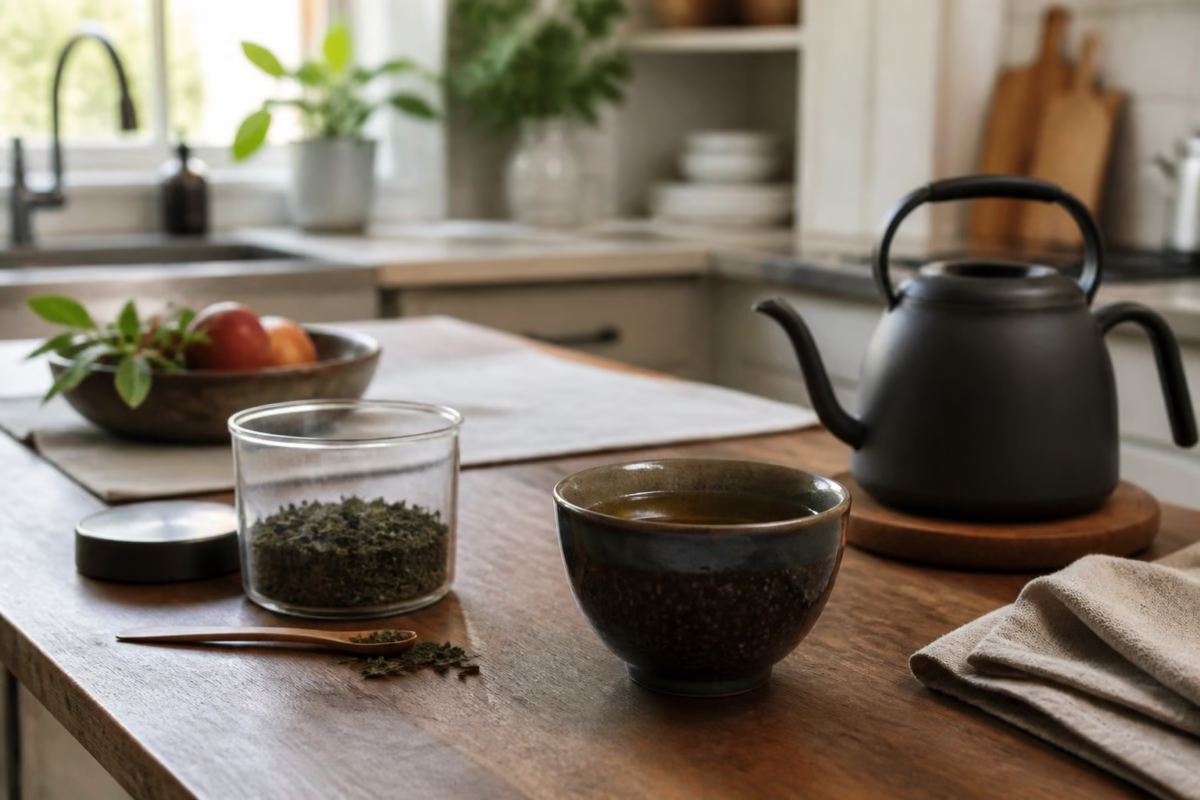
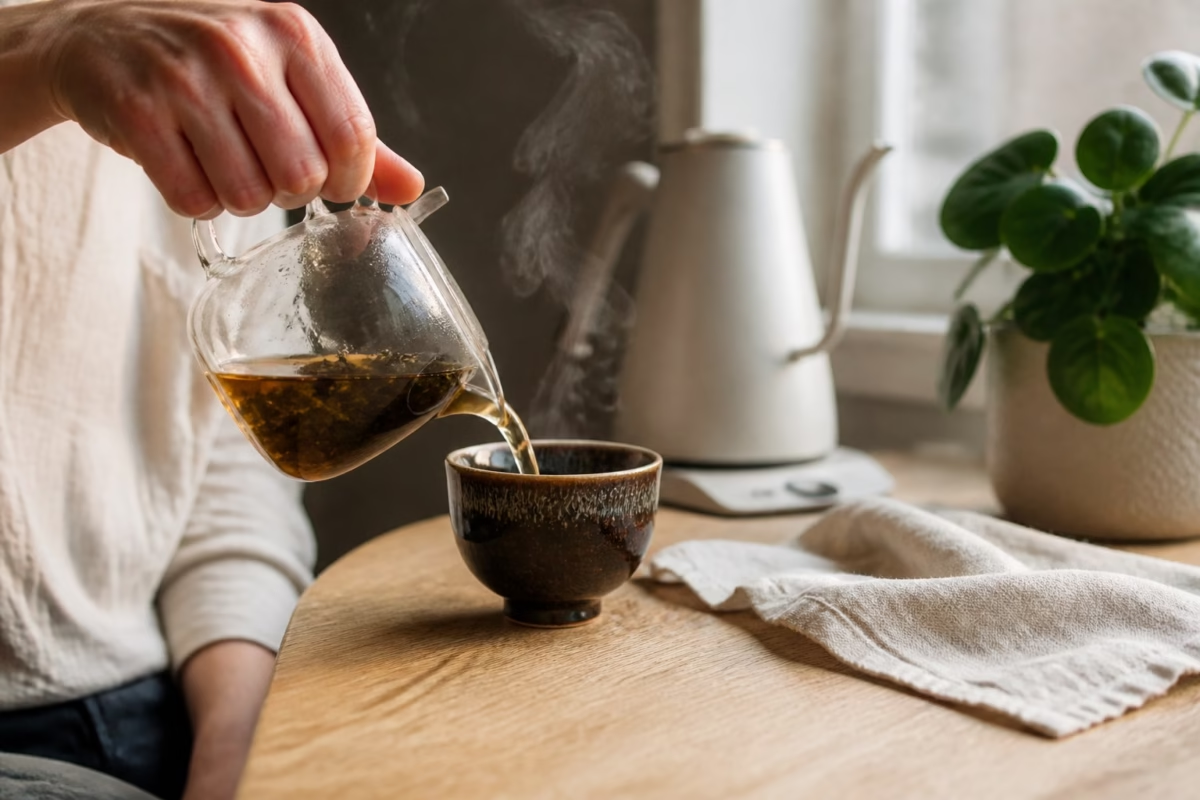
A Jianzhan cup can sit beside a modern electric kettle. Tea can be brewed in a glass pot, a basket infuser, or whatever brewer is already in the kitchen. It can hold black tea after breakfast, green tea in the afternoon, white tea on a quiet weekend, or oolong shared with a friend.
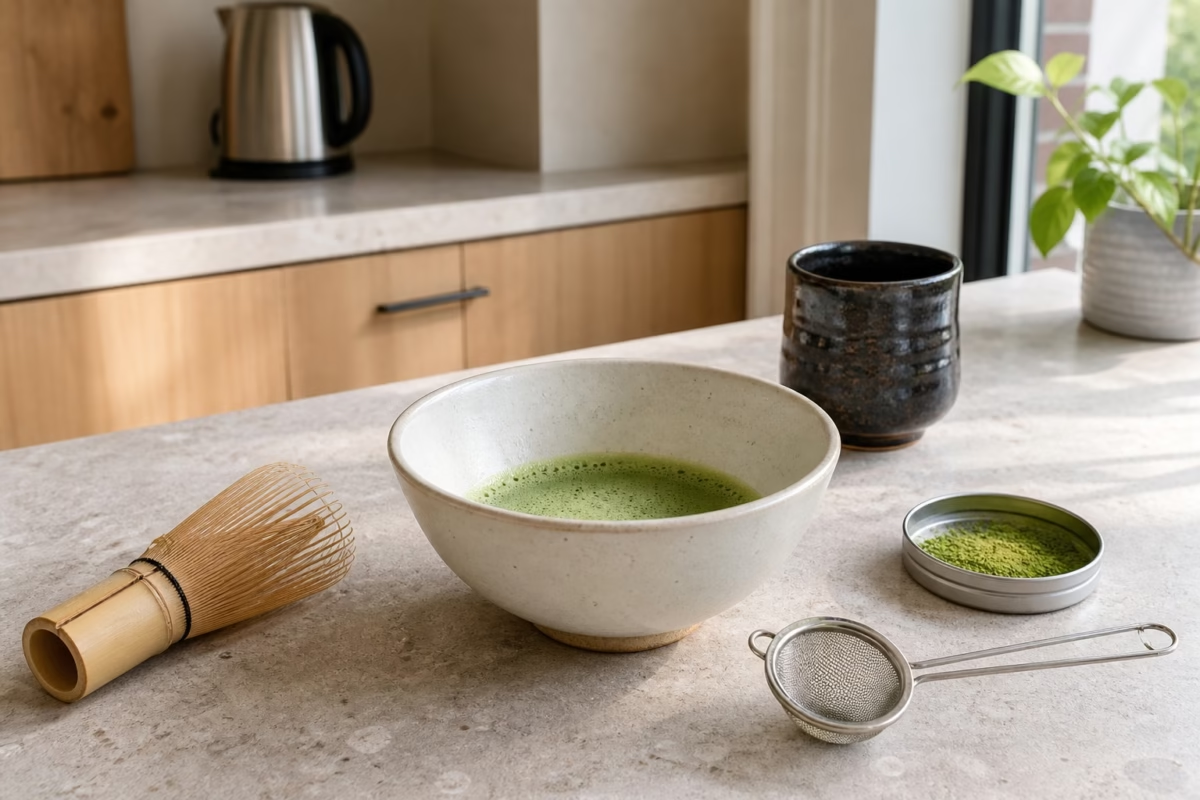
Matcha needs a little more care. A small drinking cup is not necessarily a practical substitute for the wide bowl used for whisking. Matcha can be prepared in a suitable bowl and poured into an appropriately sized cup for serving, but checking the vessel’s dimensions and capacity first is the credible approach.
No complete tea set is required. Choose a cup that fits the serving size, feels comfortable in the hand, and can be used often. Teaware becomes part of modern American life through repetition, not display.
The Bigger Story Is Not Really About Tea
The return of the tea house says something about how people want to spend an evening. Many are looking for places that feel social without being frantic, thoughtful without becoming solemn, and designed without making every visitor feel as though they have entered a luxury showroom.
The most interesting tea houses in America understand that balance. They do not ask guests to become experts before sitting down. They offer a drink with enough depth to hold attention, a room where conversation can breathe, and objects that feel good to handle.
A handmade cup is a small part of that environment. Its importance should not be exaggerated. Yet small things often distinguish a place people visit once from a place they begin to think of as their own.
The modern tea house works because it gives contemporary American life something it often lacks: somewhere to sit, something tactile to notice, and no urgent reason to leave after the first cup.



One thought on “Why Tea Houses in America Are Becoming the New Third Place”