

Blog
Why Tea Tastes Better When You Slow Down — The Psychology Behind Tea Rituals

Tea sometimes tastes better even when nothing about the tea has changed.
The same leaves.
The same water.
The same brewing temperature.
Yet one cup feels rushed and forgettable, while another feels deeper, warmer, and far more satisfying.
The difference may not be in the tea itself.
It may be in the way you experience it.
This is one reason tea rituals matter. Slowing down does not magically change the chemical composition of tea, but it changes what you notice: the aroma before the first sip, the warmth of the cup, the texture of the liquor, and the aftertaste that would otherwise disappear unnoticed.
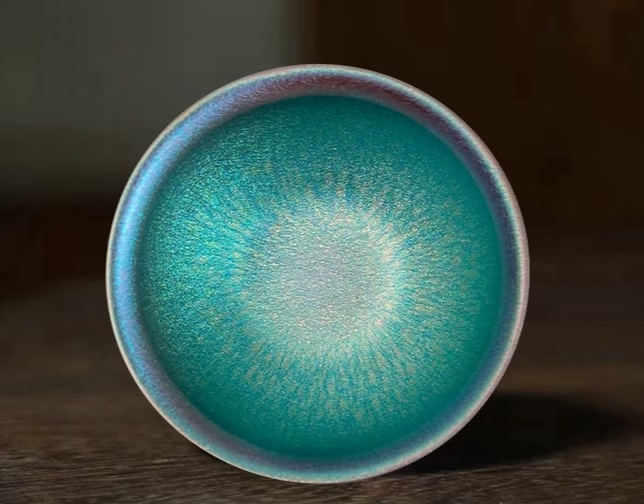
A thoughtful cup—especially a handmade ceramic tea cup such as Jianzhan (Tenmoku)—can help create that pause.
Not by demanding attention.
By quietly inviting it.
Why Does Tea Taste Better When You Slow Down?
Taste is not experienced by the tongue alone.
Aroma, temperature, texture, expectation, environment, and attention all influence the tea drinking experience.
When you drink quickly while reading emails or scrolling through your phone, your attention is divided. You may register whether the tea is hot, bitter, or sweet, but miss the smaller details between those broad impressions.
When you slow down, you begin noticing more:
- the aroma rising from the cup
- the change in flavor as the tea cools
- the weight and texture of the liquor
- the difference between bitterness and astringency
- the sweetness that remains after swallowing
The tea may be exactly the same.
Your awareness is not.
That is the quiet psychology behind many tea rituals.
What Is a Tea Ritual?
A tea ritual does not need to be formal.
It does not require a dedicated tea room, an expensive collection, or years of ceremonial training.
A daily tea ritual can be as simple as:
- Warming the cup
- Measuring the tea
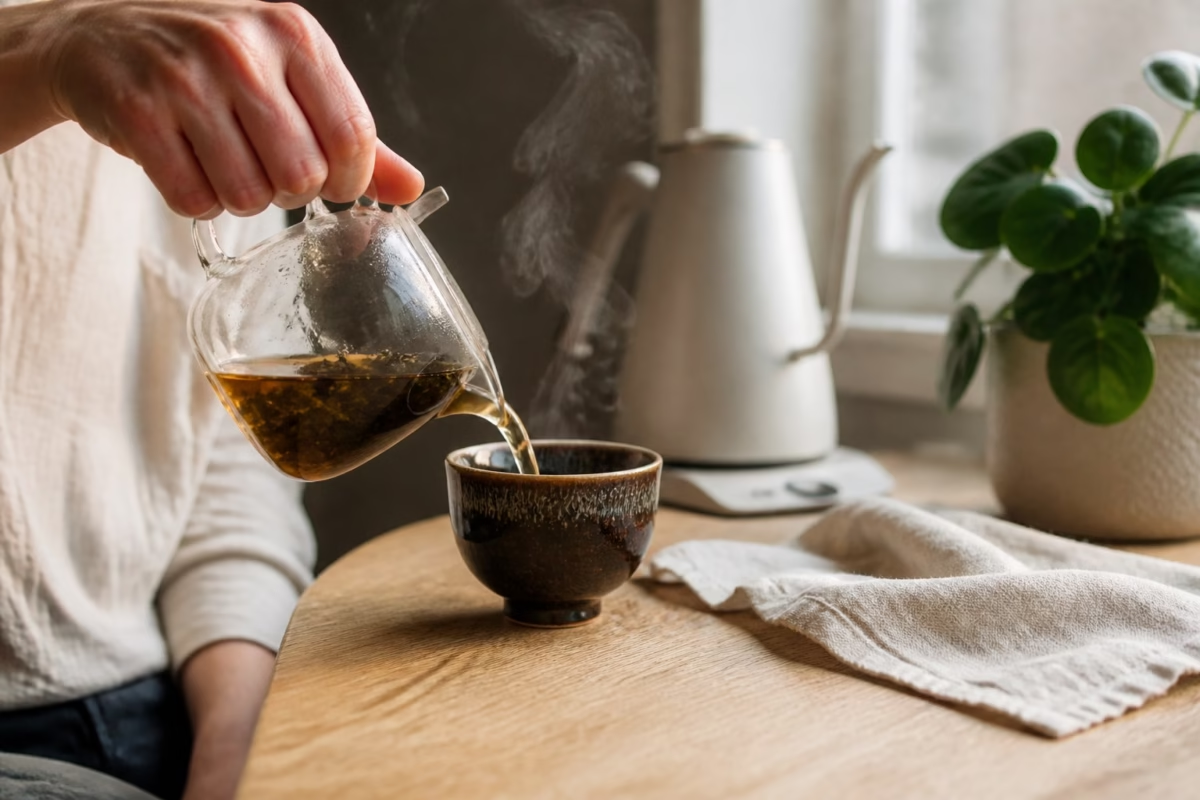
- Pouring water slowly
- Waiting without checking your phone
- Smelling the tea before drinking
- Taking the first sip with full attention
The power of the ritual comes from repetition.
When the same small actions happen regularly, they create a boundary between ordinary activity and a more focused moment.
That is why morning tea can feel different from tea consumed absent-mindedly at a desk.
The ritual signals that this moment deserves attention.
The Psychology Behind Mindful Tea Drinking
Modern life trains us to move quickly between tasks.
We drink while working.
Eat while watching.
Rest while scrolling.
As a result, many sensory experiences become background noise.
A mindful tea ritual reverses that pattern for a few minutes.
The act of preparing tea creates a simple sequence. Instead of reacting to multiple streams of information, attention narrows toward a few physical details:
- water
- warmth
- aroma
- texture
- movement
This focused attention can make the tea drinking experience feel fuller and more memorable.
The ritual does not need to be framed as therapy or presented as a cure for stress. It simply creates space—a brief period when the mind is not being pulled in several directions at once.
That is often enough to make ordinary tea feel more rewarding.
Why the Tea Cup Matters to the Ritual
The cup is the final point of contact between the tea and the drinker.
Its shape affects how aroma reaches the nose.
Its thickness affects how warmth reaches the hands and lips.
Its weight affects how quickly or carefully it is lifted.
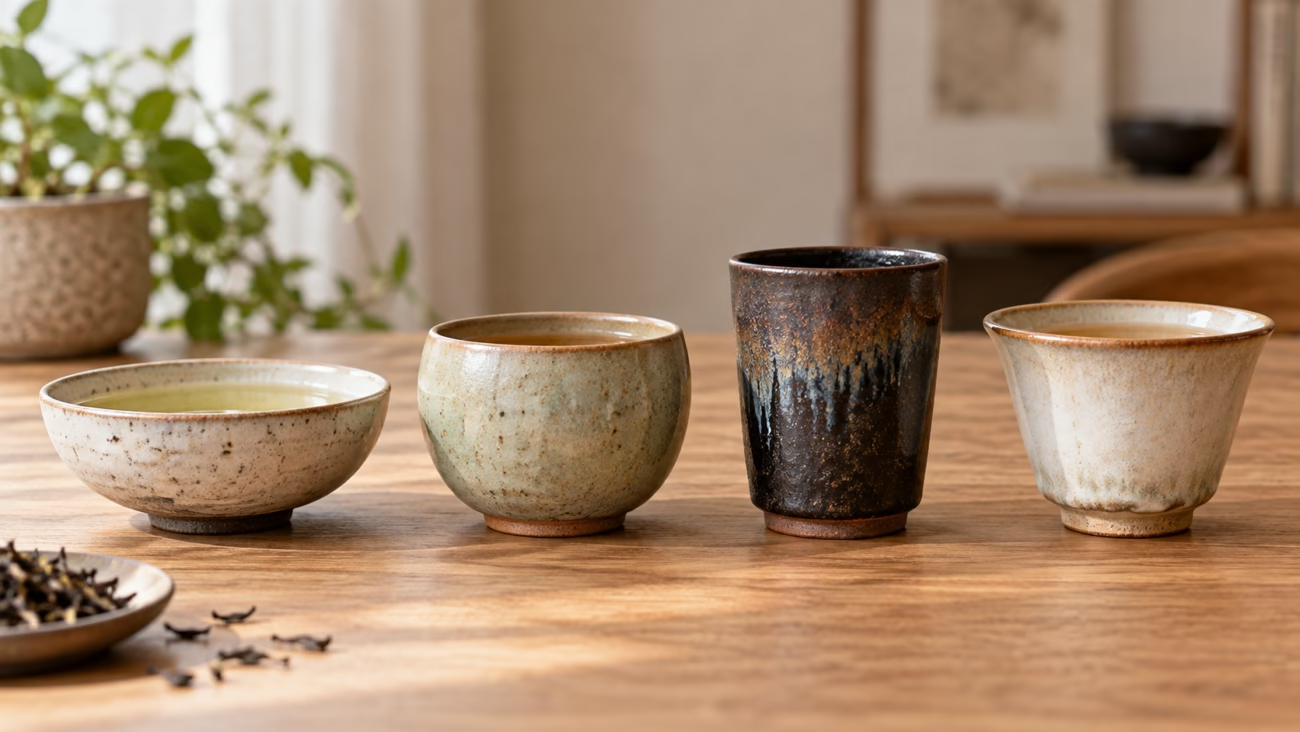
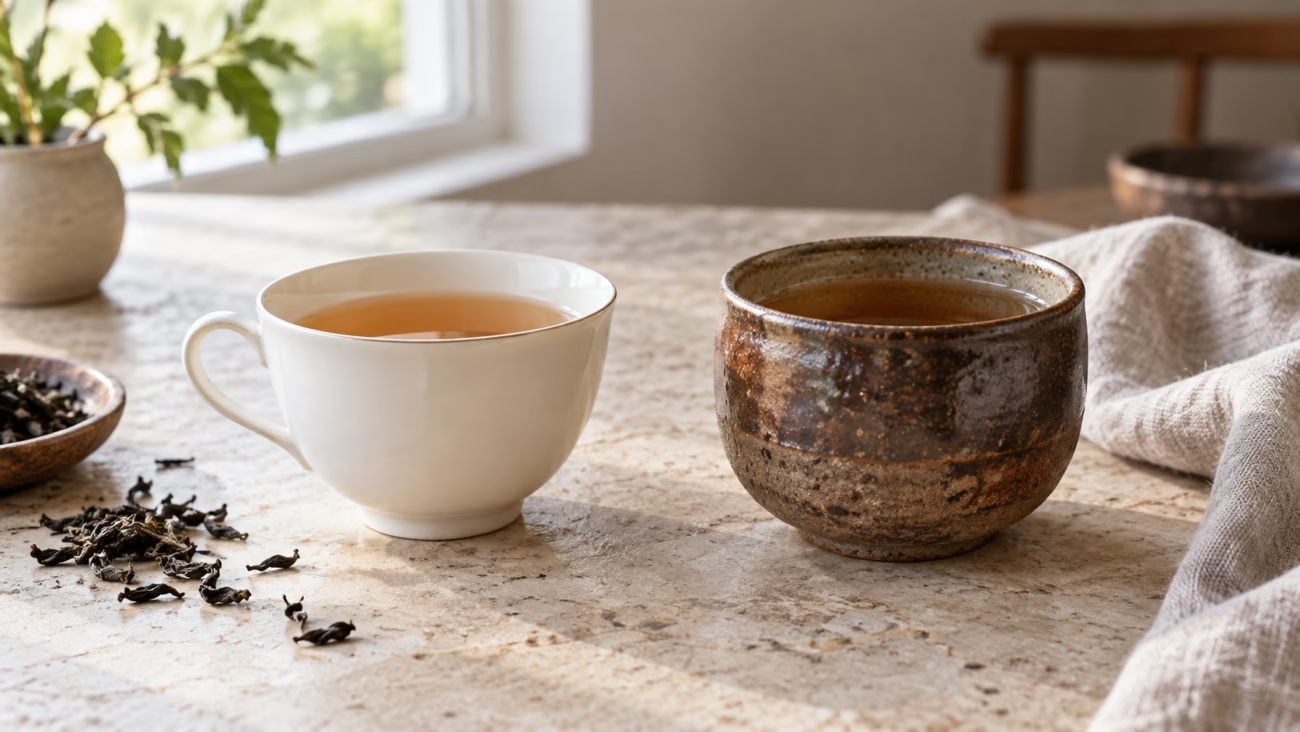
This is why changing from a thin glass cup to a handmade ceramic tea cup can alter the experience, even when the tea remains unchanged.
A smooth, lightweight cup often disappears into the routine.
A handmade cup tends to remain noticeable.
You feel:
- the curve beneath your fingers
- the weight resting in your palm
- the warmth held inside the clay
- the slight variations left by hand and kiln
Those tactile details encourage a slower pace.
And when the pace changes, perception often changes with it.
Why Jianzhan Tea Cups Encourage Slower Drinking
A Jianzhan tea cup has a distinctly grounded presence.
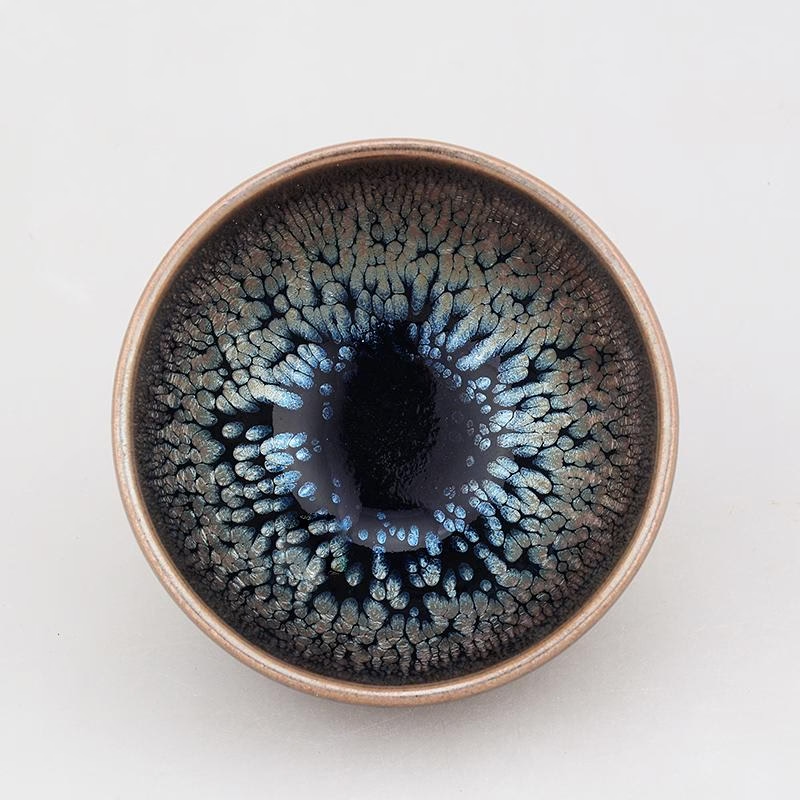
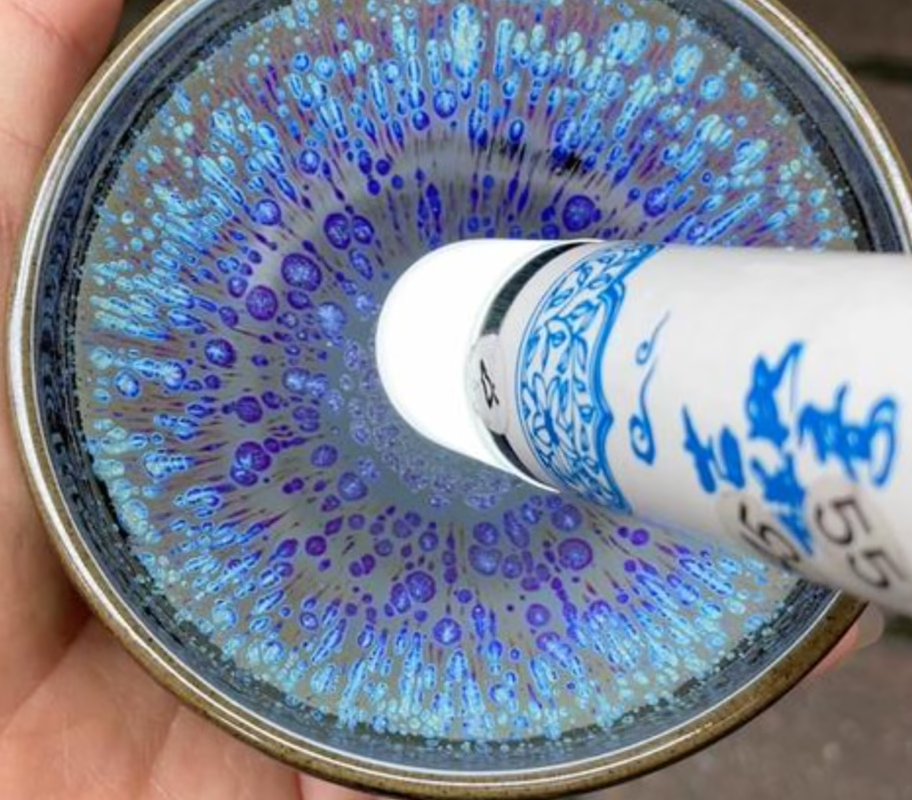
Traditional Jianzhan is made from iron-rich clay and fired at high temperatures. Its darker glaze may reveal oil-spot, hare’s fur, or other kiln-formed patterns depending on the firing conditions.
At first, the surface can appear almost black.
Then light moves across it.
Silver points emerge.
Blue undertones appear beneath the glaze.
Steam softens the reflections.
Because these details are not immediately obvious, the cup rewards attention rather than demanding it.
This is part of what makes Jianzhan suitable for a slow tea ritual. The object gives you something to notice before, during, and after drinking.
Not only the tea.
The entire moment.
The Role of Aroma, Temperature, and Attention
Tea changes continuously after it is poured.
When it is very hot, some aromas are difficult to distinguish. As it cools, floral, roasted, fruity, or mineral notes may become easier to notice.
Drink too quickly, and you experience only one stage.
Drink slowly, and the tea unfolds.
A ceramic tea cup can support this slower progression by retaining warmth more steadily than thin glass. The tea remains within a comfortable range longer, allowing you to experience how aroma and texture evolve.
This does not mean ceramic automatically makes every tea objectively better.
It means the cup can create conditions that encourage closer tasting.
That distinction matters.
The value of the ritual comes from attention, not exaggerated claims.
Tea Rituals vs. Tea Consumption
Tea consumption is functional.
You drink because you are thirsty, tired, cold, or looking for caffeine.
A tea ritual includes function, but adds awareness.
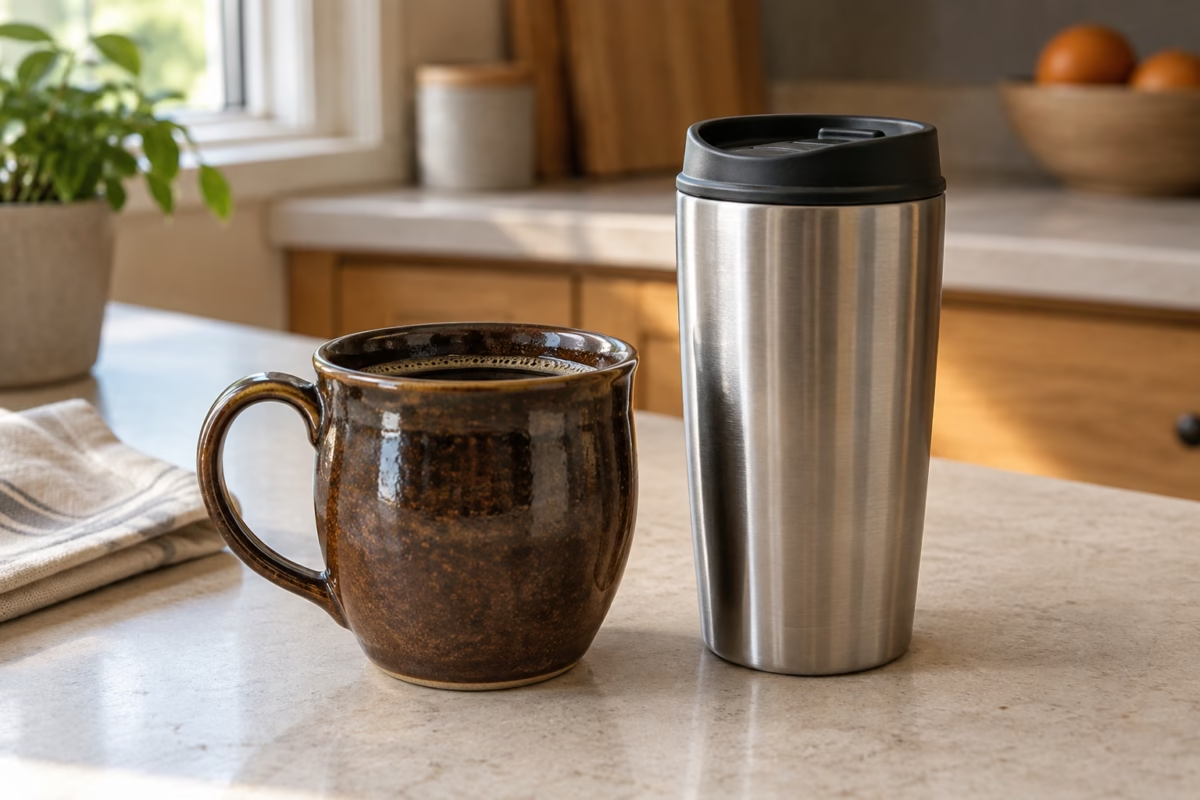
Tea consumption often looks like:
- filling a large mug
- drinking while working
- barely noticing temperature or aroma
- finishing without remembering the experience
A slow tea ritual may include:
- warming a smaller cup
- brewing more than one infusion
- noticing aroma before tasting
- observing how flavor changes
- creating a few screen-free minutes
Neither approach is morally better.
But they produce different experiences.
One satisfies a practical need.
The other turns an ordinary action into a meaningful pause.
[CURATED PICK] — The Five-Minute Ritual
A meaningful tea ritual does not need to take an hour.
Five uninterrupted minutes can be enough.
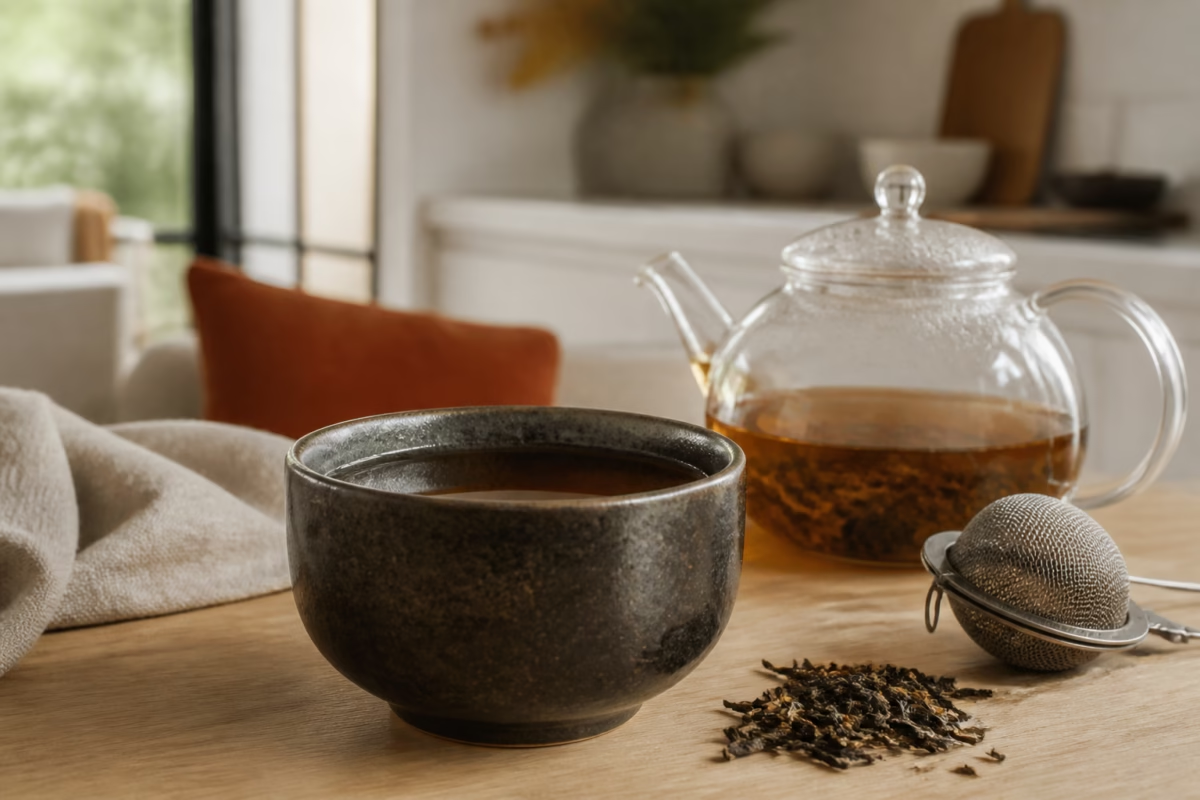
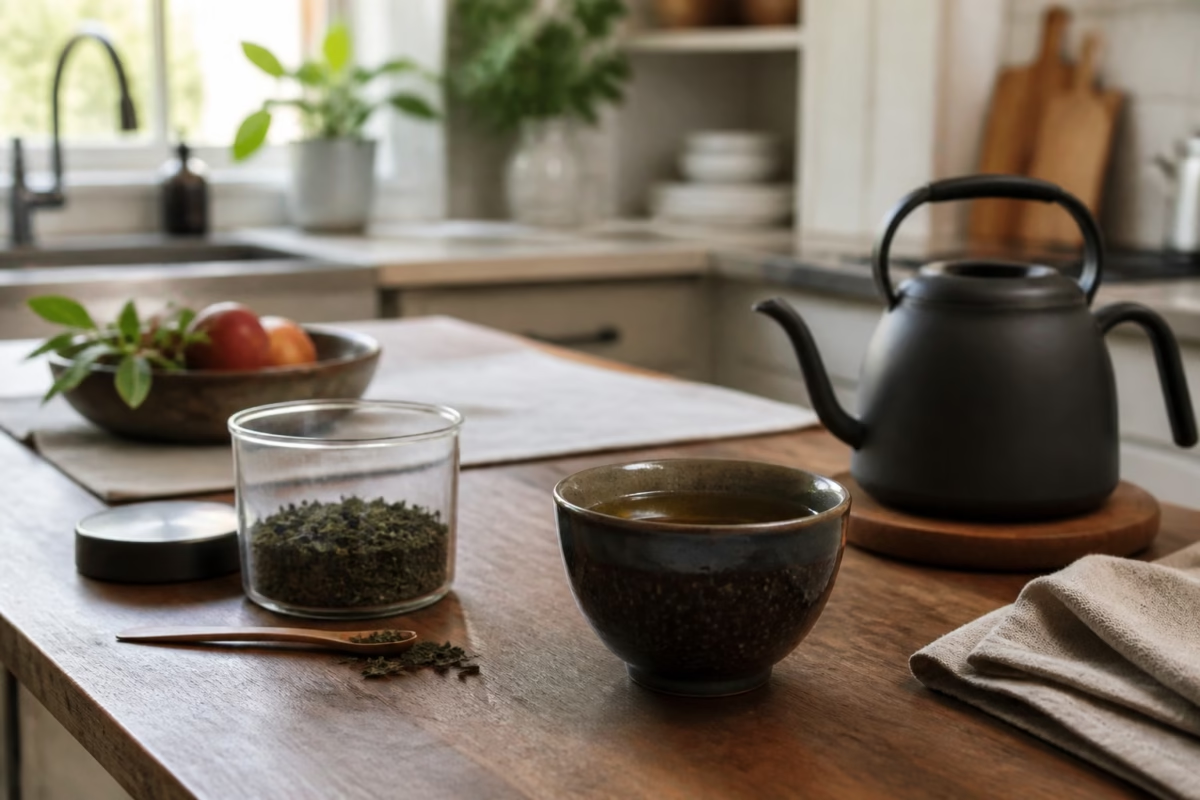
Place a handmade Jianzhan cup near a window or on a simple wooden tray. Warm it with hot water, then pour a small serving of tea.
Before drinking, pause.
Notice how the steam moves against the dark glaze.
Feel the warmth reach your hands.
Smell the tea before identifying it.
Take one sip without doing anything else.
The value is not in performing the ritual perfectly.
It is in allowing one part of the day to remain undivided.
That is a quiet form of luxury modern life rarely provides.
The Best Tea Is Not Always the Most Expensive Tea
People often assume a better tea experience requires rarer leaves or more expensive equipment.
Sometimes it does not.
An ordinary oolong can feel extraordinary when it is brewed carefully and tasted without distraction.
A premium tea can feel flat when it is rushed.
Context matters.
The cup matters.
The temperature matters.
The atmosphere matters.
Your attention matters.
This is why a handmade tea cup can improve the experience without pretending to transform average tea into something chemically different.
It helps you notice what was already there.
How to Build a Simple Daily Tea Ritual
A practical tea ritual should be easy to repeat.
Complicated routines often disappear after a few days. A small ritual becomes sustainable because it fits naturally into daily life.
Try this simple approach:
Choose one regular time
Morning before checking email, late afternoon after work, or evening before bed.
Use one dedicated cup
A familiar handmade tea cup creates continuity and helps mark the beginning of the ritual.
Brew a smaller serving
A smaller quantity encourages slower drinking and makes it easier to notice temperature changes.
Remove one distraction
Place your phone out of reach for five minutes.
Taste without judging
You do not need professional vocabulary. Notice whether the tea feels light, roasted, soft, drying, sweet, or warm.
The goal is not expertise.
The goal is presence.
Why Handmade Objects Strengthen Daily Rituals
A repeated ritual becomes more personal when it includes an object with character.
Handmade ceramics carry small signs of their making:
- slight variations in shape
- glaze pooling
- throwing marks
- exposed clay
- kiln-created patterns
These details prevent the object from feeling anonymous.
Over time, familiarity develops. You begin recognizing the weight before lifting it and the texture without looking.
The cup becomes associated with the ritual itself.
That relationship is difficult to create with disposable or easily replaced objects.
It is also why many people keep a favorite handmade tea cup for years.
[Sensory Note]
The first sip is only part of the experience.
There is also the weight before lifting, the warmth before tasting, the aroma before swallowing, and the silence after setting the cup down.
A slow tea ritual makes these small transitions visible again.
Jianzhan complements that experience because its dark glaze changes subtly with light, tea, and movement.
Nothing about it needs to feel theatrical.
The details are enough.
Can Tea Rituals Support a Calmer Routine?
A tea ritual should not be presented as medical treatment.
But it can provide a repeatable pause within a crowded schedule.
That pause may be:
- five quiet minutes before work
- a screen-free break in the afternoon
- a transition between work and home
- a slower way to end the evening
The ritual creates structure around rest.
The cup becomes a physical reminder that not every moment needs to be optimized, recorded, or rushed.
This is where Jianzhan fits naturally into modern life.
It is not merely a historic tea vessel.
It can be a practical object for creating small, intentional spaces in an otherwise fast day.
Why Tea Tastes Better When You Pay Attention
Tea does not always taste better because the leaves are better.
Sometimes it tastes better because you finally notice it.
You notice:
- the first aroma
- the changing temperature
- the texture across the tongue
- the sweetness after the sip
- the warmth remaining in the cup
Slowing down allows those details to become part of the experience.
And a handmade Jianzhan tea cup can support that slower rhythm through weight, warmth, texture, and visual depth.
The cup does not create the ritual alone.
But it can make the ritual easier to return to.
Explore Handmade Jianzhan Tea Cups at aerovynx
Explore the aerovynx collection of handcrafted Jianzhan and Tenmoku tea cups selected for slow tea rituals, tactile warmth, and meaningful everyday use.
Prefer the depth of scattered metallic light?
Explore the Oil-Spot Collection.
Prefer quieter, flowing lines beneath the glaze?
Explore the Hare’s Fur Collection.
Choose the cup that makes you want to pause—not only display it.


One thought on “Why Tea Tastes Better When You Slow Down — The Psychology Behind Tea Rituals”