
Blog
Tea Cup Shape Guide: Wide vs Tall, Thin vs Thick Rim

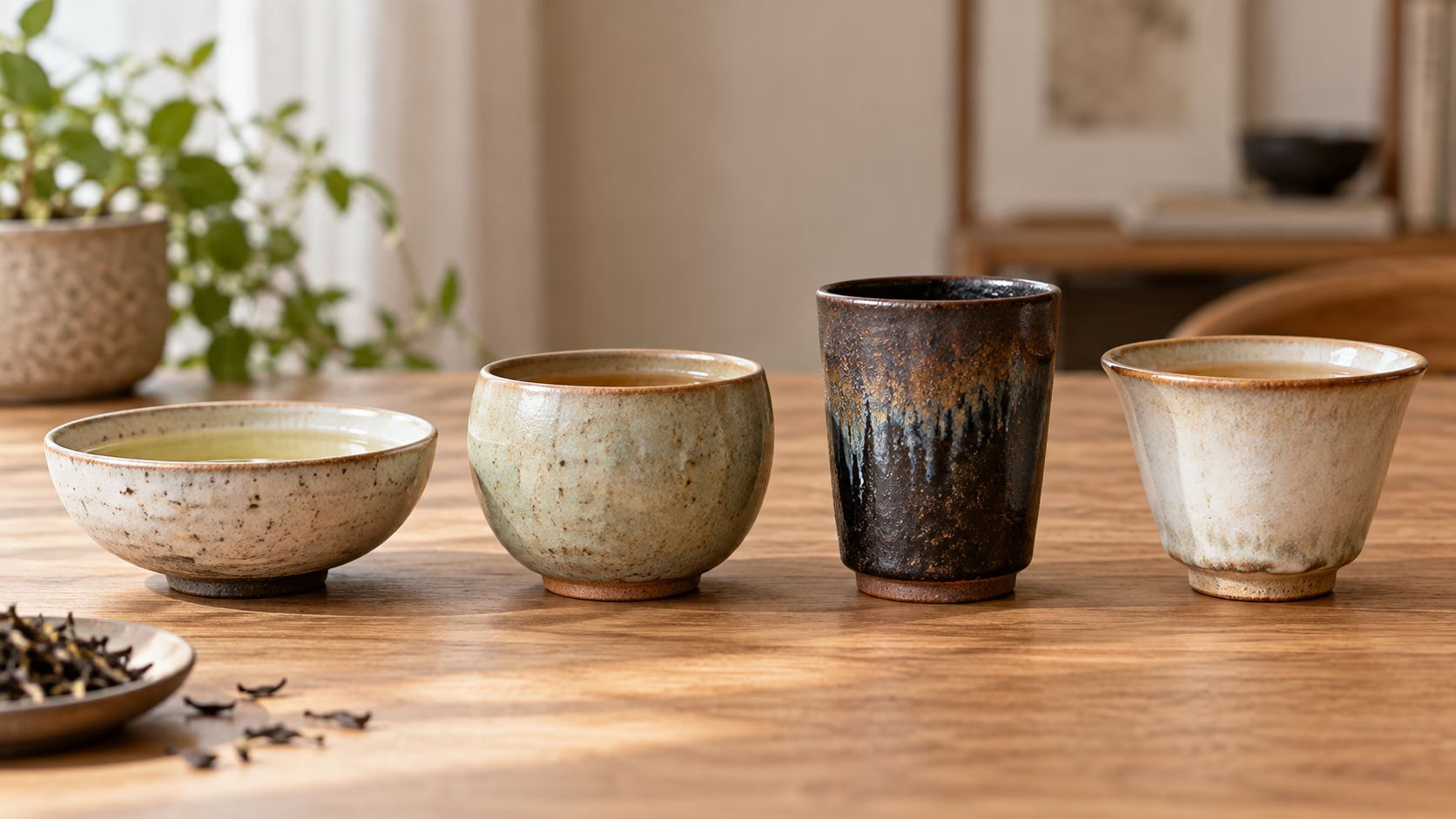
Two tea cups can hold nearly the same amount and still feel like different objects. One is broad and shallow. Another is tall and narrow. One meets the lips with a thin, slightly flared edge; another has a rounded rim with more weight behind it.
Those differences are easy to dismiss as styling when you are scrolling through product photos. They are much harder to ignore once the cup is in your hand. Tea cup shape changes how you hold a drink, how quickly you can approach a hot pour, how the rim feels, how much of the tea surface is exposed, and what you expect before the first sip.
American drinkware coverage is paying attention to those practical preferences. A September 2026 Consumer Reports staff roundup found strong opinions about everyday vessel size, form, durability, weight, and convenience. In the hospitality market, Foodservice Equipment Reports noted current interest in mixing shapes, textures, glazes, and makers. Neither source proves that one cup is superior. Both show why the vessel is not an afterthought for many drinkers.
The short answer is that shape matters, but there is no scientifically perfect shape for every tea. Leaf quality, water, brewing temperature, and steeping time still do more to determine the drink. Shape influences the way you encounter it.
Start With the Rim, Not the Glaze
The rim is the point where cup, tea, and mouth meet. That makes it the first detail worth checking, even when the glaze is what caught your attention.
A relatively thin rim can feel light and precise. There is less ceramic between the drink and the lips, which some people find delicate and unobtrusive. Thin is not automatically better, however. A poorly finished edge may feel sharp, and a very fine rim may be less reassuring in a busy sink.
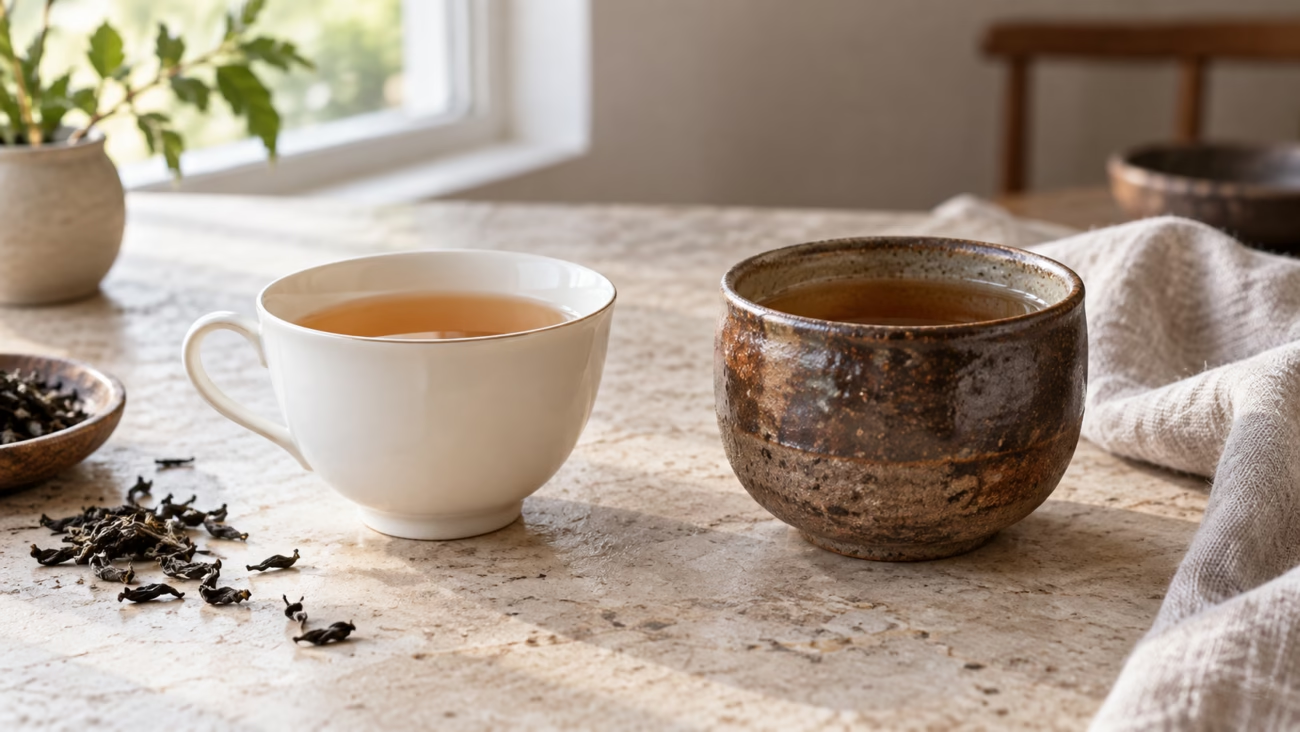
A thicker, rounded rim has more presence. It can feel soft against the lips, substantial in the hand, and closer to the familiar experience of a stoneware mug. Some drinkers enjoy that relaxed contact. Others feel that a heavy lip gets in the way. This is a preference question, not a quality ranking.
Finish matters as much as thickness. Run a finger around the rim when shopping in person. Online, look for clear close-ups and a smooth, even edge. Handmade variation is welcome; chips, sharp spots, and poorly finished glaze are not. A dramatic surface cannot rescue a cup that is uncomfortable to drink from.
Research gives this practical observation some context. A 2024 study of 102 participants reported associations between cup width, height, rim thickness, surface smoothness, and participants’ ratings of tea taste and aroma. A separate Applied Food Research study examined cup-rim material and softness and found differences in flavor and temperature perception, including with green tea.
These are multisensory perception studies. They do not establish that a thin rim makes tea sweeter, that ceramic removes bitterness, or that one profile works for everyone. What touches the lips can influence a person’s experience without changing the tea’s chemistry.
Wide and Shallow Cups Feel Faster
A wide cup generally exposes more liquid surface than a narrower vessel holding a similar amount. That can encourage faster heat exchange, give the nose easy access to the open surface, and make it comfortable to begin sipping sooner.
The word can matters. Cooling also depends on the volume of tea, starting temperature, wall thickness, cup mass, material, and room conditions. Without controlled testing, it would be misleading to promise that a wide cup cools tea by a particular percentage or reaches a target temperature in a fixed time.
A wide, shallow profile often suits smaller servings and people who dislike waiting for very hot tea. It also gives a clear view of the liquor and the interior glaze. The tradeoff is a more open vessel: it can feel less secure when carried around a desk or room, and the format becomes less practical as capacity grows.
Tall and Narrow Cups Feel More Contained
A taller, narrower cup exposes less surface at the opening than a very wide bowl of similar capacity. It often feels enclosed and controlled, particularly to someone accustomed to Western mugs or tumblers. Depending on the specific profile, it may also direct aroma toward the nose differently.
That does not mean a tall cup traps all aroma or always keeps tea hot longer. A thin-walled tall cup and a heavy, wide stoneware cup are not a simple physics contest. Construction and serving volume still matter.
Tall forms can be pleasant for slower sipping, but check how the cup balances. A stable foot and comfortable center of gravity matter if the vessel is narrow. Also notice whether the opening leaves enough room for your nose as you tip the cup. A shape that looks elegant in a listing may feel cramped to a particular drinker.
Straight, Flared, or Inward Rim?
Small changes at the top of the cup can be more noticeable than a dramatic glaze pattern.
Slightly flared
A rim that opens outward may make sipping feel easy and keep the edge away from the face. It creates an open drinking posture and works well for people who want the tea to move readily toward the lip. Too much flare can feel exposed or awkward to carry.
Straight
Straight walls can feel simple, modern, and controlled. Comfort depends on the wall angle and finish: a straight cup with a carefully rounded edge is very different from one with a blunt or uneven rim.
Slightly inward
An inward curve creates a more enclosed vessel. It may change how aroma and warmth are perceived around the opening, although it should not be marketed as a universal flavor advantage. Some drinkers enjoy the contained feel; others prefer more space near the face.
| Shape feature | What you may notice | Good fit |
|---|---|---|
| Wide and open | More exposed surface; tea may become comfortable to sip sooner | Smaller pours, visible liquor, drinkers who dislike lingering heat |
| Tall and narrow | More enclosed feel and a familiar mug-like profile | Slower sipping, contained handling, desk use in a stable form |
| Thin rim | Light, precise contact at the lips | People who prefer a delicate drinking feel |
| Rounded thick rim | Soft, substantial contact with more ceramic presence | Relaxed sipping and drinkers who like stoneware mugs |
| Flared rim | Open approach and easy liquid flow toward the lip | Direct sipping when a broad opening feels comfortable |
| Straight rim | Simple, controlled feel; finish becomes especially important | Minimal forms and everyday use |
Shape and Size Work Together
A 60-milliliter wide cup and a 300-milliliter wide mug are not equivalent just because both are broad. Capacity changes the filled weight, number of sips, serving time, and amount of liquid exposed to the air. A useful tea cup shape comparison must include size.
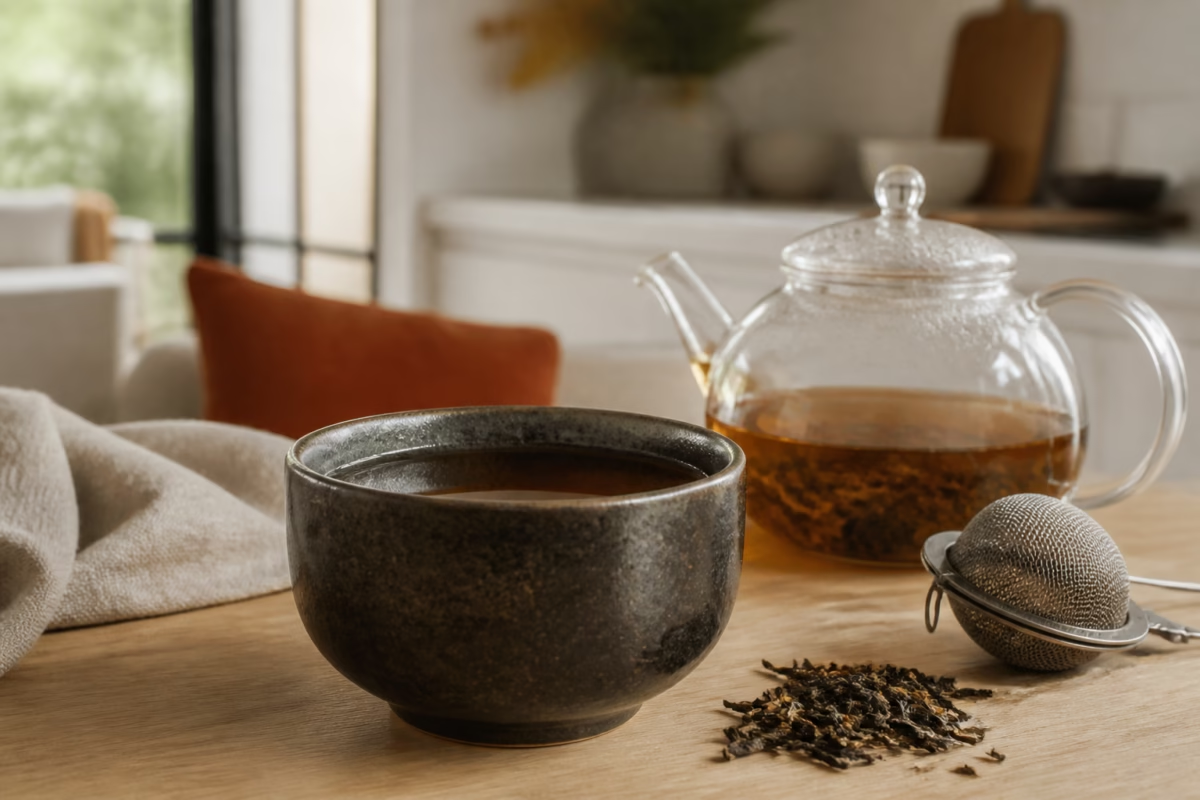
Before buying, check the listed volume and compare it with a cup you already use. If you brew loose leaf in a pot or basket infuser, the practical guide to choosing a tea cup for loose-leaf tea connects serving style, capacity, and the cup itself.
Dimensions matter too. Capacity alone does not reveal whether the cup is low and broad or high and compact. Look for diameter and height, not just ounces or milliliters.
Shape and Material Are Separate Decisions
A wide cup can be porcelain, stoneware, glass, or Jianzhan. A tall cup can be made from the same range of materials. Shape describes geometry and use; material affects weight, possible wall thickness, surface character, durability, and the kinds of glaze or finish a maker can use.
Keeping those decisions separate makes online shopping easier. Decide whether you want an open or contained profile, then consider the material and construction available in that shape. Our comparison of ceramic and porcelain tea cups covers those material terms without pretending that either one dictates a single form.
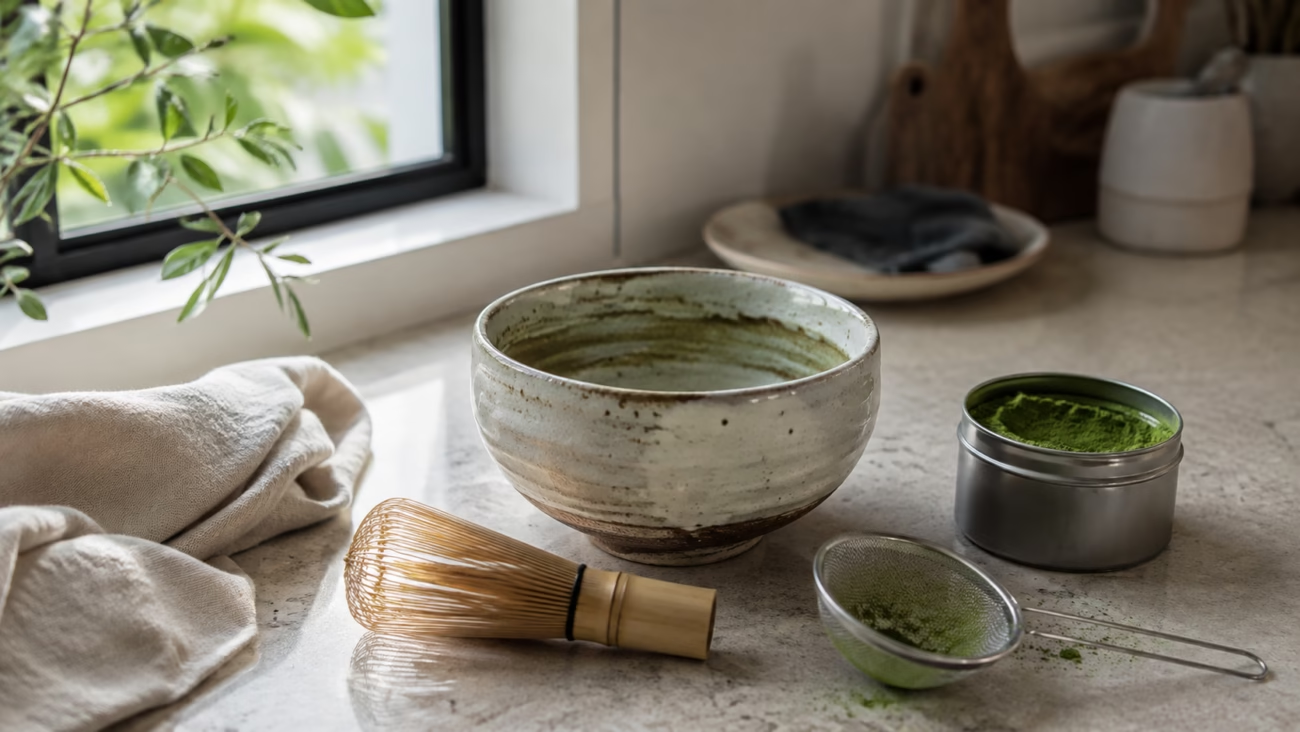
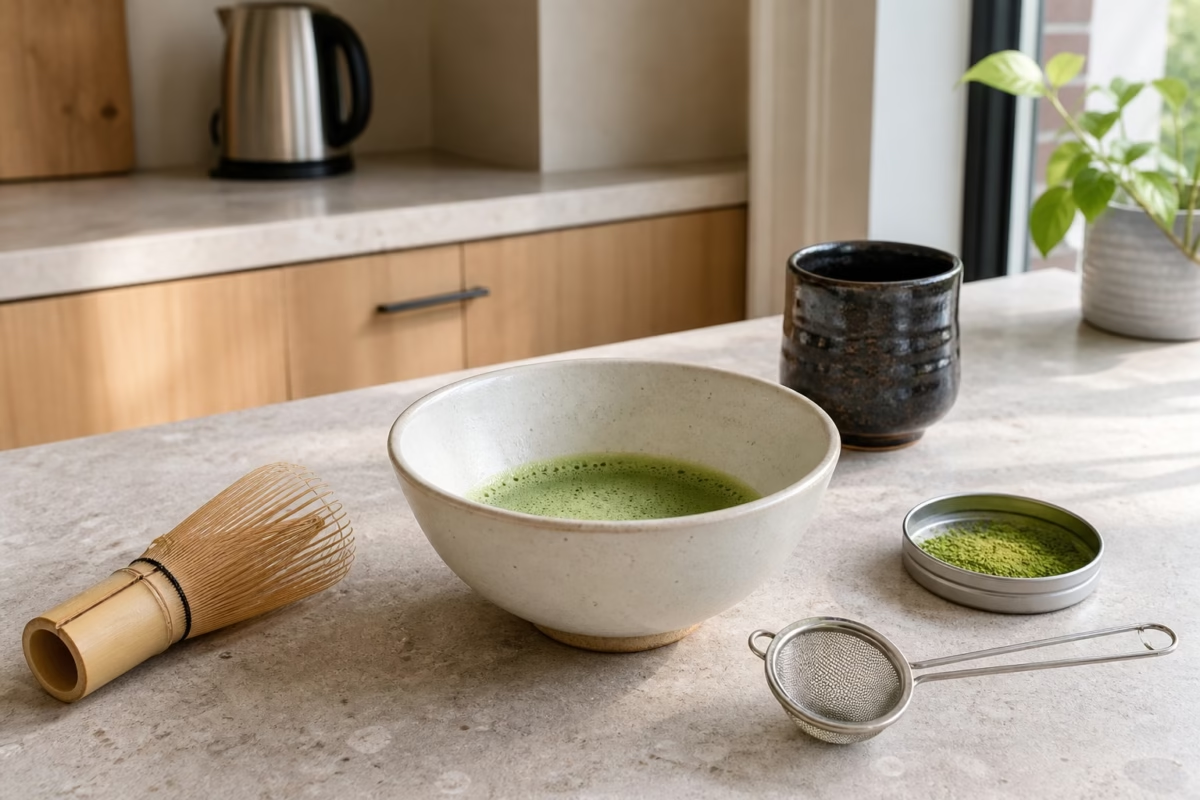
Matcha is a useful exception to casual shape shopping. A cup that looks broad in a photo is not necessarily an appropriate whisking bowl. Preparing matcha requires enough working room and suitable bowl geometry; our guide to matcha bowls and beginner tools explains that separate decision.
Shape Matters More Than People Expect—and Less Than Marketing Claims
Research supports a modest, useful position: vessels can influence sensory perception. The 2024 tea study found relationships between several cup characteristics and how participants rated the same prepared tea. The sample of 102 people and the study’s specific cups make the results interesting, but not a universal rule for every tea, person, and vessel.
Coffee research points in the same multisensory direction. One specialty-coffee study found cup shape affected aroma, taste, and liking judgments. Coffee evidence is supporting context, not direct proof about tea.
The problem begins when a reasonable perception finding becomes a promise that a particular cup “unlocks sweetness,” “concentrates flavor,” or fixes bitterness. A vessel may alter temperature, aroma access, tactile feedback, visual expectation, and pace. It cannot repair over-steeped leaves or poor water.
What Tea Cup Shape Should You Buy?
For everyday desk tea
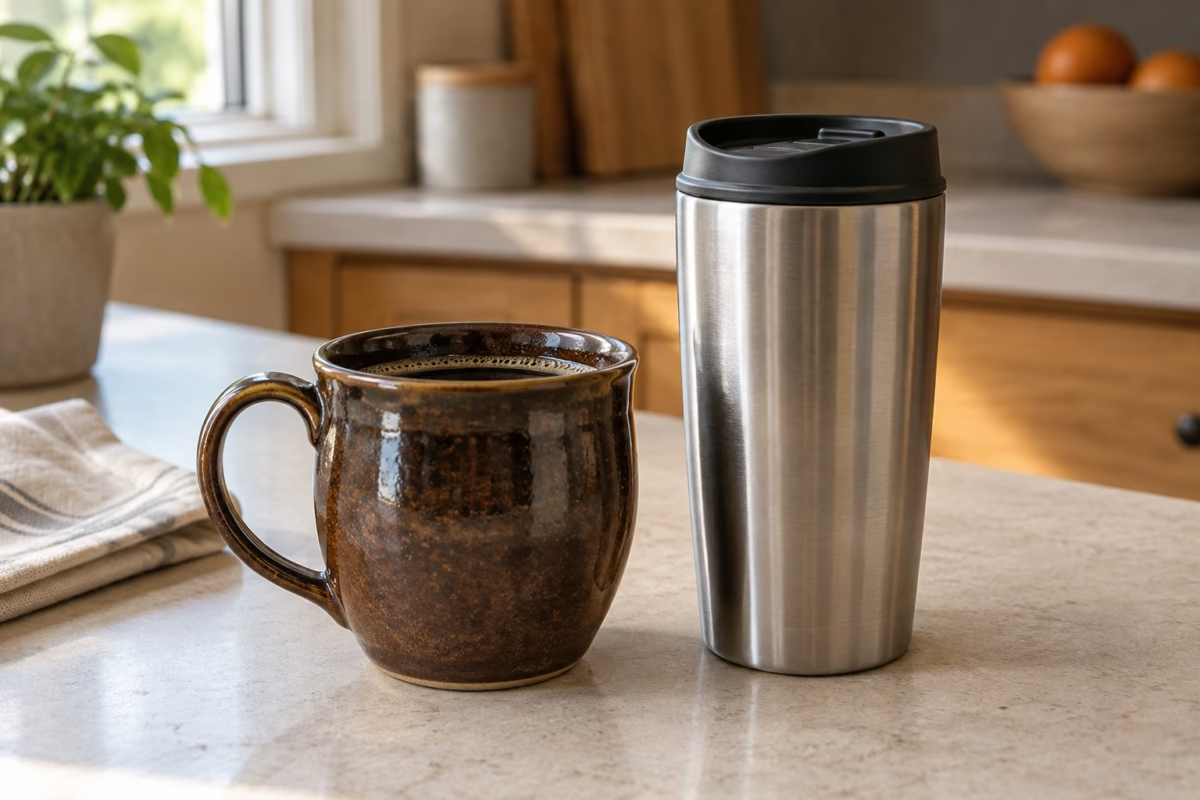
Prioritize a stable base, comfortable rim, enough capacity, and a handle if you use one. A normal mug may be the right answer. Moderate openings are easier to move than very broad bowls, and the cup should fit the way you work rather than an idealized ceremony.
For loose-leaf tea in smaller servings
A smaller handleless cup can work well if it is comfortable to hold. Choose width according to your preferred cooling pace, then check the rim and filled weight. Repeated pours make balance and comfort more important than maximum capacity.
For aroma-focused tasting
A narrower or slightly inward profile may be interesting because the opening changes the relationship between tea and nose. Treat it as an experiment in attention, not a guarantee of stronger aroma.
For people who dislike very hot tea
A wider cup may be practical because it presents more surface to the air and makes cautious sipping easier. Start with a smaller pour. No shape makes careless handling of near-boiling liquid safe.
For people who sip slowly
Consider a more contained form together with appropriate volume, wall thickness, and material. Shape alone cannot promise heat retention, so buy from product details rather than a silhouette.
Where Jianzhan Fits
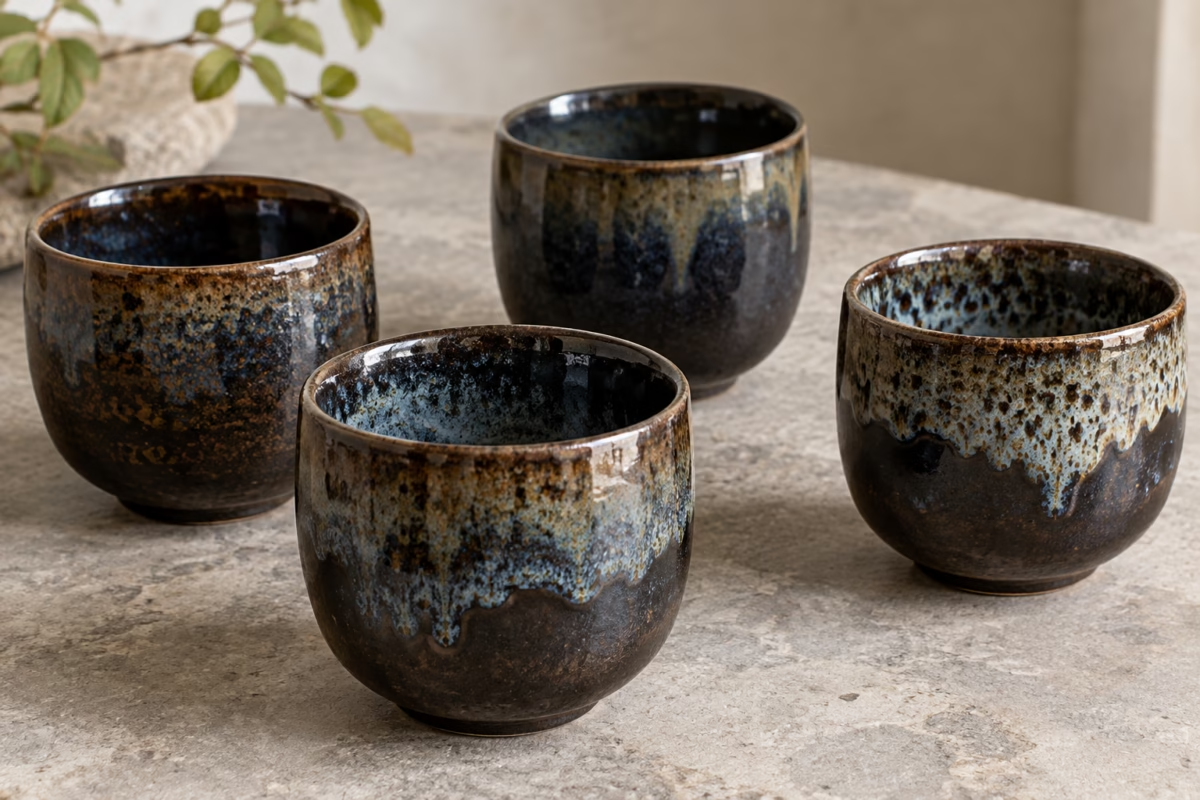
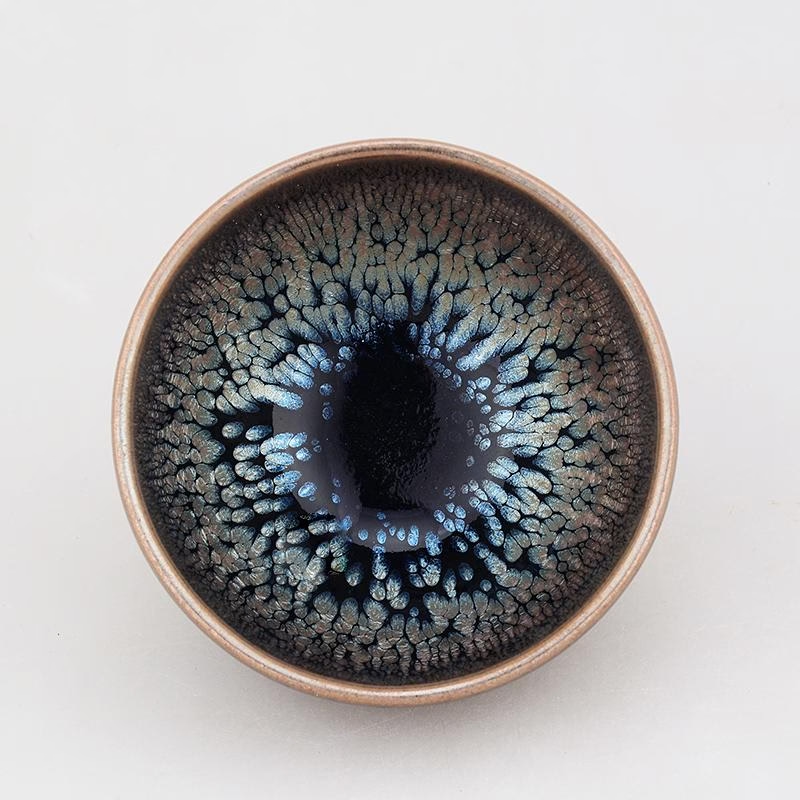
Jianzhan is a Chinese ceramic tradition associated with Jianyang, Fujian, and known for iron-rich bodies and iron-bearing dark glazes. It is not one fixed silhouette. Historical Jian bowls and contemporary Jianzhan cups appear in different widths, heights, rim profiles, and capacities.
That variation matters to an American buyer. The word Jianzhan tells you about a ceramic tradition, not whether a specific cup fits your hand or desk routine. Check the actual dimensions, capacity, rim, foot, and product photographs. Our modern guide to Jianzhan tea cups covers the material and firing context; the AEROVYNX tea cup collection lets you compare current forms directly.
Jianzhan may appeal if you enjoy smaller servings, handleless ceramics, dark glaze, tactile surfaces, and handmade variation. It may be the wrong category if you need a 16-ounce desk mug, a large handle, sealed lid, car-cup-holder fit, an extremely thin porcelain lip, or perfectly identical matching pieces.
The best tea cup shape is not a universal design hidden behind technical language. It is the profile that works with your serving size, preferred temperature, hands, and pace. Start at the rim, check the capacity, and judge the whole object—not only the glaze.