
Blog
Do You Need a Matcha Bowl? Matcha Tools Explained for Beginners

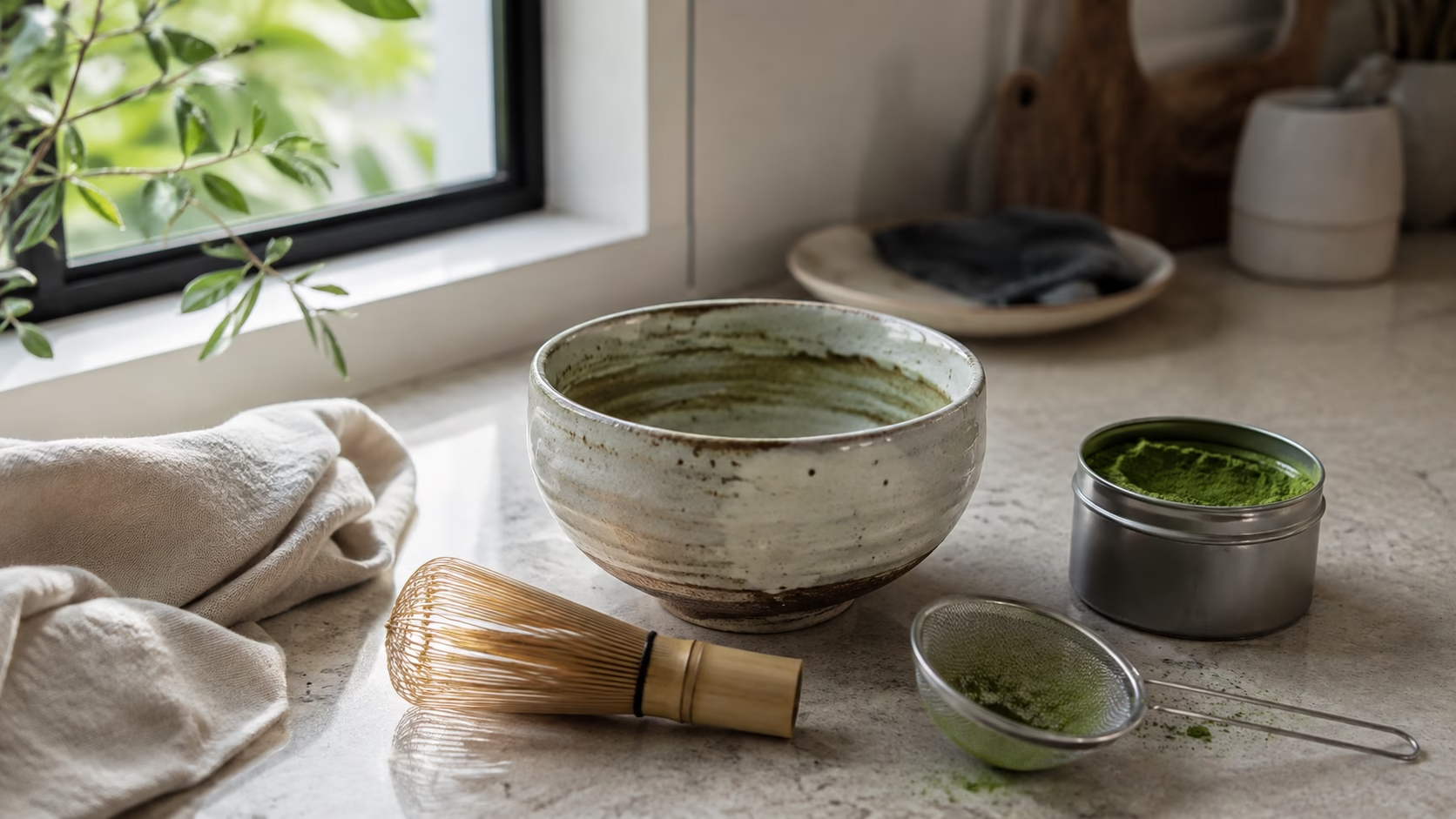
A café matcha is easy to understand: choose hot or iced, choose a milk, and wait for the green drink to arrive. Making it at home can feel strangely more complicated. One polished video later, the counter seems to require a bowl, bamboo whisk, scoop, sifter, whisk stand, scale, special kettle, and perhaps an entire shelf arranged in shades of cream and green.
Some objects solve real problems. Others are pleasant rather than necessary. The distinction gets lost when a practical drink becomes a shopping aesthetic.
So, do you need a matcha bowl? Not necessarily. A wide bowl makes whisking easier and can deepen the experience of drinking matcha with water. A regular cup may suit a fast latte far better. The useful question is not whether a setup looks complete. It is whether each tool earns its place in the routine you actually have.
Matcha Became Popular Before People Understood the Tools
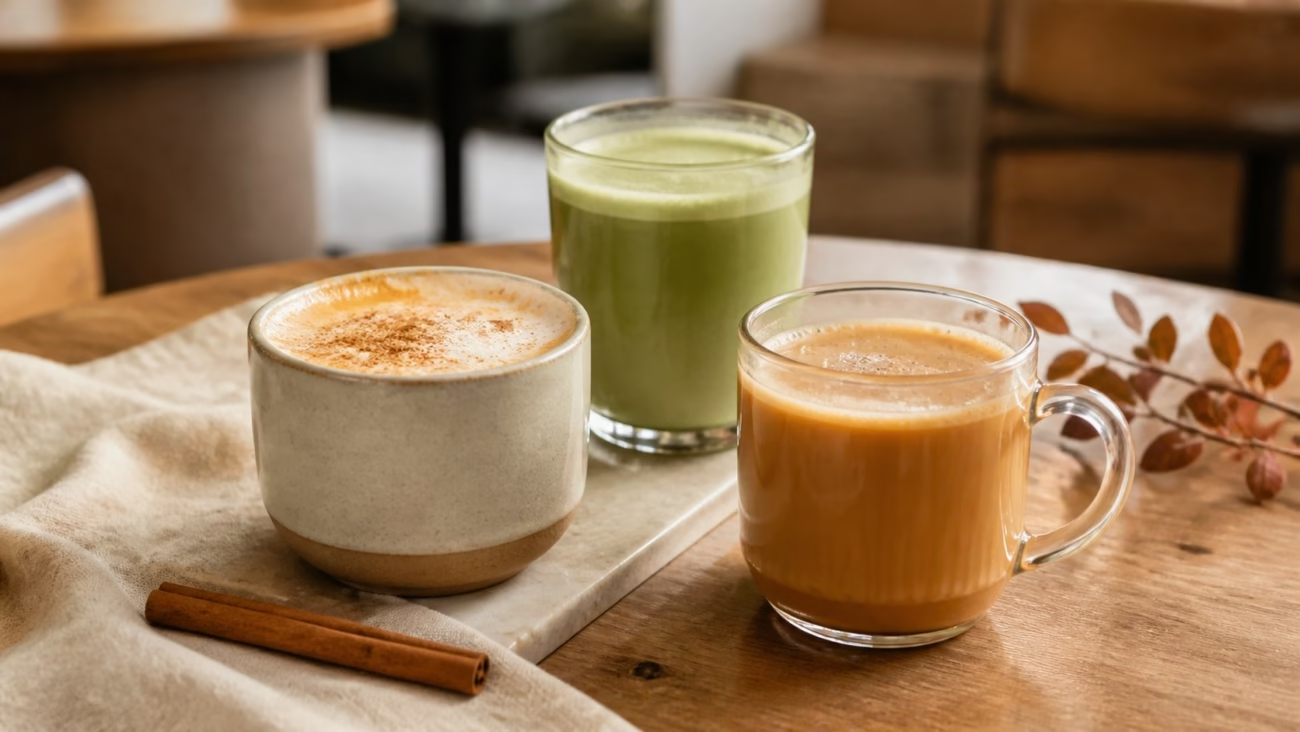
Many Americans met matcha through an iced latte, not through a tea lesson. Café menus made it familiar through oat milk, fruit, cold foam, and flavored seasonal drinks. Starbucks said in February 2026 that its year-round matcha lineup had tripled in size. The broader café landscape now treats matcha as a flexible drink base rather than one specialized order.
Retail interest has risen too. In 2025, the Associated Press cited NIQ data showing that U.S. matcha retail sales were up 86% over three years. That figure includes more than tins of powder and does not tell us how many households own a chawan. It does show that matcha is moving through more channels than the café counter.
That movement creates a second wave of curiosity. People search for “ceremonial grade,” watch whisking demonstrations, and wonder why one drink needs so many named utensils. At the same time, August 2026 reporting from BeverageDaily described traditional preparation time and tools as a barrier that convenience brands are trying to remove.
That is why no single list of “essential matcha tools” works for everyone. Popularity does not turn every latte drinker into a collector of traditional utensils.
What Is a Matcha Bowl Actually For?
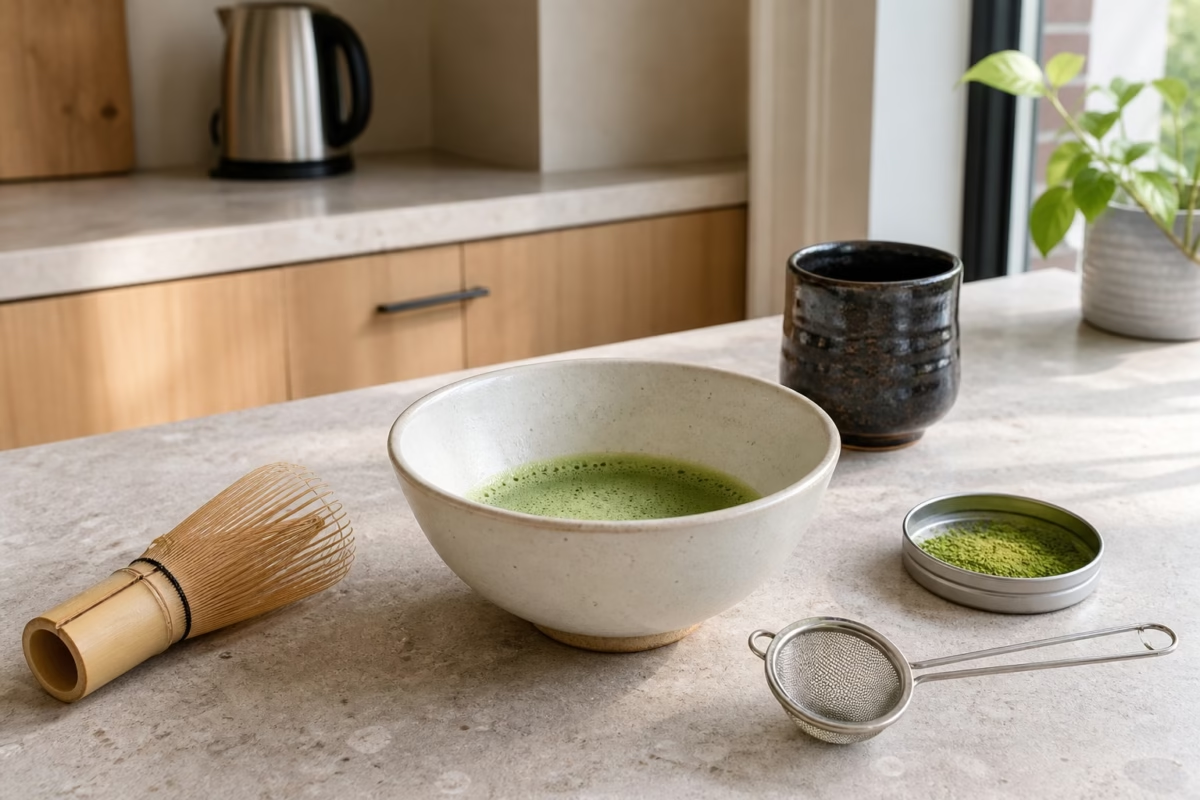
A traditional Japanese tea bowl is called a chawan. In matcha preparation, it is both the work surface and the drinking vessel. Powder and water meet in the bowl, the tea is whisked there, and the finished matcha is usually drunk from it.
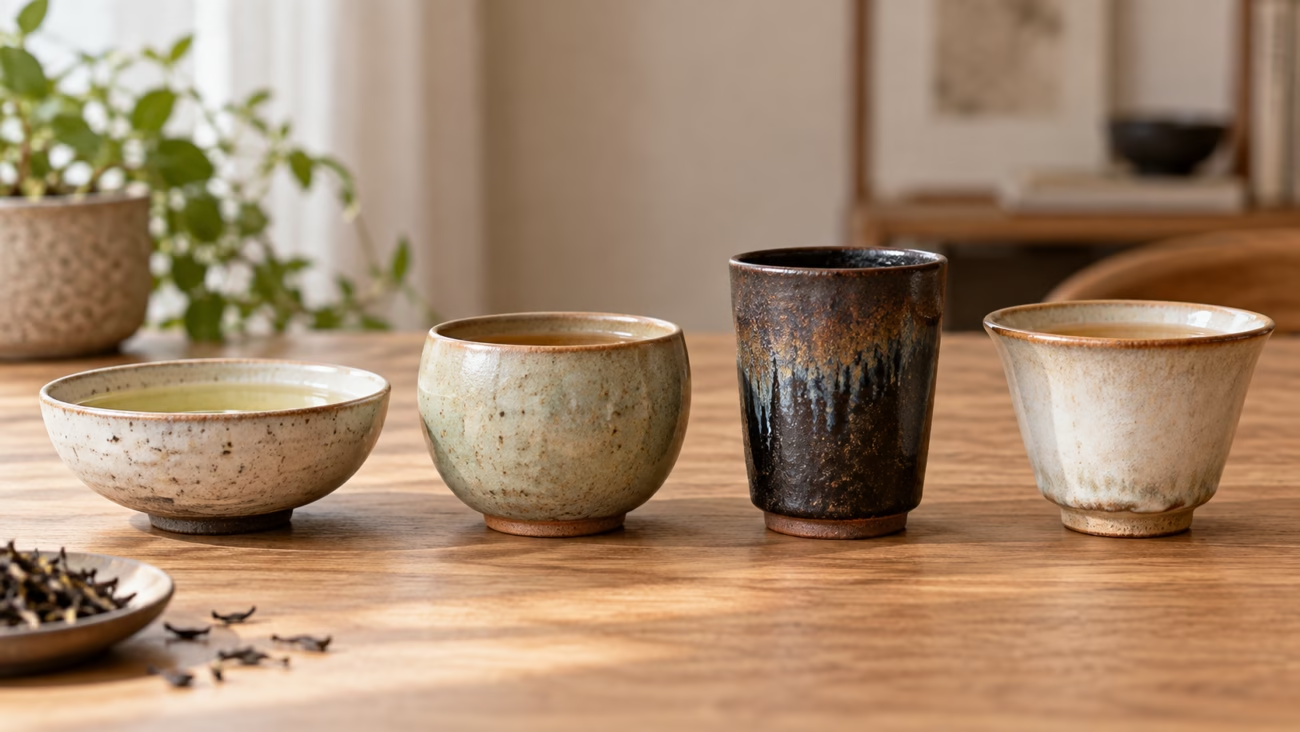
The practical advantage is geometry. A useful matcha bowl has room for the whisk to travel quickly from side to side, enough depth to contain splashes, and a stable base. An open interior also reveals dry powder near the edge. Ippodo’s guide to choosing a chawan makes the same point: shape affects how easy a bowl is to whisk in and drink from.
A bowl does not change the powder or automatically improve flavor. It gives the whisk room to work. A cereal bowl with the right width, depth, and stability can do that. A dedicated chawan becomes attractive when you want a vessel designed around the movement, or enjoy drinking directly from a handmade bowl.
The tradeoff is space. A matcha bowl is larger than a cup, usually lacks a handle, and may be awkward when you only want to mix a small concentrate for a travel tumbler. Good design is still specific to a task.
Matcha Bowl vs Regular Cup
A bowl and a cup answer different questions. The bowl asks, “Where will I prepare and drink this?” The cup asks, “How will this fit into the rest of my day?”
When a matcha bowl makes sense
Choose a wide bowl if you want to whisk matcha with water and drink it from the same vessel. It supports quick whisk movement, gives foam room to form, and makes the preparation visible. It also suits a slower routine in which washing, warming, whisking, and drinking are part of the appeal.
A bowl can also mix lattes, especially with a clean lip or small spout. For a large iced drink, though, the concentrate still has to move into another glass—satisfying on a quiet morning, unnecessary before a commute.
When a regular cup makes sense
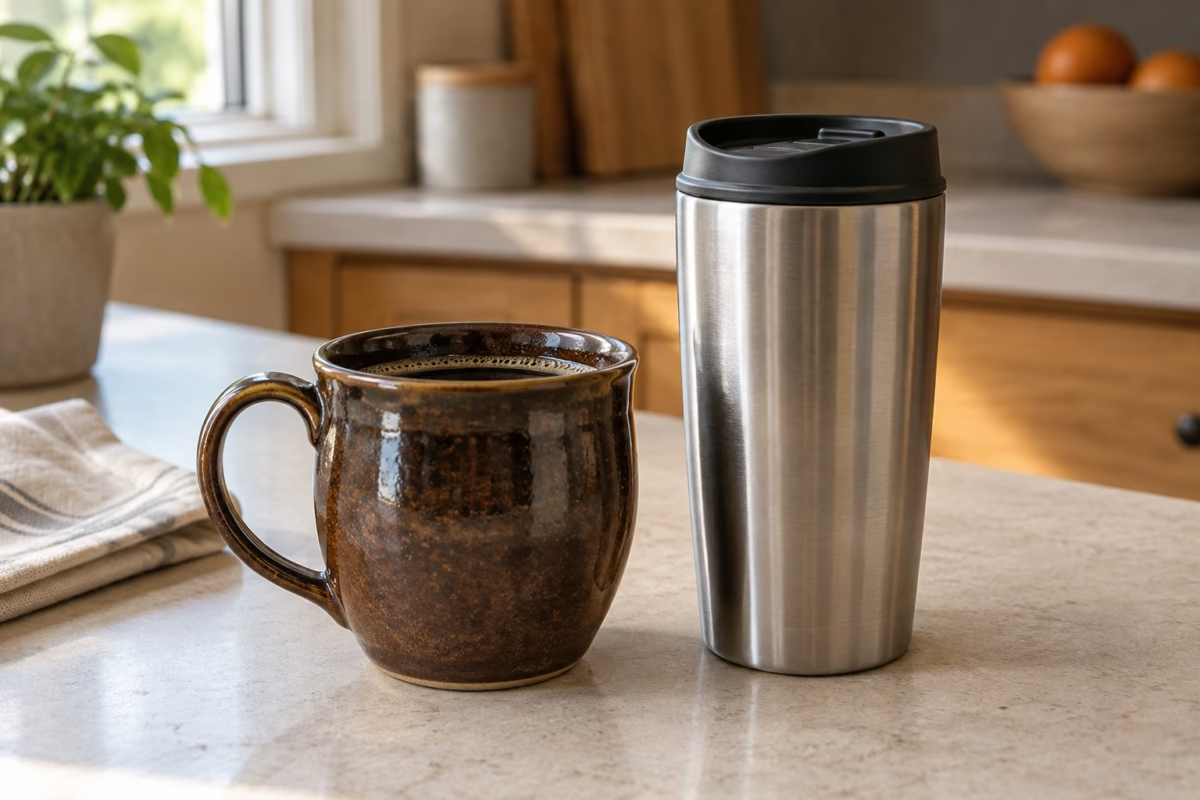
A regular cup is often the more honest choice for a desk, car, or quick breakfast. A handled mug protects fingers around a hot latte. A tall glass holds ice and milk. A lidded tumbler travels. If you prepare the matcha in a jar, shaker, or separate mixing bowl, the serving cup does not need enough room for a chasen.
Whisking inside a narrow mug is the weak compromise. The whisk cannot move freely, its tines strike the walls, and dry powder is harder to reach. Use a cup because it serves the finished drink well, not because every cup is a good mixing bowl.
Neither choice is more serious or more authentic as a personal routine. A bowl favors preparation; a cup favors portability and familiar use. Some people will reasonably use both.
The Matcha Tools That Actually Matter
Bamboo whisk: the traditional tool with the clearest job
The bamboo whisk, or chasen, is probably the first traditional tool worth considering. Its many fine, flexible tines disperse powder through a small amount of water and can create a layer of fine bubbles. A kitchen whisk is too large for the volume, while a spoon tends to push clumps around rather than break them apart.
A chasen matters most when texture is part of the finished drink—especially matcha prepared with water. It is less decisive in a sweet iced latte that will be diluted with milk and possibly syrup. A handheld frother, sealed jar, or small blender can make a workable latte concentrate, although each produces a different texture and bubble size.
You do not need an expensive whisk to learn whether you like using one. Treat bamboo as a tool: soften the tines briefly in warm water, rinse afterward, and let it dry completely. A stand can help preserve its shape, but ventilation matters more than a color-matched holder.
Sifter: useful whenever clumps keep winning
Matcha powder gathers into small clumps during storage. Pressing it through a fine, clean sifter before adding water reduces the amount of work required to disperse it. The Japanese tea producer Marukyu Koyamaen’s home preparation guidance recommends sifting but also names ordinary measuring spoons and other tea bowls as practical alternatives to specialized pieces.
A dedicated sifter is convenient for frequent use. A clean fine kitchen strainer can be enough. For an occasional latte, making a smooth paste with a little water may also work. The sifter is a problem-solver, not an entry ticket.
Scoop: graceful measurement, optional precision
The curved bamboo scoop is called a chashaku. It transfers powder neatly and belongs to the traditional vocabulary of Japanese tea preparation. It can be pleasing to use, but it is not a standardized measuring instrument in the way a digital scale is. Scoop sizes and the shape of each portion vary.
A teaspoon works for getting started. A small scale is better when you want repeatability or are comparing powders. The chashaku becomes meaningful when you value its handling and cultural context, not because metal or ordinary spoons make the tea invalid.
Do You Need a Complete Matcha Starter Kit?
Usually, no. A kit is convenient when its bowl is well shaped, its whisk is usable, and you would buy the pieces separately. Bundling does not guarantee quality. A photogenic bowl can hide a weak whisk and accessories whose main job is filling the box.
Before buying, ask how often you expect to make matcha and what you normally order. Someone experimenting with one iced latte each weekend needs less equipment than someone preparing straight matcha every morning. The smallest sensible starting setup is powder, a reliable way to mix it, and a vessel suited to the finished drink. For many beginners, that means matcha, a chasen, and a wide bowl or cup already in the kitchen.
Buy a kit when it removes research and the components match your routine. Skip it when you are paying for completeness you cannot explain. Our earlier Matcha at Home guide covers the preparation choices in more detail; this decision can stay focused on what deserves counter space.
Matcha Latte and Traditional Matcha Are Different Experiences
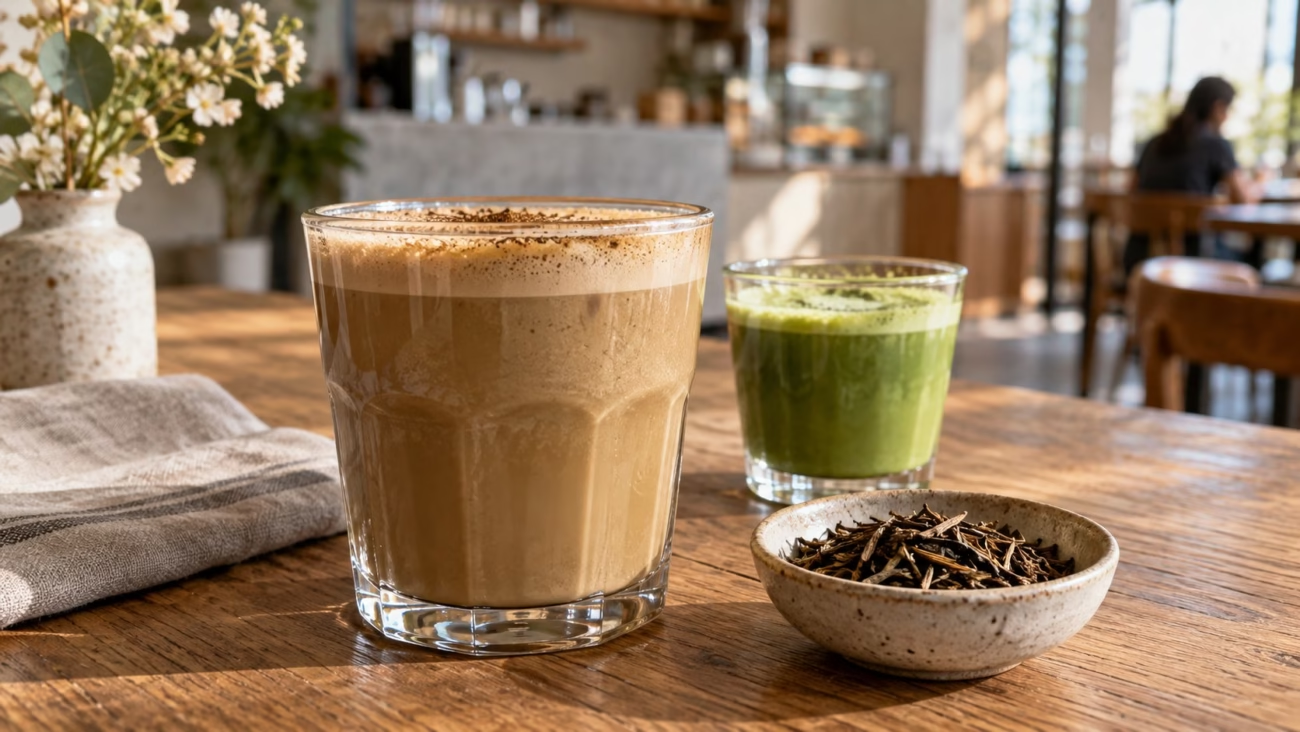
American café matcha commonly arrives iced, milky, sweetened, or flavored. That is not “fake matcha.” It is a contemporary café drink built around matcha, and it asks the ingredient to remain noticeable beside other flavors. As the recent fall tea drinks menu showed, matcha can carry seasonal cream, fruit, and spice while keeping a recognizable identity.
Matcha prepared with water puts more attention on the powder, water, temperature, whisking, and texture. The serving is smaller, and flaws are harder to hide. A bowl and chasen therefore have a clearer practical role. The quieter format may also make the vessel more noticeable because there is no straw, lid, or large volume of milk between the drinker and the ceramic.
The mistake is buying for one experience while drinking the other. A beautiful chawan will not make a travel latte convenient. A sealed shaker will not reproduce whisking and drinking from a bowl. Name the experience before choosing the equipment.
Where a Handmade Ceramic Cup Fits
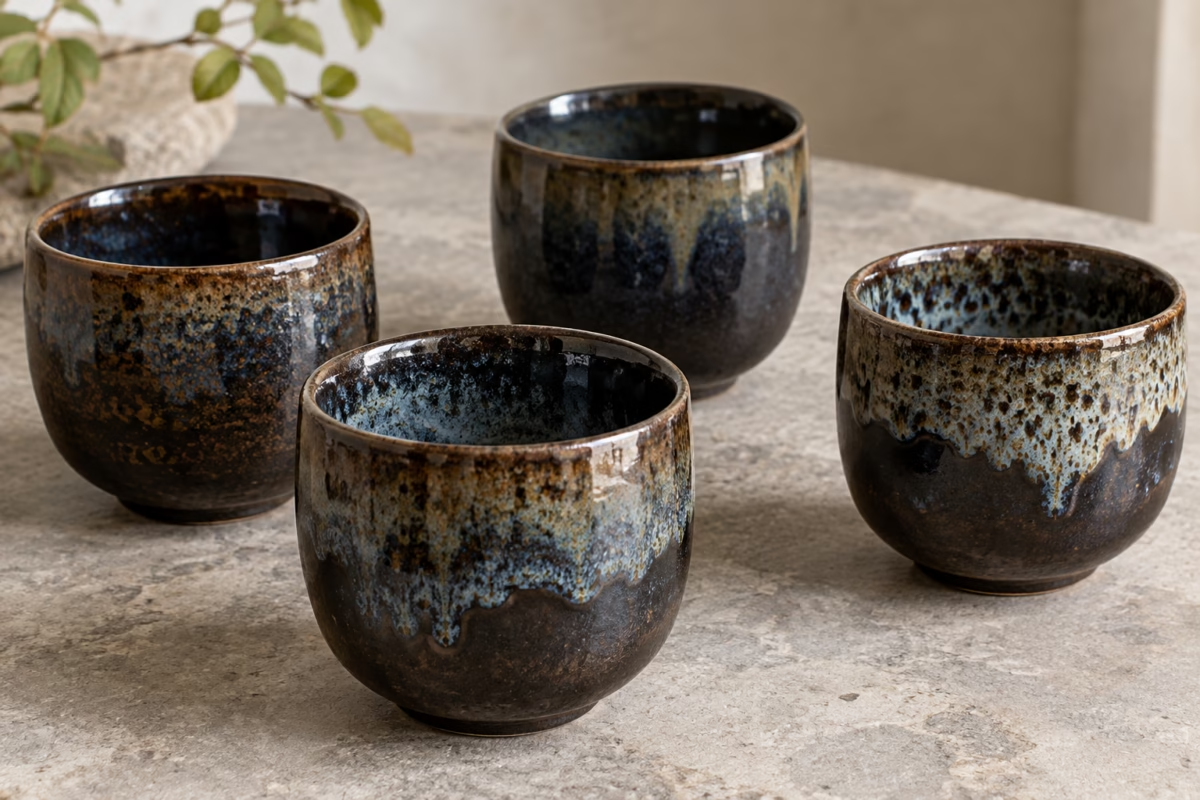
After a routine becomes regular, the serving vessel can matter for reasons that are hard to show in a checklist. A handmade cup has weight, glaze variation, rim shape, and small irregularities that remain noticeable in the hand. Those features do not improve matcha chemically. They can make an ordinary pause feel more personal.
The useful test is simple: do you reach for the cup? An expensive shelf piece contributes less to a daily ritual than an ordinary mug used five mornings a week. A handmade vessel earns its place when its volume, grip, care, and texture suit you.
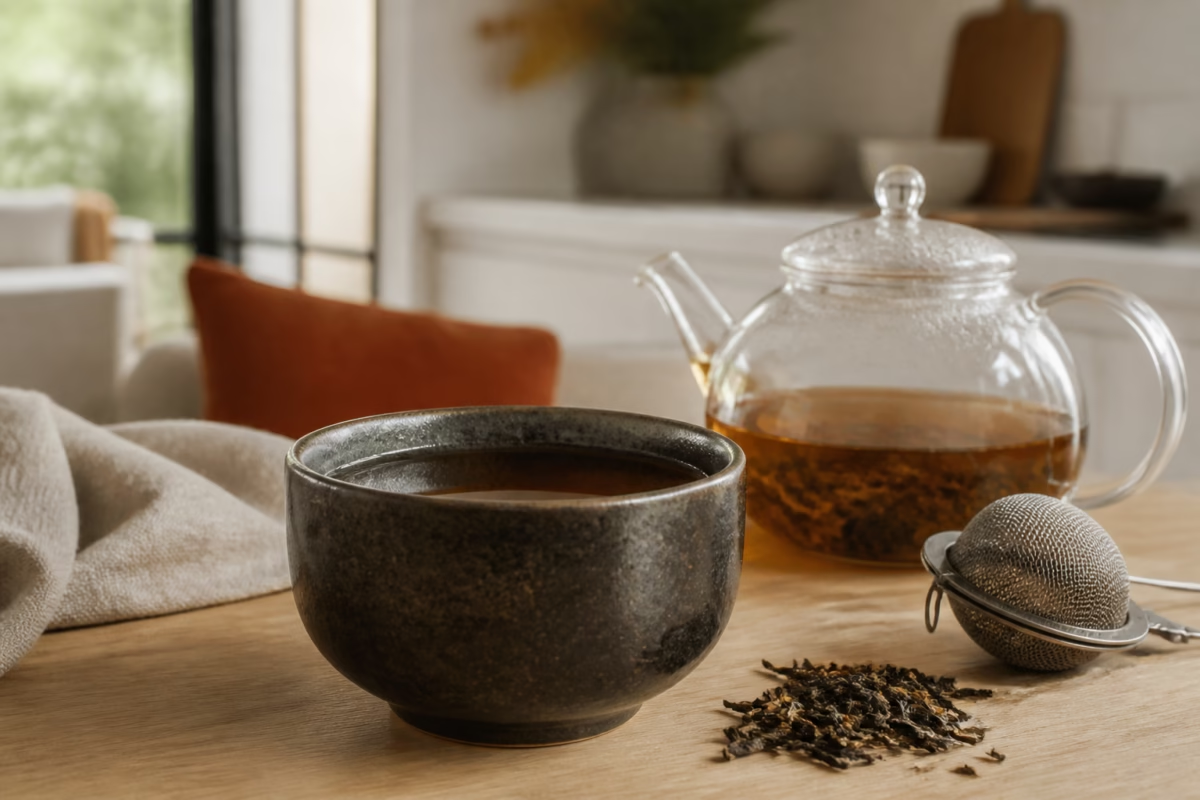
Readers choosing a serving vessel can use the same practical questions covered in our guide to a tea cup for loose-leaf tea: capacity, rim, heat, handling, and everyday care matter before a style name does. The tea method is different, but the buying discipline is similar.
Matcha Bowl vs Jianzhan Tea Cup
A Japanese matcha bowl and a Chinese Jianzhan cup should not be folded into one vague idea of “Asian teaware.” They come from different cultural histories and are usually designed around different scales of preparation.
The chawan belongs to Japanese matcha preparation and gives a chasen room to move. Jianzhan is Jian ware rooted in Jianyang, Fujian, and associated with powdered tea in China’s Song dynasty. Jian bowls later became admired in Japan, but that connection does not make every modern Jianzhan cup a matcha bowl.
Most contemporary Jianzhan tea cups are smaller than a whisking bowl. They can be striking serving vessels—the bright green of matcha against a dark iron-bearing glaze creates vivid contrast—but a narrow cup does not provide the same working space. Prepare matcha in a suitable bowl, then pour a smaller serving into the cup if that is the experience you want.
Our modern guide to Jianzhan tea cups explains the Chinese ceramic tradition on its own terms. The respectful comparison is functional: one vessel may support whisking, another may support drinking and visual appreciation. Neither needs to impersonate the other.
What Should a Beginner Actually Buy?
If you make a matcha latte every morning
Prioritize matcha that holds up to milk, a mixing method you can repeat, and a cup or tumbler that fits the serving. A handheld frother or shaker may be sufficient. Add a fine sifter if clumps remain a daily annoyance. Buy a chasen and bowl when you become curious about more control or start drinking matcha with water—not because a styled counter says you are late.
If you prepare straight matcha occasionally
A chasen offers the most instructive upgrade. Pair it with a wide, stable bowl; that bowl can be a dedicated chawan or suitable ceramic you already own. A sifter is inexpensive and useful. Measure with a teaspoon first, then add a scale or chashaku if consistency or the traditional handling appeals to you.
If tea and matcha are becoming a long-term hobby
This is when specialized and handmade objects can become meaningful. You can notice bowl geometry, whisk condition, cup size, glaze, and how much cleanup you tolerate. Buy slowly: choose tools for understood functions and ceramics you want to live with.
A beautiful setup is optional. Enjoying one is not frivolous; confusing beauty with necessity is the problem. Some matcha tools genuinely improve dispersion and whisking. Some protect another tool. Some mainly improve the appearance of the counter. All can have value, but they do not have equal jobs.
The best matcha setup is the one you will actually use. Start with the drink, observe where the routine feels awkward, and add the object that solves that specific problem. If nothing feels missing, your setup may already be complete.